


Azerbaijan Travel Blog
A modern online magazine about traveling in Azerbaijan that combines inspiration with practical advice. We write about attractions, cities and regions, national cuisine, history, culture, traditions and holidays, as well as the country's nature: lakes, mountains and national parks. In one place you will find useful tips for tourists, routes and interesting stories that will help you plan your trip and get to know Azerbaijan better.
Lahij Azerbaijan — A Journey Into Centuries-Old Crafts and Mountain Heritage 2025
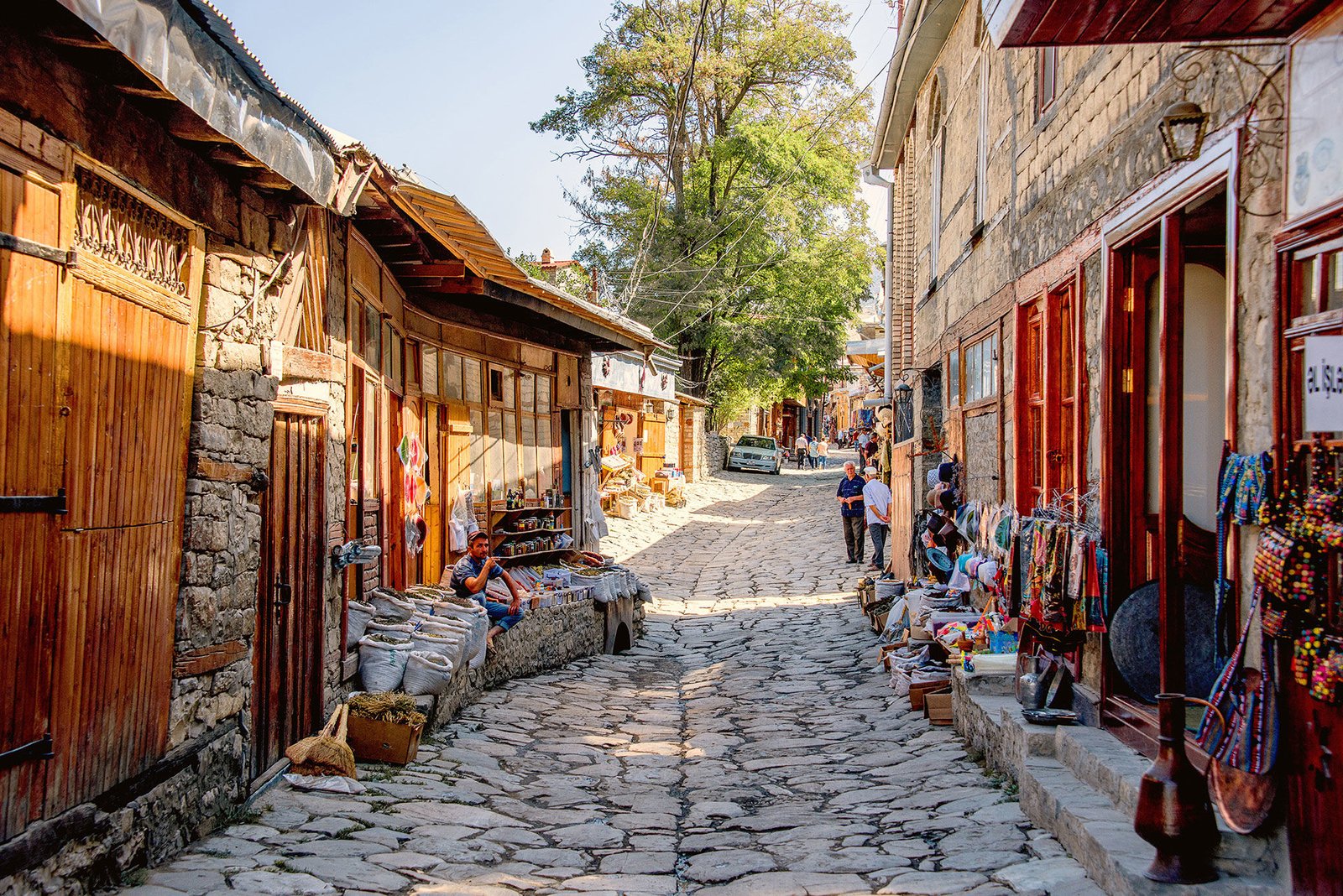
Lahij is one of those places where time seems to slow down on purpose. This ancient mountain village, hidden on the slopes of the Greater Caucasus, welcomes visitors with its stone-paved streets, shining copperware, and the warm scent of wood drifting from the workshops of local craftsmen. Everything here reminds you that craftsmanship is not a profession but a legacy passed down from father to so...
Women’s Rights in Azerbaijan: Education, Freedom, and the 1918 Breakthrough
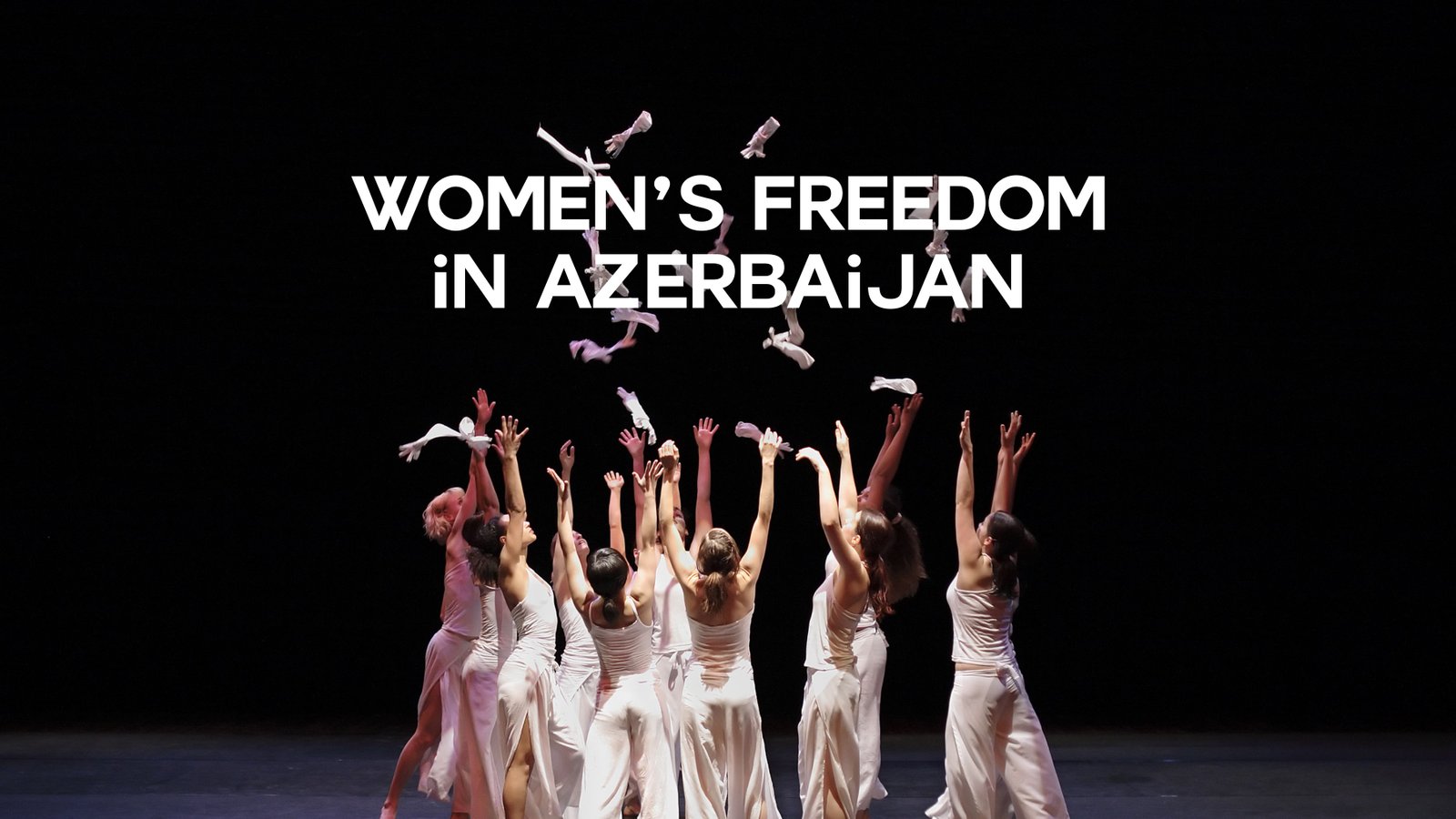
The history of women’s freedom in Azerbaijan is a story of early reforms, bold enlighteners, and a society that, at the beginning of the 20th century, made a leap decades ahead of neighboring regions. Today, Azerbaijan is often regarded as one of the most progressive countries in the Muslim East in terms of women’s rights, and this status was preceded by a long path—from the first schools for girl...
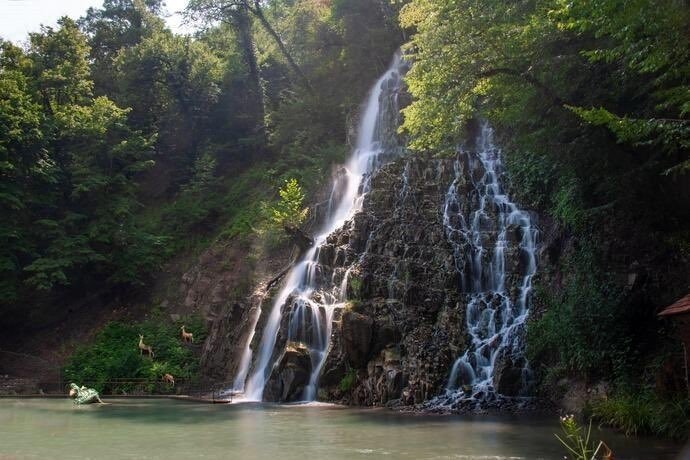
Seven Beauties Waterfall in Gabala — History, Legend & a Visitor-Friendly Route
In the vicinity of Gabala, not far from the village of Vandam, lies one of the region’s most famous natural attractions — the Seven Beauties Waterfall. It received its name thanks to its cascading structure: water descends along the mountainside in several tiers, and each of them forms a separate mini-waterfall. The lower cascades are accessible without any climb, while the upper ones can be reach...


Azerbaijani Sweets — Traditions, Flavors, and the History of National Desserts
Azerbaijani cuisine is just as famous for its sweets as it is for its meat dishes, fragrant pilaf, and dolma. Here, at the crossroads of ancient caravan routes where merchants from Persia, India, the Ottoman Empire, and Shirvan once met, a remarkable confectionery tradition was born — one in which every sweet is not just a dessert, but a small story connected to craftsmanship, holidays, ancient te...
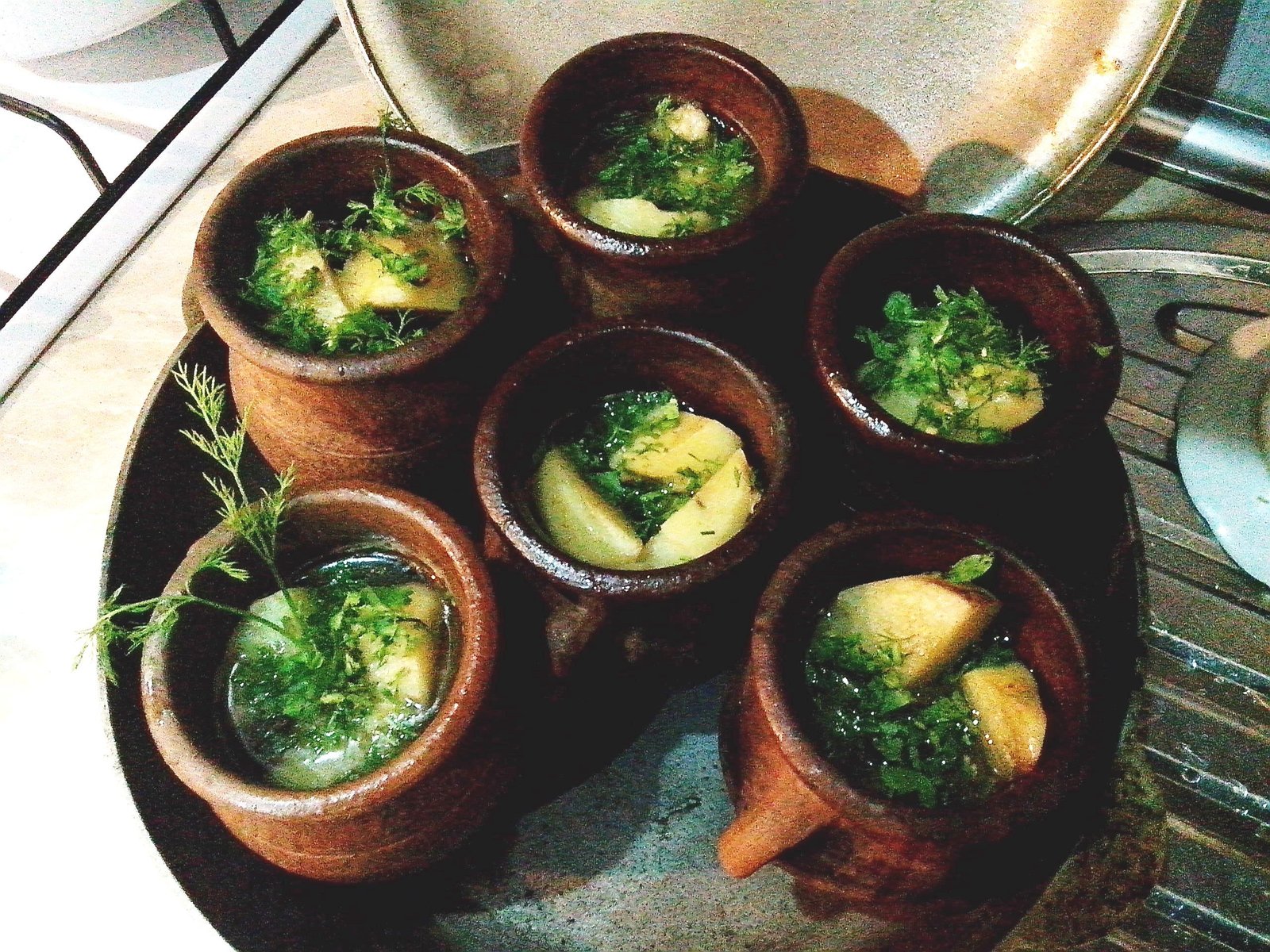
Piti in Azerbaijan: History, Tradition, Flavor, and Where to Try the Authentic Dish
Piti — the soul of Azerbaijani cuisinePiti is one of the dishes that best reflects the spirit of Azerbaijani cuisine. It is prepared in small clay pots where lamb, chickpeas, potatoes, onions, spices, and saffron slowly simmer for hours, revealing a deep and rich flavor. The dish is served in the very pot it was cooked in, creating a warm, homely atmosphere and a sense of connection to centuries-o...
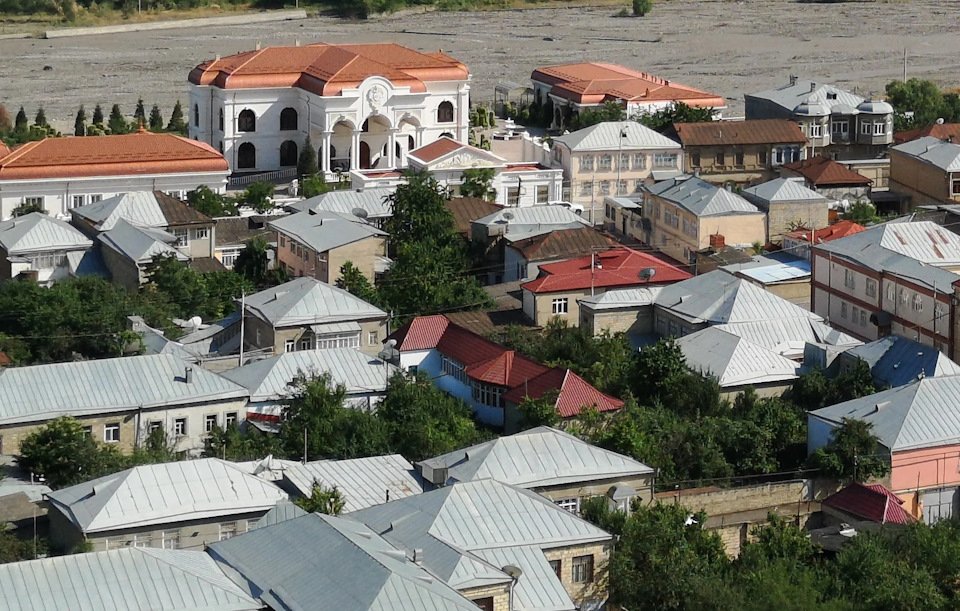
Red Settlement — The Little Jerusalem of the Caucasus
Nestled in the picturesque valleys of northern Azerbaijan, just a few kilometers from the city of Quba, lies a truly remarkable place — Red Settlement (Qırmızı Qəsəbə). It is known as the only all-Jewish town outside of Israel, home to the ancient community of Mountain Jews. This small but vibrant settlement stands as a living symbol of Azerbaijan’s long-standing tolerance, diversity, and cultural...
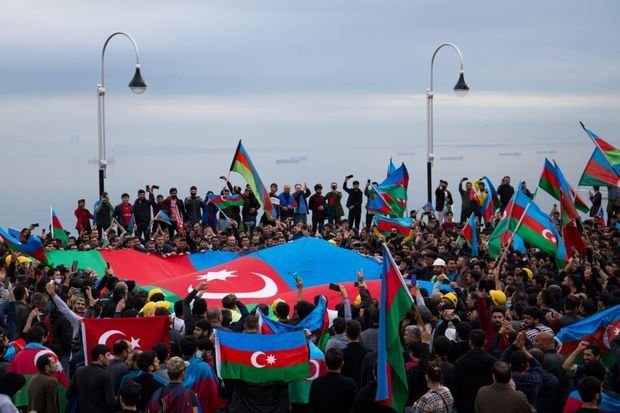
November 9 — State Flag Day in Azerbaijan: A Symbol of Honor, Independence, and Pride 2025
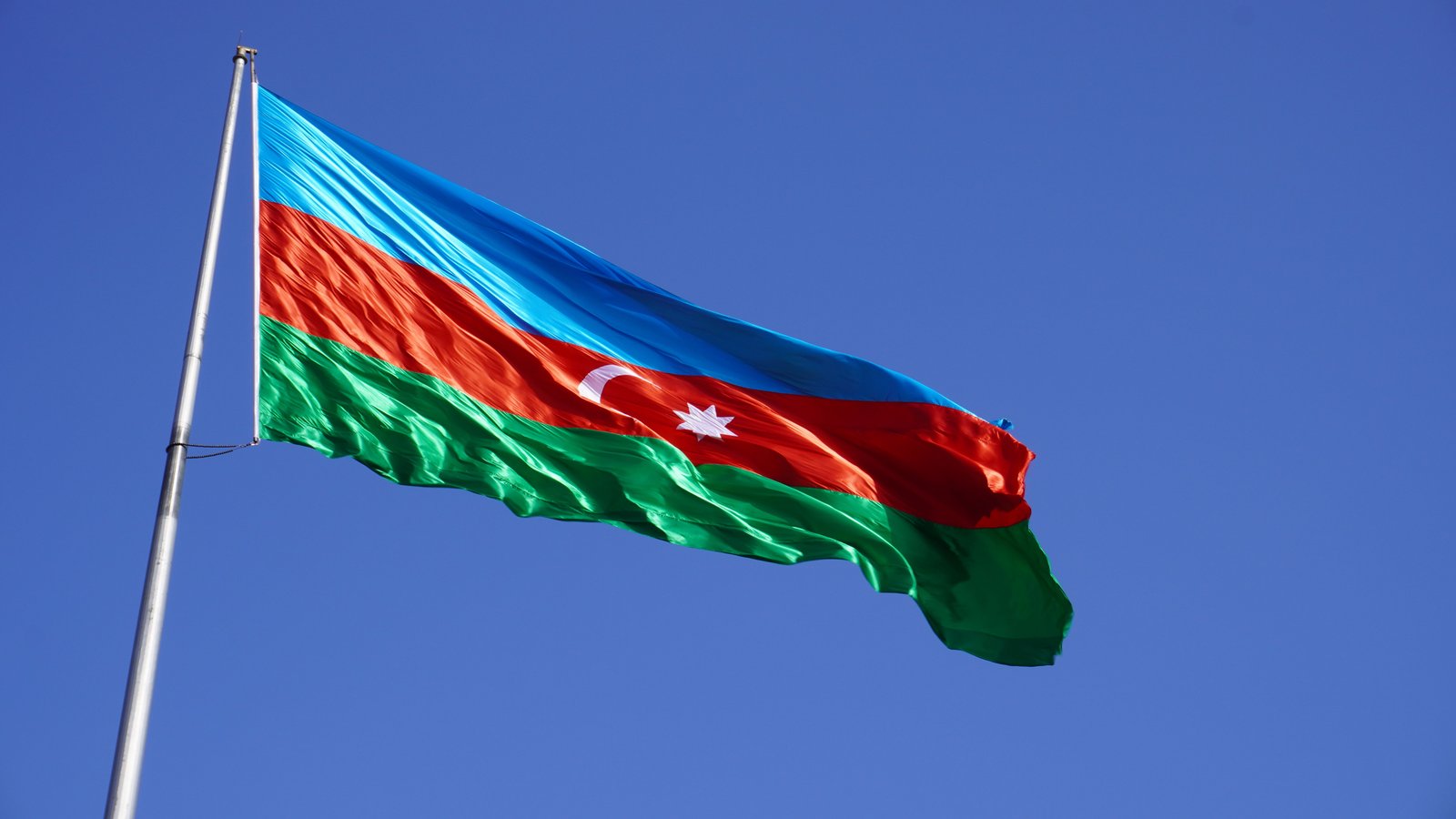
Every nation has symbols that reflect its identity, spirit, and destiny. For Azerbaijan, one of the most sacred among them is its State Flag, which proudly waves over the land where history and progress meet.Every year, on November 9, Azerbaijan celebrates State Flag Day — a day that honors not only the national colors but also the nation’s enduring journey toward independence and dignity.The Birt...
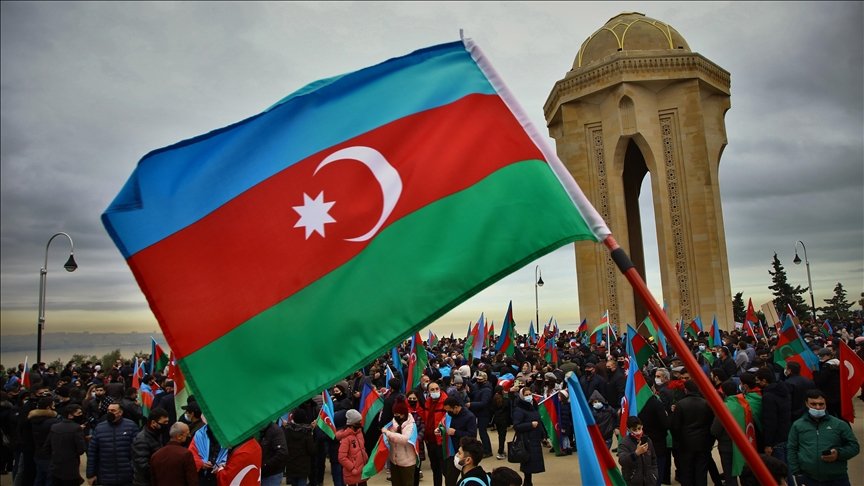
November 8 — Victory Day in Azerbaijan: A Symbol of Pride, Unity, and Rebirth
November 8 marks one of the most significant days in modern Azerbaijani history — Victory Day, celebrated in honor of the liberation of Shusha in 2020. It represents not only a military triumph but the restoration of historical justice, national unity, and the unbreakable spirit of the Azerbaijani people.Historical BackgroundFor decades, the Karabakh conflict remained an open wound in the hearts o...

Beshbarmag Mountain — The Frozen Hand of Legends
Along the Caspian coast of northern Azerbaijan stands one of the country’s most mystical landmarks — Beshbarmag Mountain, whose name means “Five Fingers.” Its peaks rise like a massive stone hand reaching toward the heavens, as if frozen in a timeless gesture. This is not just a mountain — it is a place where the earth speaks in the language of legends.For centuries, Beshbarmag has guided traveler...


War Trophies Park in Baku — A Living Monument to Courage and Memory
On the southern edge of Baku, along Khojaly Avenue, stands one of the most symbolic and meaningful places in modern Azerbaijan — the War Trophies Park. Opened on April 12, 2021, the park became a monument to victory, resilience, and national unity, embodying both the pain and the pride of a nation that lived through the Second Karabakh War.From Idea to SymbolThe idea of creating the park emerged s...
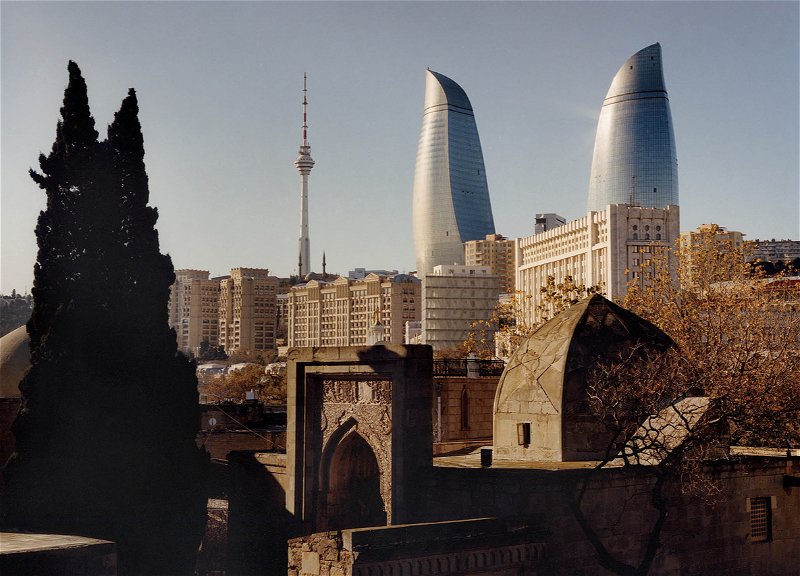
Architecture of Baku — A Journey Through Time and Innovation
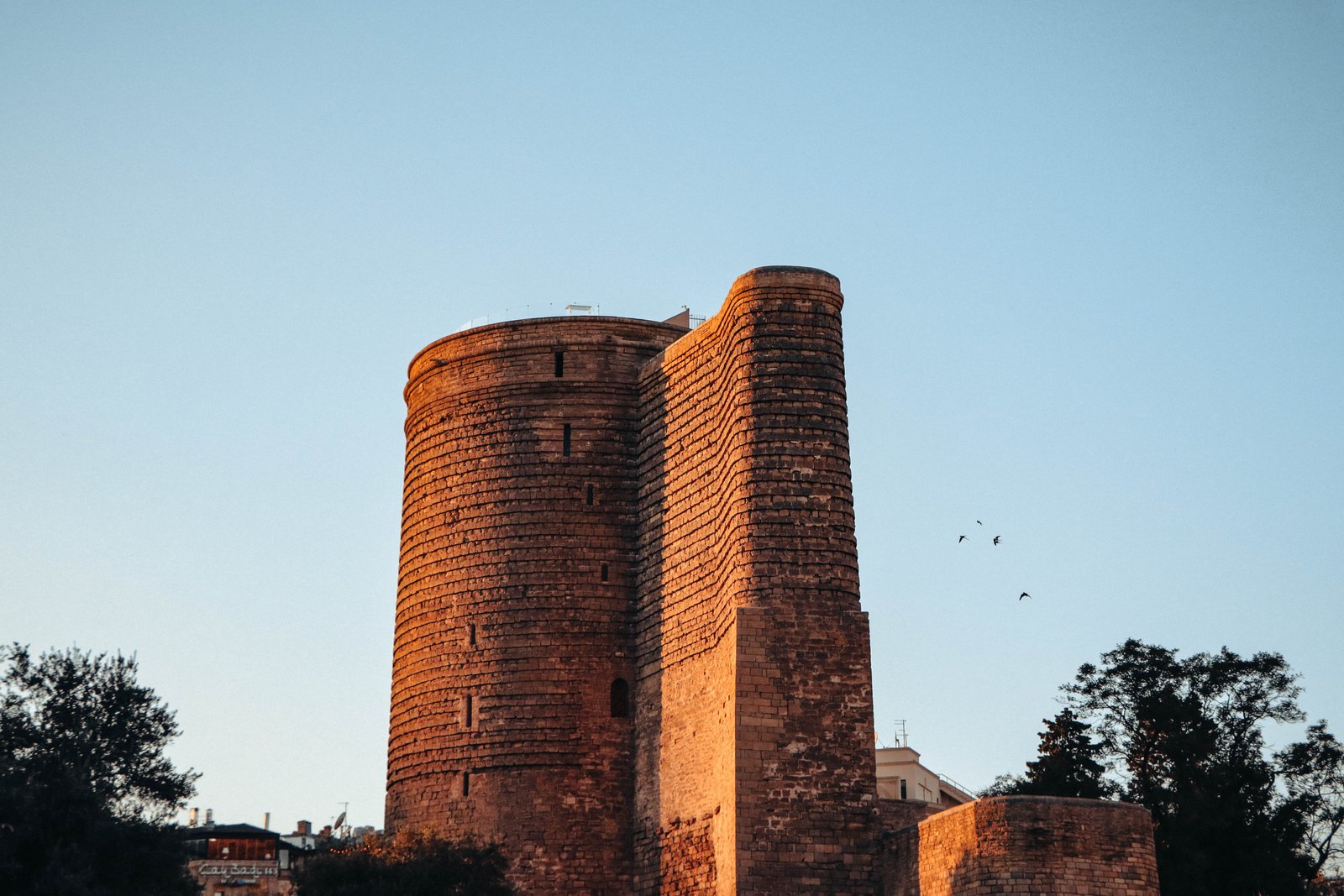
The architecture of Baku is more than just buildings — it is a chronicle of changing eras, cultures, and ideas, captured in stone and glass. Here, East meets West, antiquity stands beside futurism, and tradition coexists with innovation. Every street in the Azerbaijani capital is like a page of history written in marble, sandstone, and glass.Baku cannot be understood at first glance. The city seem...

Sheki Khan’s Palace — The Jewel of the Caucasus
Nestled in a lush valley at the foot of the Caucasus Mountains lies the ancient town of Sheki — one of Azerbaijan’s most picturesque and historically rich destinations. Among its cobbled streets and shady plane trees stands a masterpiece of oriental art — the Palace of the Sheki Khans. More than just an architectural monument, it is a living testament to the country’s history, craftsmanship, and r...

Azerbaijani Breakfast — A Taste of Culture and Tradition
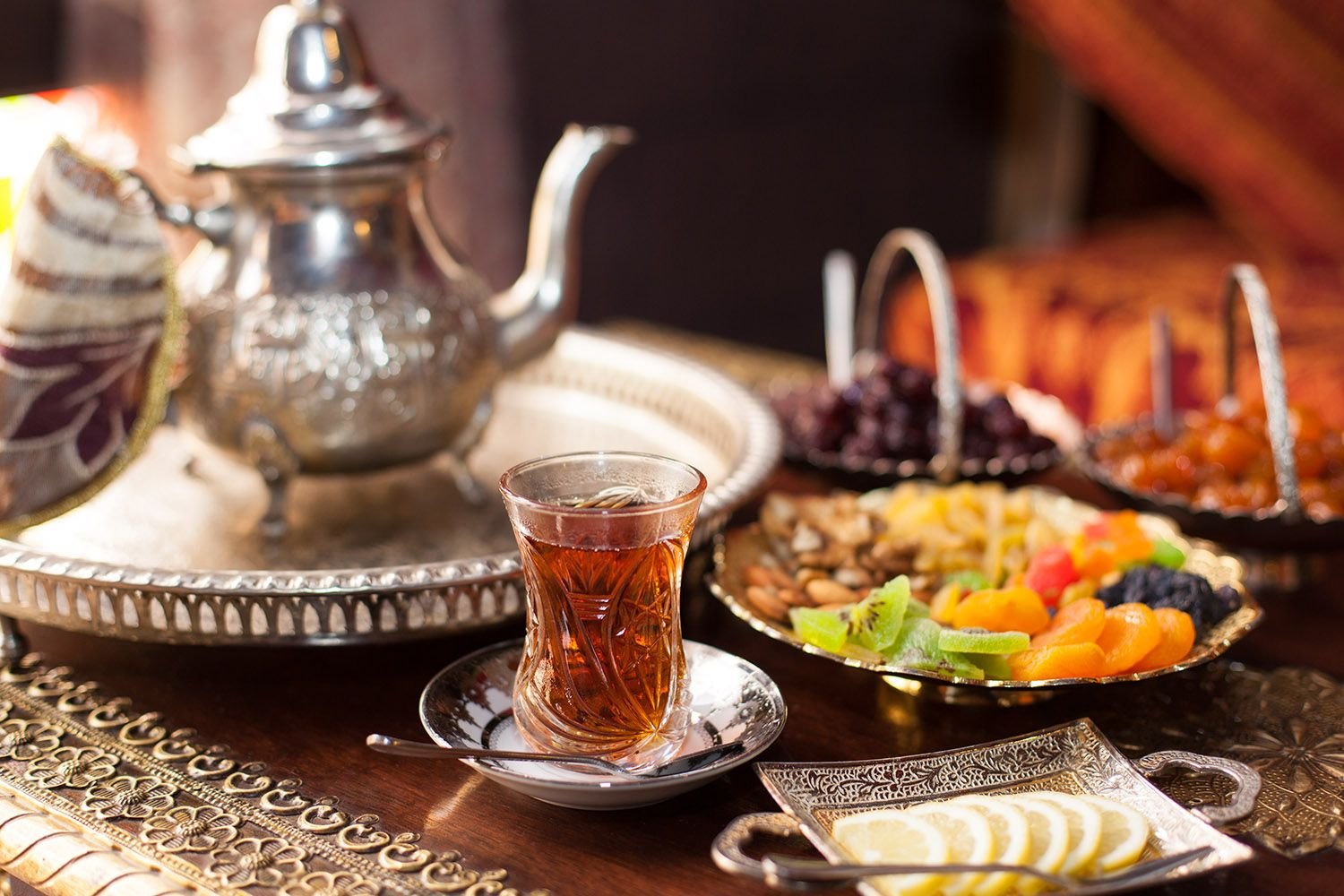
When you visit Azerbaijan, one of the best ways to understand the soul of this country is through its food — and the day begins with breakfast.An Azerbaijani breakfast is not just a morning meal. It’s a ritual of hospitality, a reflection of the land’s abundance, and a warm invitation to experience the country’s culture right at the table.The Meaning Behind the MorningFor Azerbaijanis, breakfast i...

Legends of Azerbaijan — Timeless Tales of Love, Honor, and Flame
Azerbaijan is a land where antiquity meets eternity.Here, flames have burned for millennia, the wind whispers ancient stories, and the mountains keep the memory of generations. Every corner of the country — from the steppes of Gobustan to the shores of the Caspian Sea — is steeped in legends woven from love and loyalty, wisdom and sorrow, honor and destiny.The legends of Azerbaijan are not mere ta...

The Mud Volcanoes of Azerbaijan — Where the Earth Breathes
Azerbaijan is often called the Land of Fire — known for its eternal flames and burning gas seeps. Yet, beyond the fiery hills of Yanar Dag lies another wonder that makes this land truly unique: the mud volcanoes.Here, across the Absheron Peninsula, the Gobustan plateau, and the shores of the Caspian Sea, the very earth seems alive. It bubbles, murmurs, exhales warm gases, and throws up cool gray m...

Yanar Dag — The Eternal Flame of Azerbaijan
On the slopes of a dusty hill near the village of Mammadli, just outside Baku, fire has been burning for as long as anyone can remember. It flickers not from torches or lamps, but from the earth itself — a living breath of flame rising from the heart of Azerbaijan.This is Yanar Dag, “the Burning Mountain,” one of the country’s most mysterious and mesmerizing natural wonders — and a living symbol o...

The Great Silk Road in Azerbaijan: A Path That United Civilizations
Centuries ago, caravans of camels crossed the dusty roads of Asia, carrying not only silk and spices but also dreams of discovery, connection, and prosperity. The Great Silk Road was far more than a trade route — it was a cultural phenomenon that bound together East and West, shaping the destinies of entire civilizations. And few places embody its spirit as vividly as Azerbaijan.A Crossroads of Ci...

Azerbaijani Carpets: Symbols That Convey Eternity
Azerbaijani carpets are far more than household items or decorative pieces. They are woven chronicles of history, culture, and emotion — a language of symbols and colors through which generations have expressed their worldview. Each pattern on an Azerbaijani carpet tells a story without words, one that reflects the very soul of the nation.The art of carpet weaving in Azerbaijan dates back thousand...