Azerbaijan is known not only for its beautiful mountains, old cities, and rich cuisine, but also for its wide range of natural products. Azerbaijani honey has a special place among them. It is a delicious natural product that brings together the country’s natural wealth, long beekeeping traditions, and the hospitality of local people. Its taste and smell depend on where the bees live, which plants grow near the beehives, and what time of year the honey is collected.
Discovering this natural product is a way to learn more about another part of Azerbaijani culture. Every jar of honey can tell a story about mountain pastures, flowering gardens, forest clearings, and the work of beekeepers who carefully protect their traditions.
The Natural Variety of Azerbaijani Honey
Azerbaijan has many different natural areas. There are high mountain meadows, forests, fertile valleys, foothills, and places with a dry subtropical climate. Because of this variety, bees collect nectar from different plants in different parts of the country. As a result, the honey has different tastes, smells, and colours.
Mountain honey is especially interesting because it comes from many wild herbs and flowers. Its smell may have floral, herbal, and slightly spicy notes. The colour can range from light gold to a deeper amber shade, depending on the plants from which the bees collect nectar.
In forest areas, honey may have a stronger and deeper smell. In places with gardens and many flowering plants, you can find honey with a softer floral taste. However, the taste and colour depend not only on the region but also on the season, the type of nectar, and the conditions of each beehive location.
Natural honey may become solid over time. This is a normal process and does not mean that the product has lost its quality. How quickly honey becomes solid depends on the types of natural sugars it contains and other features of the honey.
Where Is Honey Produced in Azerbaijan?
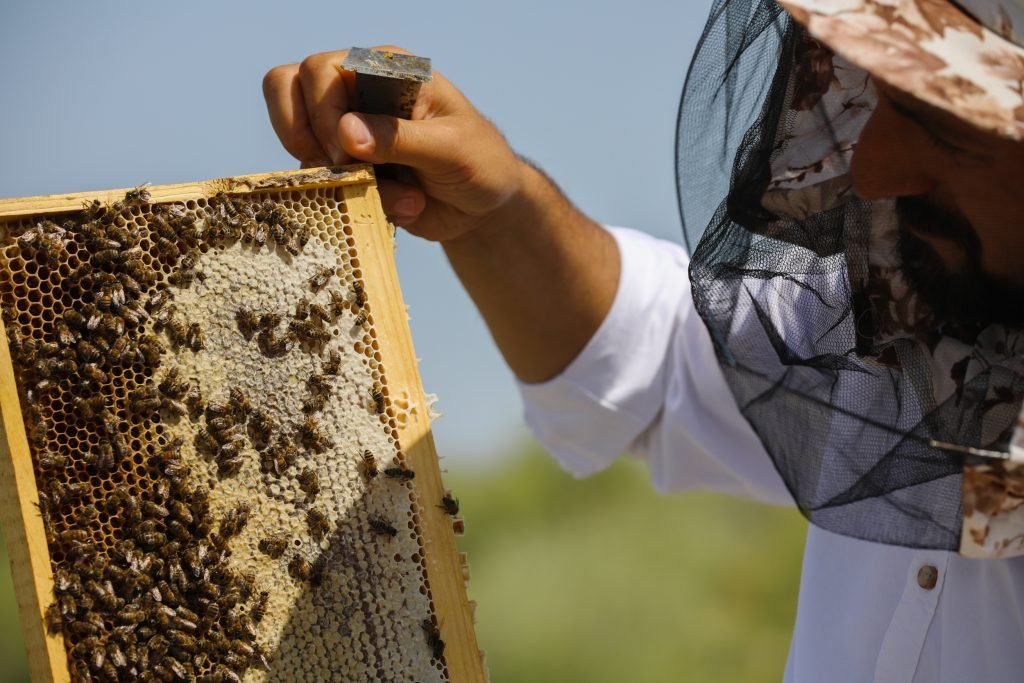
Beekeeping is common in many parts of the country. However, mountain and foothill areas are especially interesting because their natural conditions are good for honey-producing plants. Honey in Azerbaijan is closely connected with local nature and village traditions. Knowledge about flowering seasons, caring for bees, and collecting honey passes from experienced beekeepers to younger generations.
Guba and Gusar: Honey Among Mountain Landscapes
Northern Azerbaijan is known for its green valleys, mountain roads, forests, and traditional villages. The areas around Guba and Gusar offer a chance to discover the natural environment that plays an important role in local beekeeping.
In spring and summer, many slopes and open areas become covered with flowering plants. These plants provide food for bees during the season. Honey from this part of the country is interesting because it reflects the local plants and the time of collection.
The northern regions offer natural attractions and a look at everyday life in rural communities. If arrangements are made with local producers in advance, it may also be possible to visit a beehive location and taste different types of honey.
Gakh, Zagatala, and Balakan: Forests, Foothills, and Beekeeping Traditions
Northwestern Azerbaijan is known for its rich plant life, forests, and beautiful foothills of the Greater Caucasus Mountains. The regions of Gakh, Zagatala, and Balakan have a wide variety of natural landscapes, which create good conditions for beekeeping.
Here, it is interesting to learn how the flowering season affects beekeepers’ work and why honey from different beehives can have different tastes, even within the same region. The plants, weather conditions, and honey collection methods all affect the final product.
These places are not only a chance to taste local products but also a way to learn more about rural Azerbaijani culture. Honey often becomes part of the home table: it is served with tea, fresh bread, and traditional pastries.
Sheki and Mountain Villages: The Taste of Local Traditions
Sheki is known for its architecture, traditional crafts, historic buildings, and national cuisine. However, the food experiences in this region are not limited to its famous sweets. You can also discover local products, including honey, which is often enjoyed during traditional tea time.
In the mountain areas around Sheki, the landscape changes from valleys to forest-covered slopes. This variety of plants affects the seasonal opportunities for beekeeping.
Honey is especially enjoyable when served with local bread, nuts, or tea. This simple treat becomes a small food tradition that helps you feel the atmosphere of the region and experience its hospitality.
Azerbaijani Honey in National Culture
In Azerbaijan, tea is an important part of social life. It is offered to guests, served during family gatherings, and enjoyed with different sweets. Honey is a natural part of this tradition. It can be served with jam, dried fruit, nuts, and pastries.
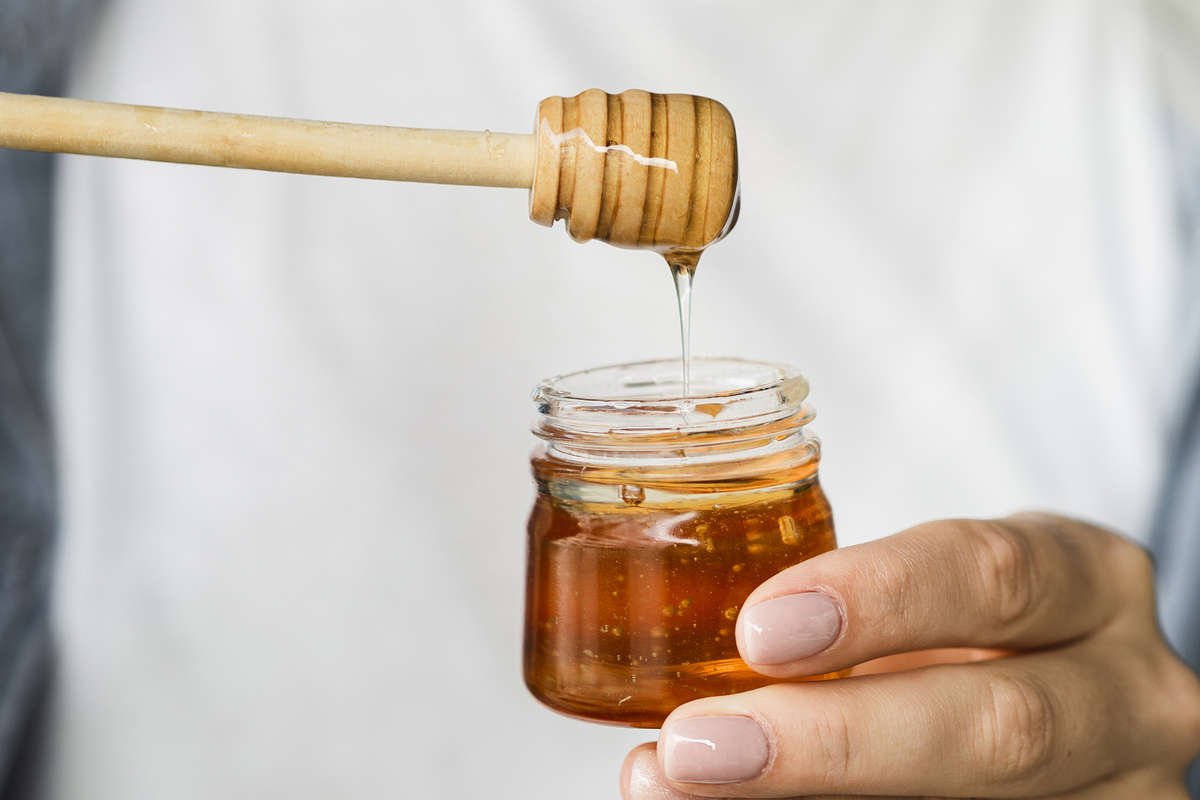
Unlike sugar, which is usually used to make drinks or food sweeter, honey is also enjoyed as a separate treat. Its smell and taste make it suitable for different dishes, not only tea.
Honey is also used in home cooking. It can be added to some desserts, sauces, and marinades. Sometimes, it is served on its own to enjoy its natural taste. However, it is important to remember that honey contains a lot of sugar, even though it is a natural product. It should not be eaten in unlimited amounts. Honey must not be given to children under one year old.
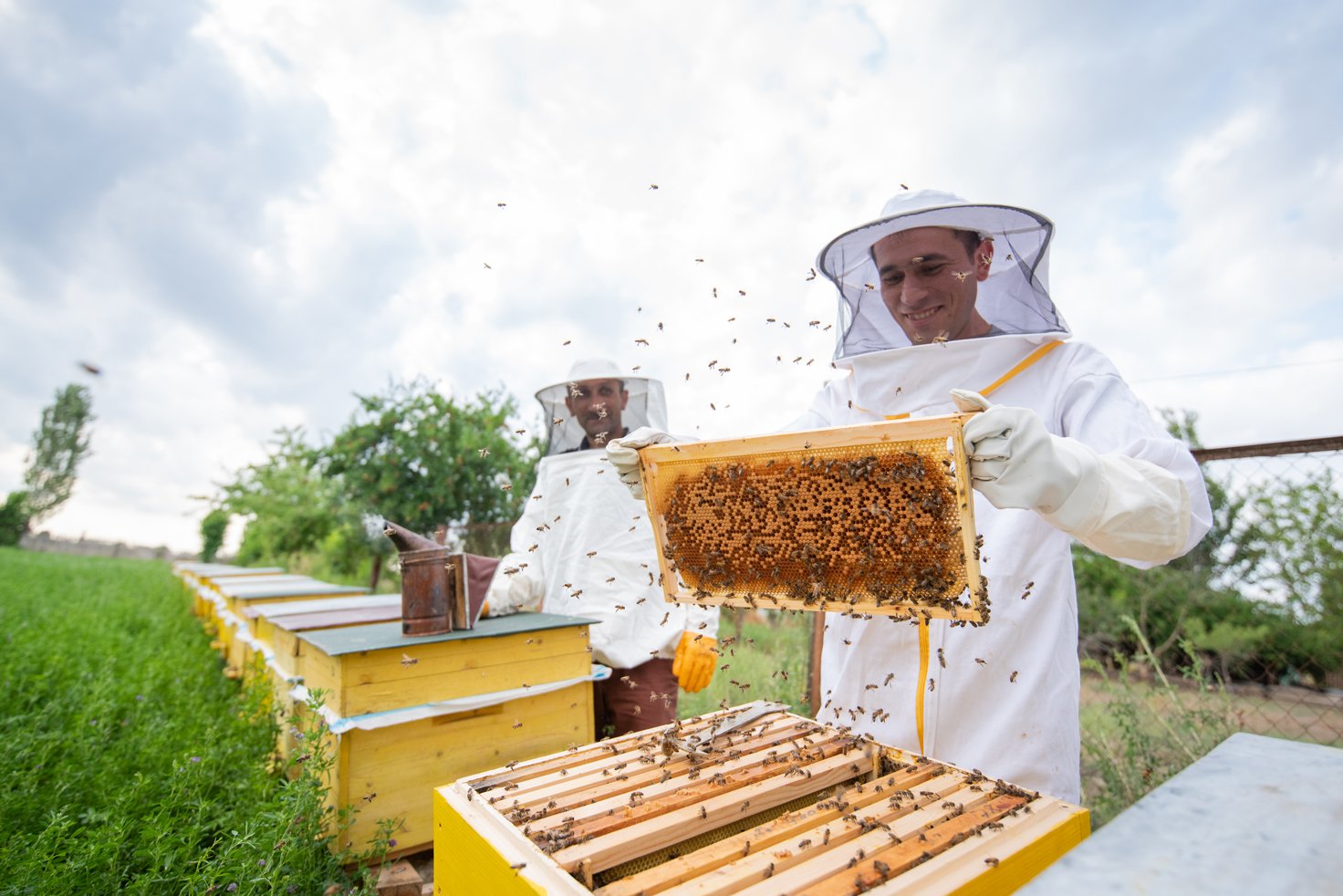
For local people, beekeeping can be both a traditional activity and part of a family business. Caring for bees requires knowledge of seasonal changes, flowering plants, and weather conditions. Therefore, good-quality honey is the result of both natural conditions and careful human work.
How to Choose Natural Azerbaijani Honey
Honey is often one of the most popular food souvenirs from Azerbaijan. It is easy to take home and share with family and friends, helping you remember your visit.
There are several things to consider when choosing honey:
- Origin. Ask which region the honey comes from and which plants grow where the bees collect nectar.
- Information about the producer. It is better to buy honey from sellers who can tell you about their beehives, the collection season, and storage conditions.
- Ingredients and label. If the product is sold as pure honey, its label should not list added syrups or artificial sweeteners.
- Appearance. Honey can have different colours and thicknesses. Crystallisation does not mean that the honey is fake.
- Storage conditions. Honey should be kept in a tightly closed container that protects it from moisture, strong smells, and direct sunlight.
There is no simple home test that can always show whether honey is natural or fake. If it is very important to know that the honey is genuine, the best choice is a trusted producer. If necessary, a laboratory test can also be used.
Food Discoveries in the Regions of Azerbaijan
Getting to know a country is more interesting when famous places are combined with local food and traditional products. Outside the capital, you can see how the landscape changes, explore small towns and villages, taste regional dishes, and learn more about the daily lives of local people.
For this reason, the history of Baku and the country’s architectural heritage are well complemented by its food traditions. Honey is an interesting part of this experience because it tells us about the climate, plants, farming, and local hospitality.
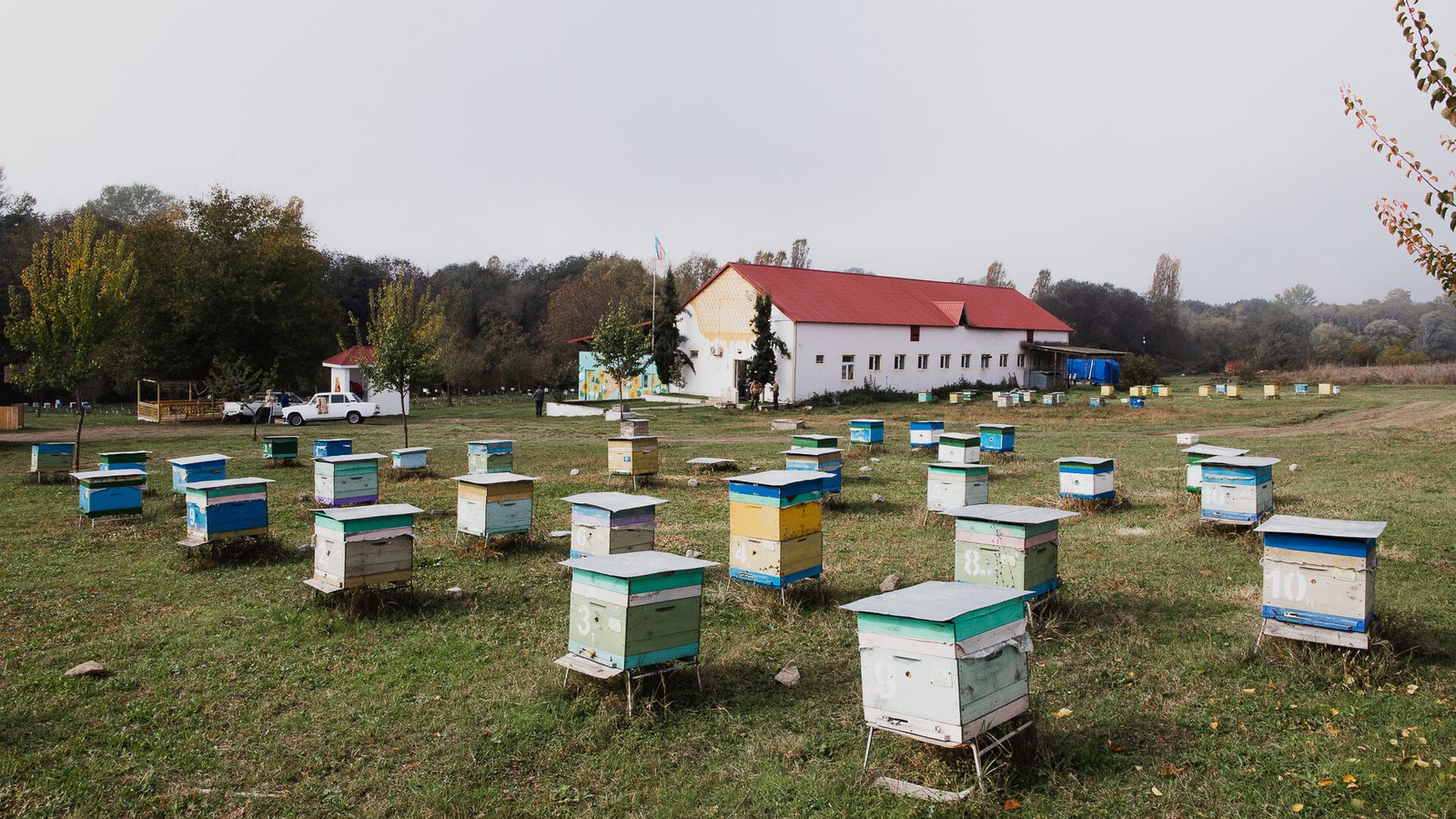
It is especially interesting to explore regions where natural landscapes are combined with local markets, meetings with craftspeople, and tastings of regional products. If an arrangement is made with a producer in advance, it may be possible to visit a beehive location, depending on the season and availability.
Even buying honey at a local market can become a small cultural discovery. A seller may explain how this year’s honey is different from last year’s, which plants the bees collected nectar from, and how local families usually serve honey. These conversations help you understand the country not only as a guest but also through the experiences of its people.
Azerbaijani Honey: A Souvenir with a Story
Honey from Azerbaijan is more than a sweet product. It reflects the country’s natural variety, the seasonal rhythm of village life, and traditions passed from one generation to the next. Behind its taste are flowering mountain slopes, forest clearings, the work of beekeepers, and care for local products.
For people who prefer to discover a country through its food and everyday culture, the less obvious sides of local life are worth a closer look. Along with ancient fortresses, museums, and mountain landscapes, you may remember simple experiences: the smell of fresh bread, a glass of hot tea, and a spoonful of fragrant honey.
These small details make getting to know the country truly special. They help us understand that Azerbaijan’s wealth is not only found in its historic monuments and beautiful landscapes, but also in its products, traditions, and people, who give every region its own special character.
Comments (0)
Leave a Comment