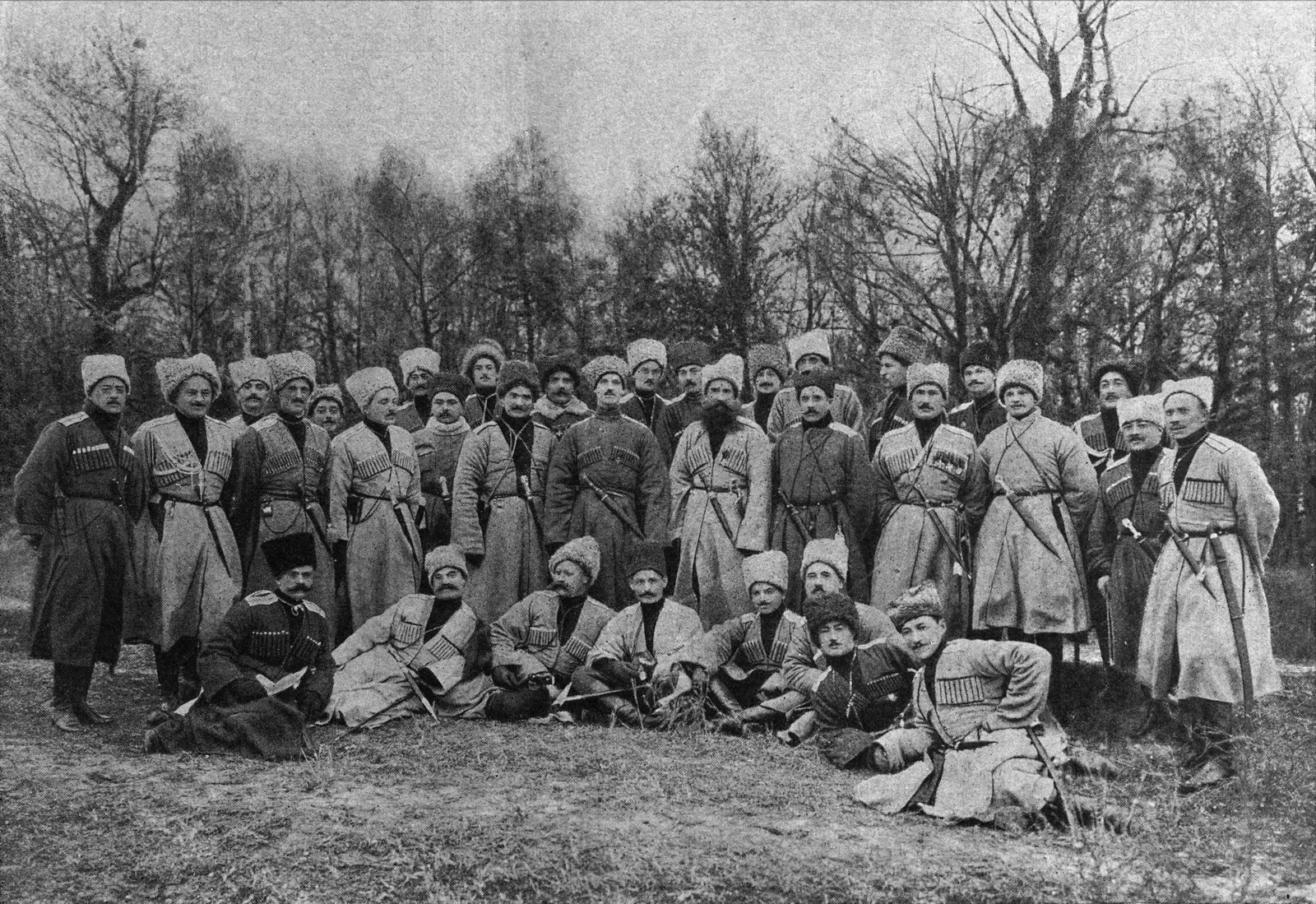
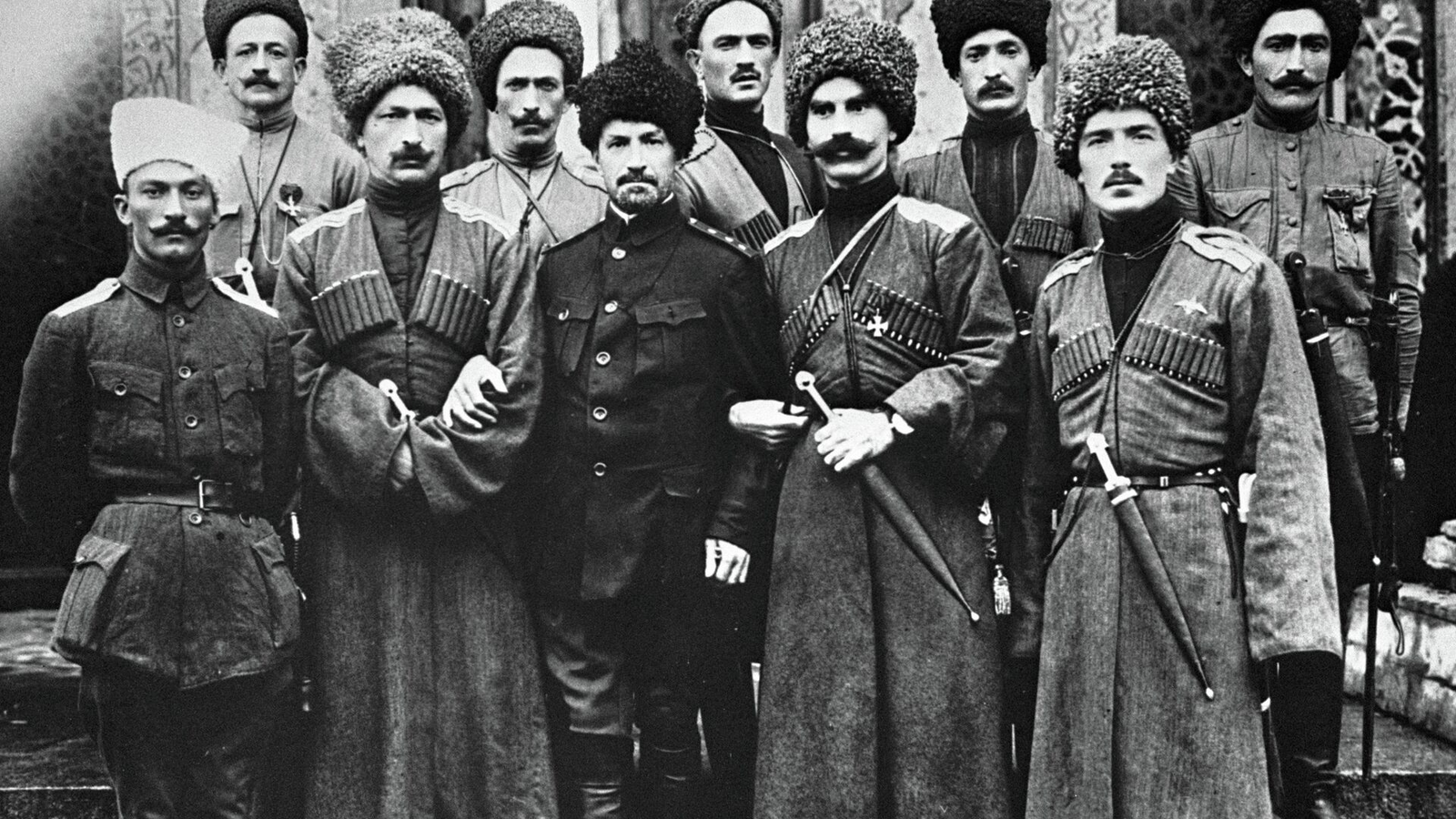
World War I changed the fate of many nations and regions, including Azerbaijan. One of the most remarkable but lesser-known chapters of this period is connected with the legendary Caucasian Native Cavalry Division, widely known as the Wild Division.
For Azerbaijan, this story is not just a military episode but an important part of national history, shaped by voluntary service, honor, and strong social solidarity.

Voluntary Service and the Choice of Honor

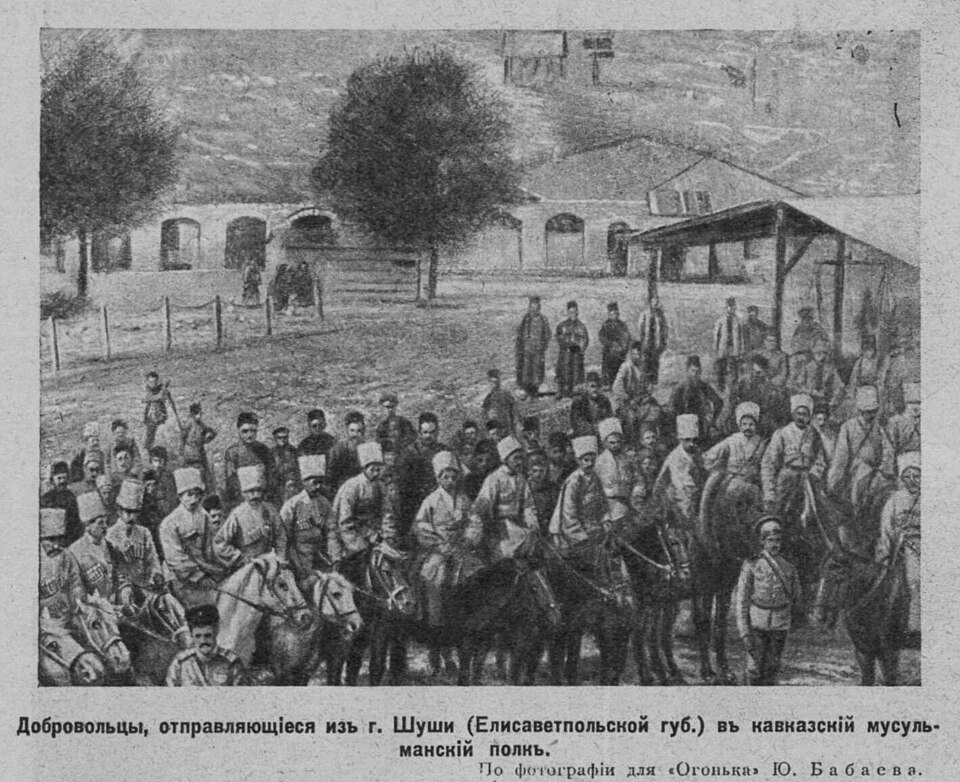
When the Wild Division was formed in 1914, service in this unit was voluntary. Azerbaijanis, officially called “Tatars” in the documents of that time, joined not because of obligation, but because of honor and personal responsibility.

Many Azerbaijani volunteers came to the division with their own horses, personal weapons, and traditional clothing. For a cavalryman, the horse was not simply transport but part of his identity. Weapons were a symbol of dignity, and equipment reflected a long-standing military tradition. This made Azerbaijani riders different from ordinary mobilized soldiers.

An equally important role was played by Azerbaijani society itself. Wealthy families and philanthropists from Baku financially supported the volunteers, helping with equipment and daily needs. As a result, Azerbaijani participation in World War I became a collective effort, supported not only by individuals but by the community as a whole.

Azerbaijanis within the Wild Division

The division included a separate “Tatar” cavalry regiment, which was essentially Azerbaijani. It made up about 15–20 percent of the total strength of the Wild Division. However, the real influence of Azerbaijanis was greater than numbers alone suggest.

The Azerbaijani regiment was well equipped and highly disciplined. Azerbaijani officers and non-commissioned officers also served in other units, strengthening the overall effectiveness and reputation of the division.

Faith, Discipline, and Military Ethics

Despite its dramatic nickname, the Wild Division was known for strict discipline. For Azerbaijani soldiers, the oath taken on the Quran had deep spiritual meaning. Honor, loyalty, and respect for faith were fundamental principles of service.

Azerbaijani cavalrymen were brave without being reckless and disciplined without being cruel. These qualities earned them respect among allies and fear among opponents.

On the Front Lines of World War I

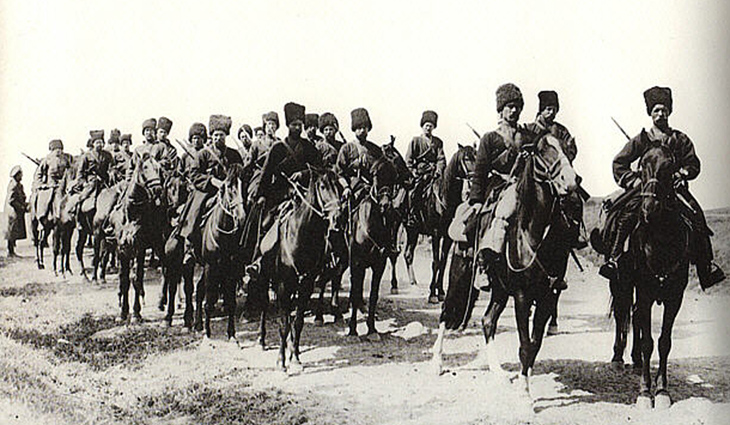
The Wild Division took part in major campaigns on the Eastern Front, including the Carpathian operations and the famous Brusilov Offensive of 1916. Azerbaijani cavalrymen proved themselves in reconnaissance missions, fast raids, and decisive flank attacks.

Their ability to operate in difficult terrain and maintain order under pressure made them one of the most reliable elements of the division. Contemporary accounts often mention the psychological impact of Caucasian cavalry charges on enemy troops.

Azerbaijani Officers and Military Legacy

World War I became an important school for future Azerbaijani military leaders. Figures such as Ali-Agha Shikhlinski and Samad bey Mehmandarov symbolized professionalism and military honor. Their experience later played a key role in the creation of the army of the Azerbaijan Democratic Republic between 1918 and 1920.

Historical Significance for Azerbaijan

After the events of 1917, the Wild Division was disbanded, but its legacy remained. For Azerbaijan, participation in this unit became an important stage in the formation of national military identity. It was a school of discipline, responsibility, and voluntary service to the homeland.

The story of Azerbaijanis in World War I shows that true heroism comes not from orders, but from an inner sense of duty and honor.

The Wild Division remains in history as an elite cavalry unit, and for Azerbaijan it stands as a symbol of voluntary courage, social unity, and military dignity. Azerbaijani volunteers went to war with their own horses, their own weapons, and a strong sense of responsibility to their people, leaving a lasting mark on the history of World War I.
Categories: History