Nowruz in Azerbaijan is far more than just a holiday — it is a deep-rooted cultural celebration that marks the arrival of spring, renewal of life, and the beginning of a new year. Celebrated on the day of the spring equinox, Nowruz reflects ancient beliefs, family traditions, and a vibrant festive spirit that has been preserved for thousands of years.
The origins of Nowruz date back to ancient times and are closely connected with Zoroastrianism, one of the world’s oldest religions, which once spread across the territory of modern Azerbaijan. At its core, the holiday symbolizes the eternal struggle between light and darkness, where spring represents victory, warmth, and new life. Over centuries, Nowruz has evolved, blending different cultural influences while maintaining its central meaning — renewal, harmony, and hope.
Preparation for Nowruz begins weeks in advance. One of the most important traditions is the celebration of four pre-holiday Tuesdays, each dedicated to one of the natural elements: water, fire, wind, and earth. These elements are believed to awaken nature and prepare it for spring. During this time, families clean their homes, throw away old items, and prepare to welcome the new year with a fresh start.
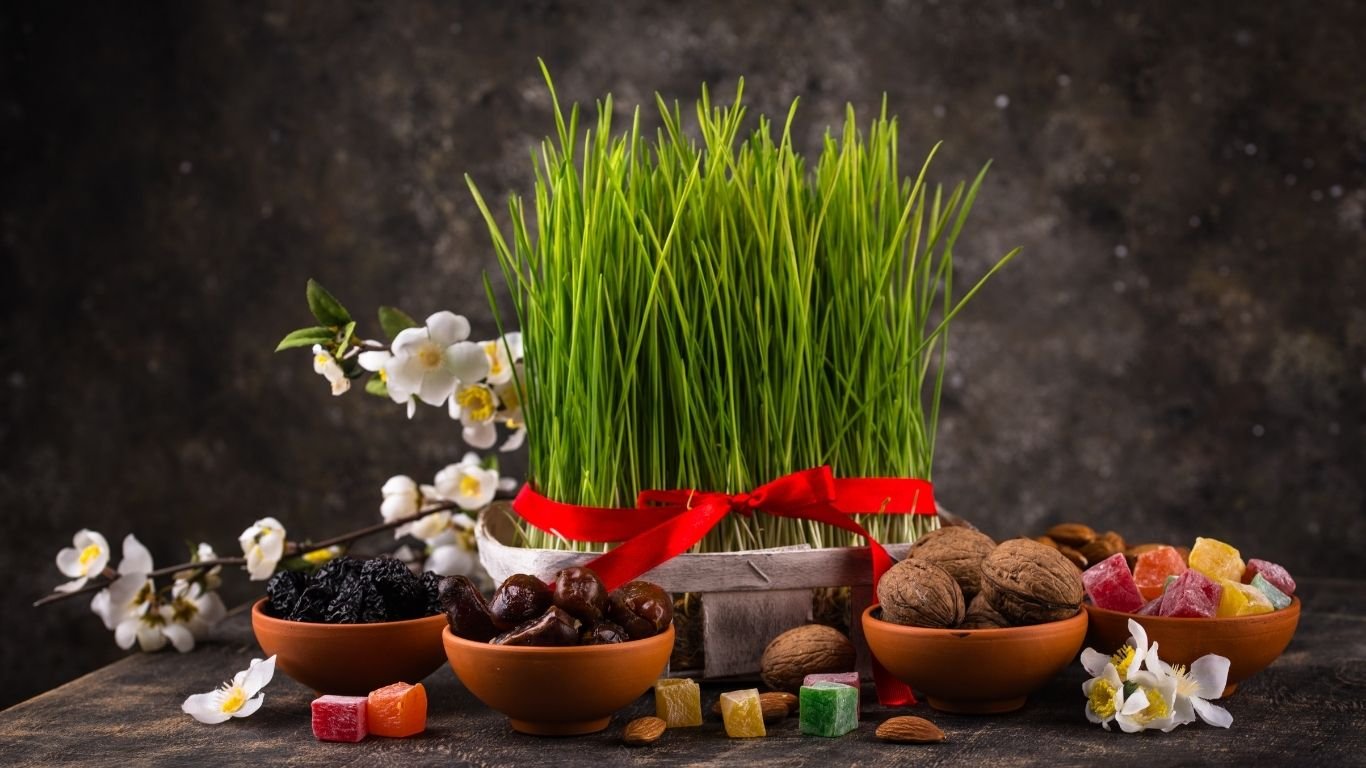
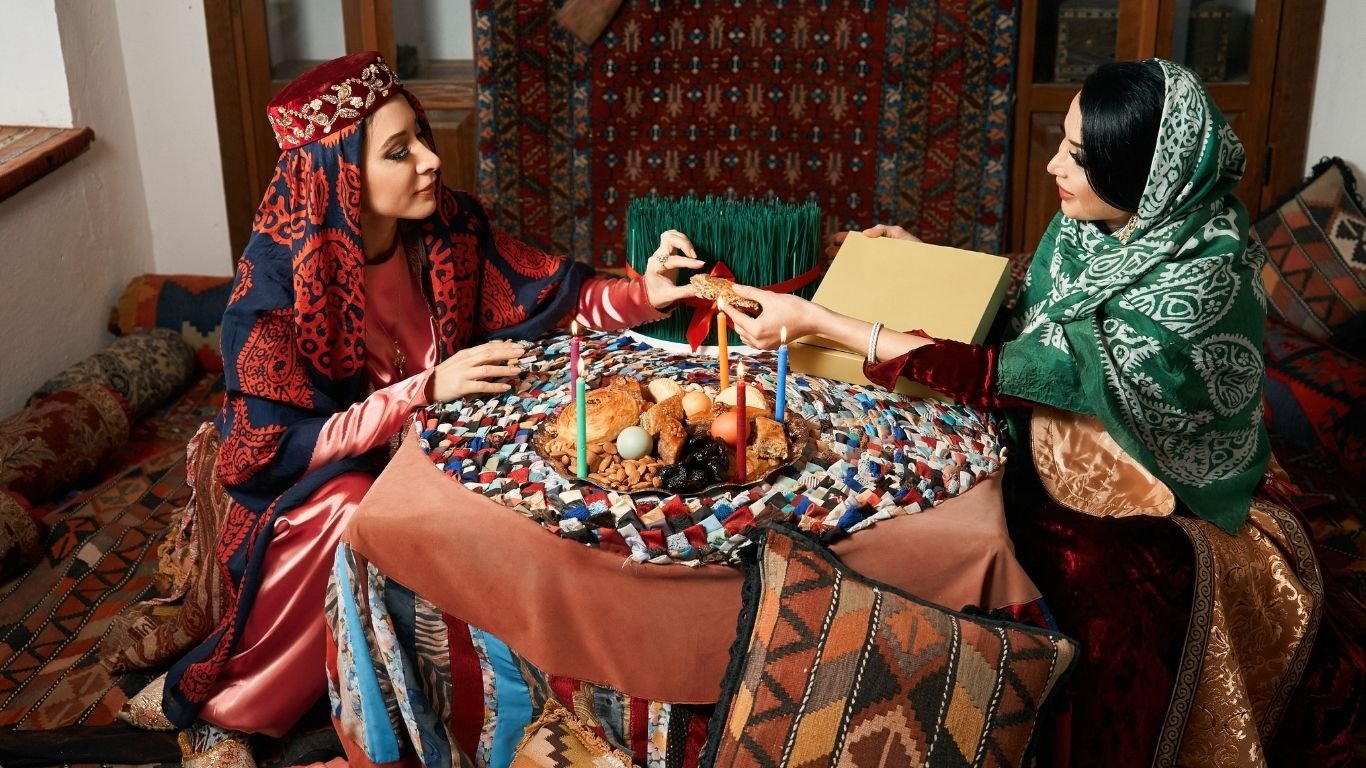
One of the most iconic symbols of Nowruz is samani — sprouted wheat that represents fertility, life, and prosperity. It is placed at the center of the festive table, often decorated with ribbons and candles. The holiday table, known as khoncha, is carefully arranged with sweets, nuts, dried fruits, colored eggs, and traditional dishes.
Food plays a central role in the celebration. Traditional sweets such as pakhlava, shekerbura, and gogal are prepared in almost every home. Each of them carries symbolic meaning: gogal represents the sun, while the patterns on shekerbura resemble the moon and stars. Another essential dish is plov, symbolizing abundance and prosperity.
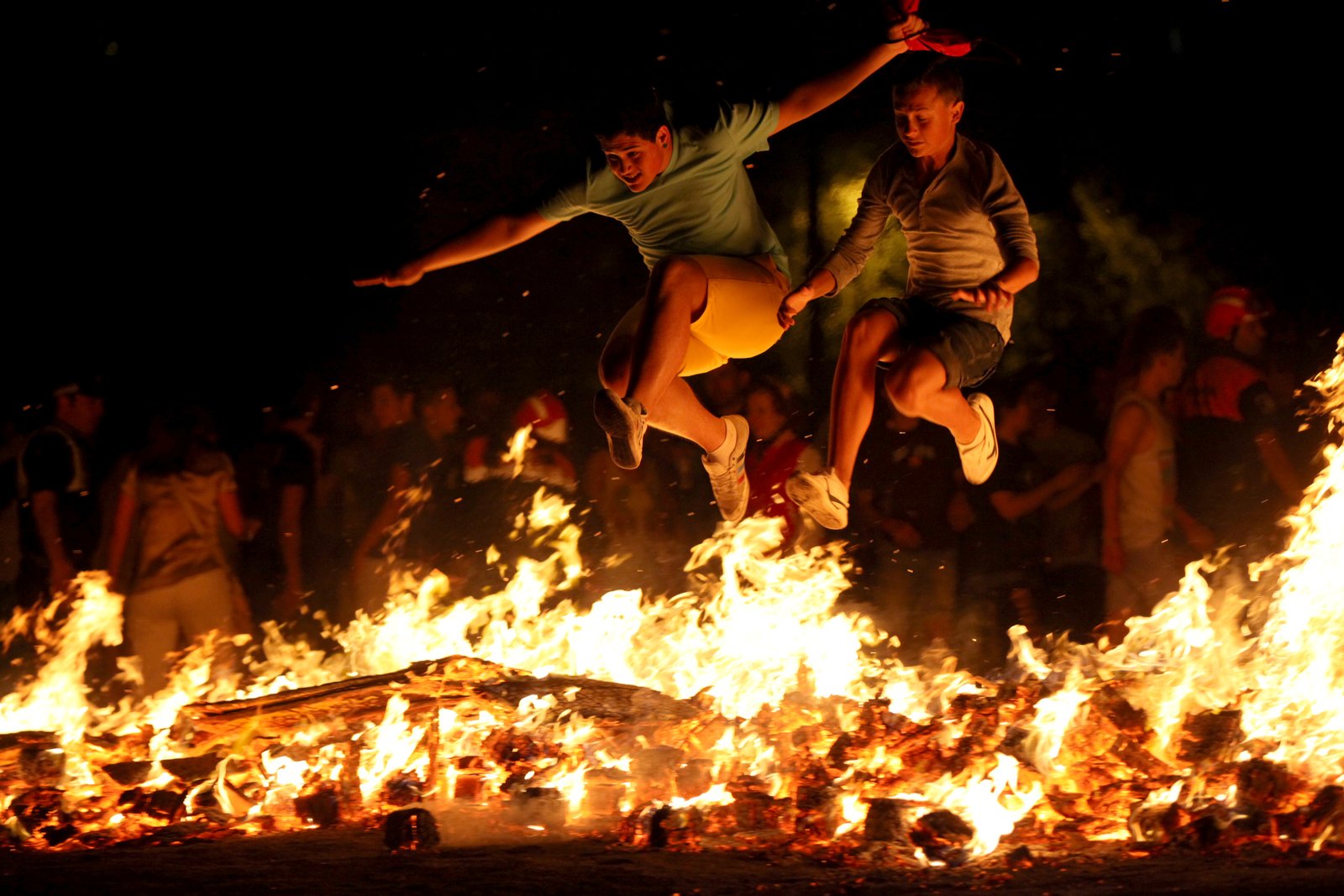
One of the most exciting traditions of Nowruz is fire jumping. Bonfires are lit, and people jump over the flames while saying phrases that symbolically leave all negativity and illness behind in the old year. This ritual reflects ancient beliefs about fire as a purifying force.
Children also play an important role in the celebration. They participate in a tradition similar to trick-or-treating — leaving small bags or hats at neighbors’ doors and receiving sweets in return. This creates a joyful and lively atmosphere in neighborhoods.
Nowruz is also a time for visiting relatives and strengthening family bonds. People exchange gifts, share meals, and show respect to elders. Hospitality becomes especially meaningful during these days.
Today, Nowruz is celebrated not only in Azerbaijan but across many countries. It is recognized by UNESCO as an Intangible Cultural Heritage of Humanity. Despite modern influences, the holiday remains authentic and deeply cherished.
For travelers, Nowruz offers a unique opportunity to experience Azerbaijan’s living traditions. Streets come alive with festivals, music, and local markets, creating an unforgettable atmosphere filled with warmth and celebration.
Visiting Azerbaijan during Nowruz means becoming part of a centuries-old tradition — one that connects people, nature, and time itself.
Comments (0)
Leave a Comment