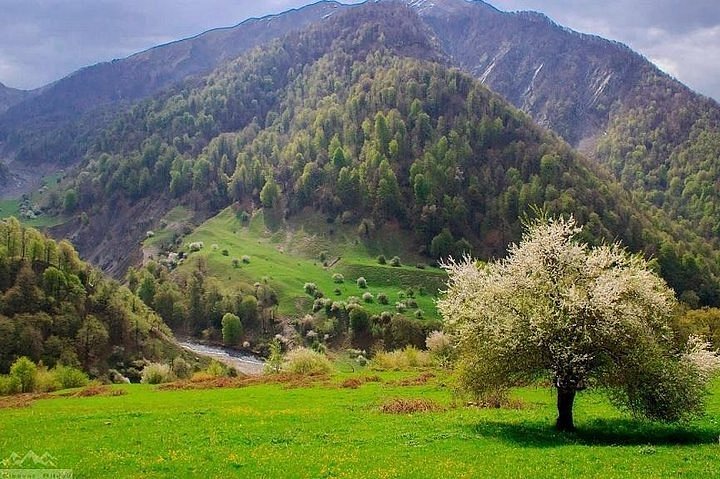
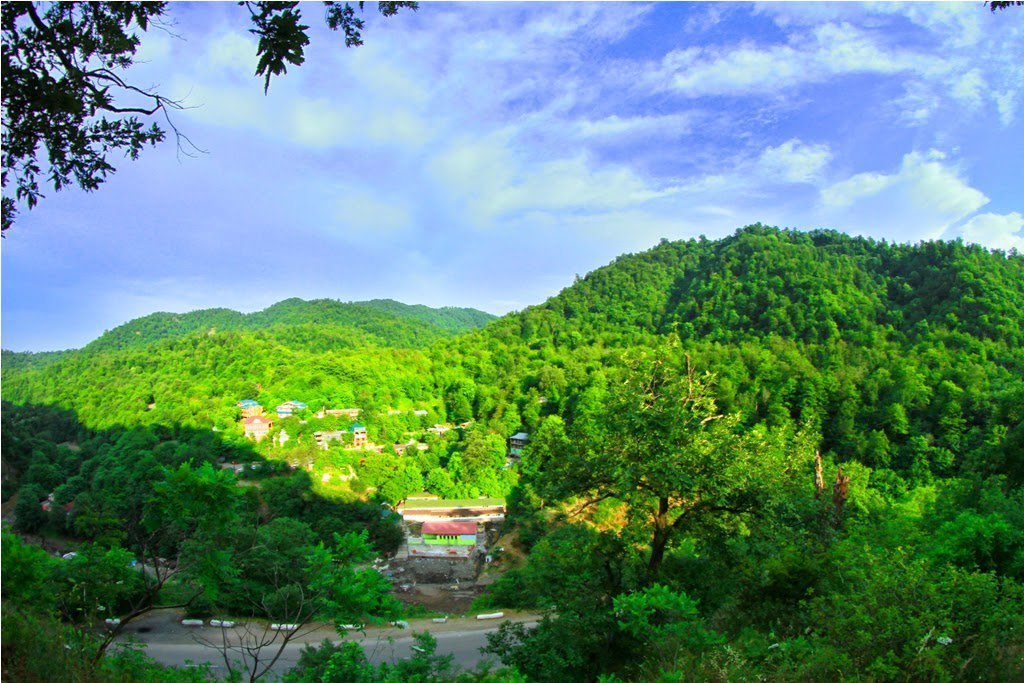
Masally is not just a district in southern Azerbaijan. It is a colorful corner of the country where dense forests meet agricultural plantations, where rivers wind through mountains, and where people still practice crafts that have almost disappeared in other places.
The first thing that strikes you about Masally is nature. The subtropical climate has created conditions for growing plants that cannot be found in other parts of Azerbaijan. Summer temperatures around 29 degrees Celsius, winter temperatures around 7 degrees, and year-round humidity—this is the perfect recipe for lush vegetation. In the forests here grows the famous ironwood tree, scientifically known as Parrotia persica. Its wood is so dense and heavy that it sinks in water. Since ancient times, local residents have used this tree to make weaving looms. This tradition continues today—ironwood is used for textile equipment parts.
But ironwood is not the only plant worth attention. Along roads and in rural settlements, potted plants are sold literally everywhere. Potted plants here are not a luxury but part of local life. Local residents joke that if you drop a seed or stick a branch in the ground, it will definitely grow. The region grows begonias, ficus trees, roses, and azaleas. But there are also exotic species—kumquat, with orange fruits that resemble tiny oranges, or the remarkable lantana. Lantana is interesting because its local name is not scientific at all—here it's called "eddi gözyəl," which means "seven beauties." Lantana flowers change color: they open yellow, then turn red. But most importantly—the scent. All parts of the plant smell—stems, leaves, flowers. This aroma resembles expensive perfume, and it's no coincidence that lantana is used in the composition of famous brand fragrances. You can find it in DKNY Summer or Fendi.
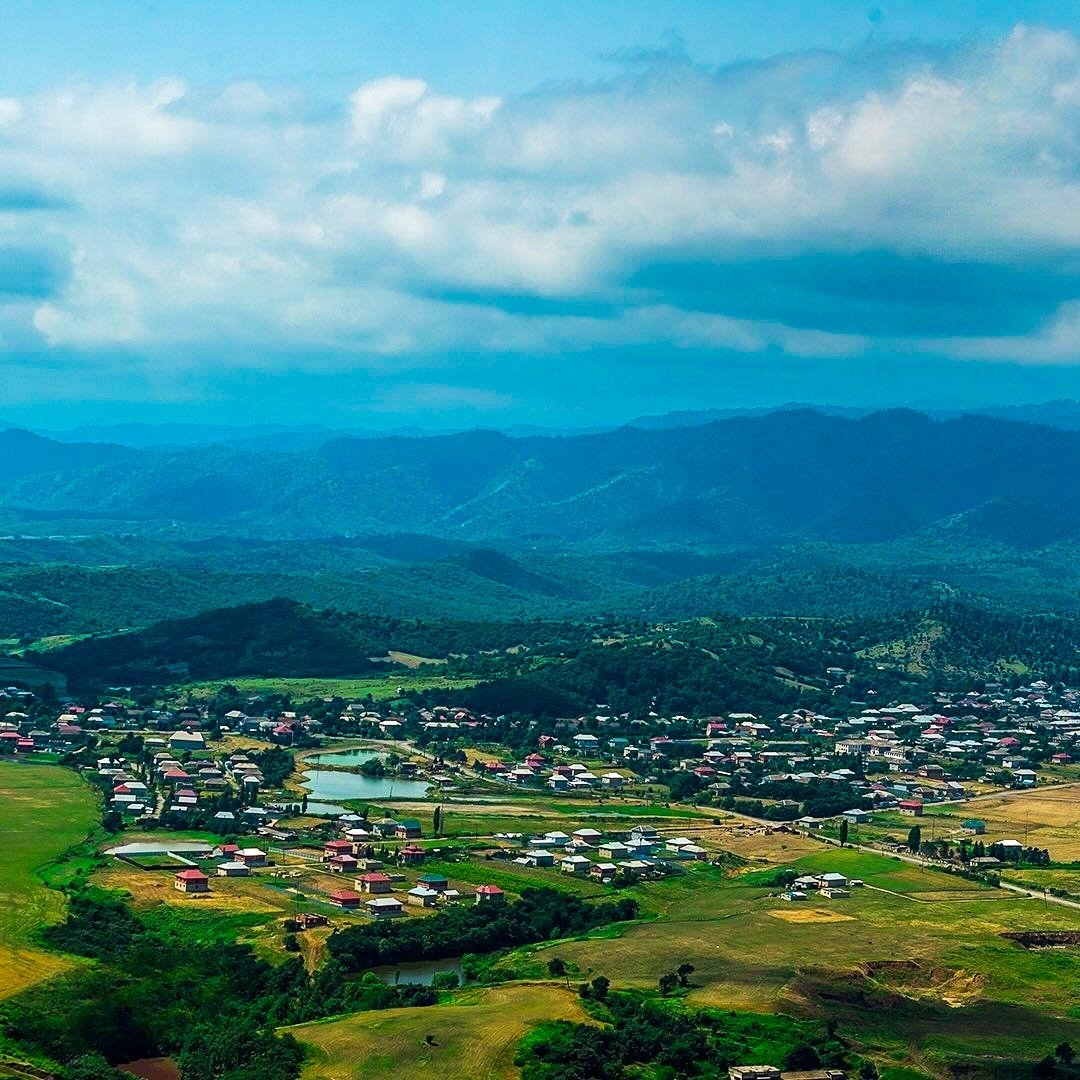
Masally is crossed by the Vilash River, the longest and most abundant river in the subtropical zone of Azerbaijan. It is 111 kilometers long and originates in the mountains, winding through all of Masally before flowing into the Caspian Sea. The river's name is known throughout thousands of years. The ancient astronomer and geographer Ptolemy already indicated it on maps of the Caspian in the 2nd century AD. The river basin covers an area of 935 square kilometers and is rich in fish. Along the banks of the Vilash River, people come to fish, seeking peace and tranquility. The river serves as a natural boundary between Masally and the neighboring district of Lerik.
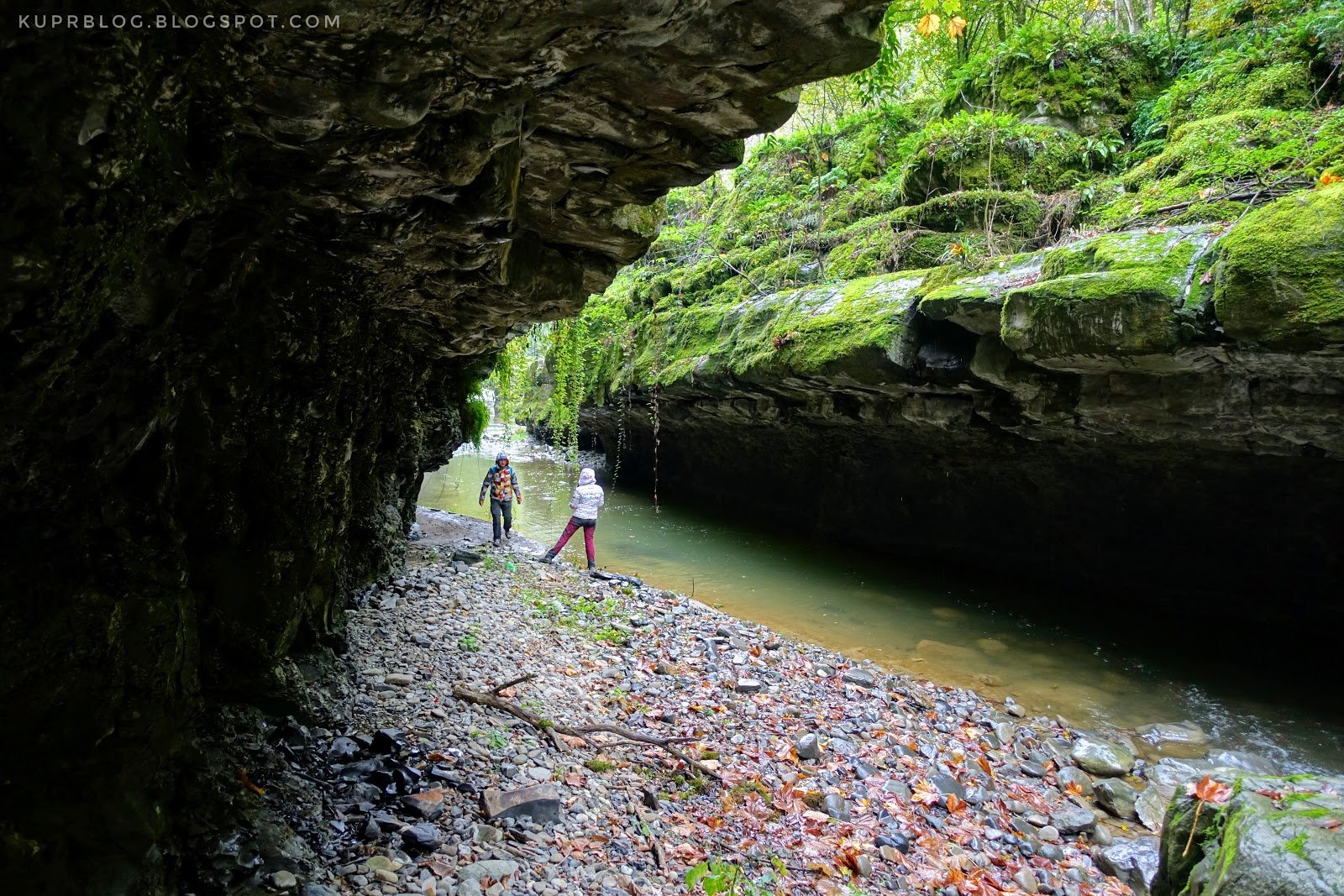
On the bank of the Vilash River, on the slope of Mount Dombalov at an altitude of 1650 meters, thermal springs called Istisu flow. The name simply translates as "hot water." Water here rises from the depths of the earth from a depth of 90-250 meters in hot form, at about 69 degrees Celsius. The history of Istisu stretches back into the distant past. People considered this water miraculous centuries ago. But only in 1960 did scientist Mir Qazim Aslanlı-Sareng conduct an analysis and discover hydrogen sulfide, calcium, sodium, chlorine, iodine, and magnesium in the water. The water is indeed indicated for treating many diseases. After Soviet scientific centers confirmed its therapeutic properties, Istisu was given the status of a Soviet-wide resort and healing sanatorium. Today this place is called "Fatimei-Zahra" and continues to attract visitors. In summer, tourists love to bathe in places where the hot water of Istisu flows down the rocks and mixes with the cool river, creating natural thermal baths. Interesting fact: in these waters live nimble little fish that nibble at visitors' skin. It is believed that these natural fish therapy procedures help with skin diseases.
In the district of Masally, there is a village called Erkivan, which is home to 18,000 people. This village is remarkable for one unique fact: the population density here is 220 people per square kilometer. This is higher than the average population density in China. Overall, the population density throughout Masally exceeds the average population density in Azerbaijan by three times. Erkivan is known not only for its large population but also for one dying craft—the making of painted wooden chests. Once upon a time, chests were a mandatory part of a bride's dowry. When a young woman left her father's house, she carried her dowry in chests. Today this craft has survived only in Erkivan and among only 2-3 people in the entire southern region of Azerbaijan. One well-known craftsman is Sharafat Azizov; his grandfather and father also practiced this craft. Sharafat is trying to pass his skills on to his son. Chests are made from flexible cypress wood. A master can make 1-2 standard chests per day. Sizes vary, but the most popular ones are 80 by 40 centimeters.
In the village of Musakyucha, the ancient craft of reed weaving has been preserved. Once this was widespread throughout Azerbaijan, but now only 40-50 people in this single village practice it. The process begins in spring and summer, when women harvest reeds (locally called "pizə") in swampy places and by the sea coast—often risking encounters with snakes. Then the leaves are removed and spread to dry for 2-3 days. On a special loom, the stems are woven into mats and rugs measuring 1.10 by 4 meters, though longer versions of 5-7 meters are also found. In a day, an experienced craftswoman can weave 3-4 rugs. These rugs have practical value—they don't let moisture through and can last 2-3 years. They are laid in houses, courtyards, or used for decorative purposes. These are not museum exhibits but living craftsmanship.
On the territory of Masally is the Molok village of Kalinovka. Once this place was called Lyamsa—a word from the Talysh language meaning lake or clearing. In 1840, Russian Moloks, who had been exiled from Russia in the early 19th century, resettled here. They founded the settlement and named it Mikhailovka in honor of their leader Mikhail Popov. After 1917, it was renamed Kalinovka. The very first school in Masally was even opened in the settlement—in 1860. Until the 1990s, more than half of Kalinovka's residents were ethnic Russians. Today, 2,557 people live here, of whom only six are Russian. The rest of the population are Azerbaijanis. But the history remains—this is a living example of how different peoples lived side by side and left traces of their presence.
In the village of Makhmudavar, there has existed a folk song and dance ensemble called "Halai" for almost seventy years. It was founded in 1956 and received the title of a people's ensemble. Its members literally span all generations. There is a group of veterans aged 45 to 60. They are often compared to the famous Russian collective "Buranovskie Babushki," but "Halai" appeared earlier. There is the current generation of vocalists aged 17-35 and young people who are just beginning to sing. All groups rehearse regularly and perform at major holidays at the House of Culture in Masally. Several times a month, the ensemble gives concerts before visitors at sanatoriums and recreation areas. They frequently tour and have performed in Russia, Ukraine, Belarus, Georgia, Turkey, Iraq, and Hungary. The repertoire includes folk Talysh, Azerbaijani, and Iranian songs, dances, and stage performances. They perform classical melodies like "Lolu," "Ailali," "Mirzayyi," and others, which serve as the foundation for creating vivid song and dance images. Bright national costumes created by local artisans are used in the performances. It is no coincidence that since 2012, the International Folklore Festival has been held in Masally, and the region itself was declared the folkloric capital of Azerbaijan in 2012.
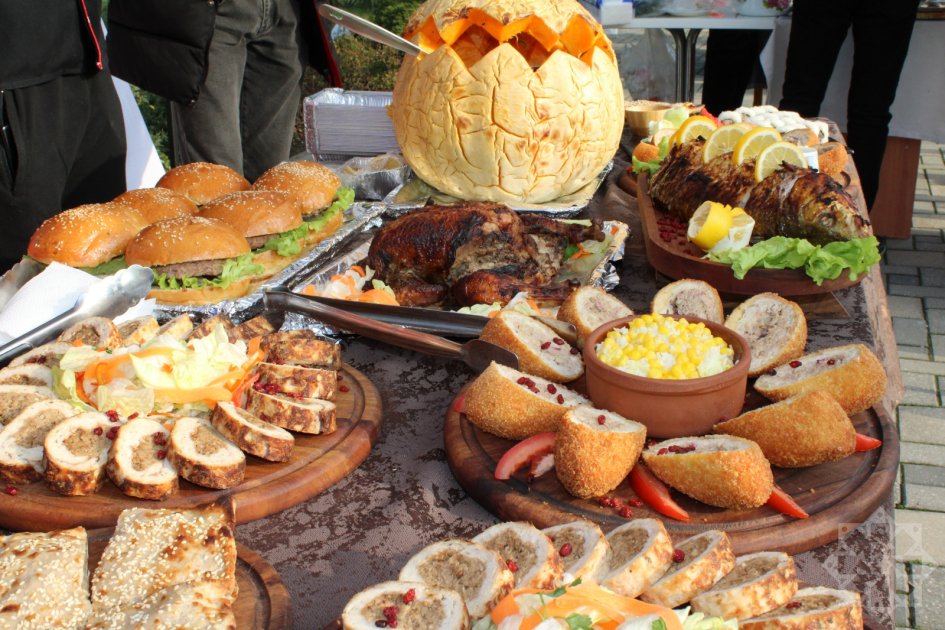
Speaking of Masally, it is impossible not to mention Talysh cuisine. Its history is ancient—during excavations in the district, kitchen utensils made of stone and clay were found, dating back to the 3rd-1st centuries BC. Talysh cuisine is rich and diverse. Traditionally, more than 20 rice dishes are prepared here—pakhla pilaf, lobya pilaf, turshulu ash, ayran ash. There are 23 types of meat dishes, 9 types of fish appetizers, 8 types of grain dishes, 5 types of omelets, 28 types of fruit dishes, and various types of stewed eggplants. But the main dish that defines the region is Lavangi. This is a bird or fish stuffed with nuts, onions, and sumac, cooked in a tandoor. Although lavangi is prepared throughout Azerbaijan, residents of Masally and Lankaran will tell you that only they know how to cook it properly. For dessert, they prepare lukyu—flatcakes made from rice flour with butter and milk—and sweet rice flour buns.
The culinary calendar in Masally follows the seasons. In spring, in May, fatty pilaf with beans and fresh dill is in high demand. In spring, leafy salad with apple sauce seasoned with aromatic herbs is also popular. And most importantly—here they love unexpected contrasts. Smoked fish can be served at the table with pilaf or sweet watermelon. This is not designed for tourists. This is how people who live in this place eat.
Masally is not about pristine beaches and five-star hotels. It is about how people live with their land, preserve old crafts, sing old songs, and prepare food that their ancestors prepared. Every day spent here reveals something new.
Comments (0)
Leave a Comment