There are certain moments in the year when a country seems to slow its rhythm and breathe differently. Streets grow quieter, families gather more often, and homes are filled with the warm glow of evening light and the aroma of freshly baked sweets. In Azerbaijan, this atmosphere arrives with the holy month of Ramadan — and culminates in Ramadan Bayram, one of the most meaningful and heartfelt holidays in the country. Locally, it is often called Ramazan Bayrami, a name that sounds especially warm and familiar in everyday speech.
Ramadan Bayram, known across the Islamic world as Eid al-Fitr, marks the end of a month of fasting. But fasting during Ramadan is not only about abstaining from food and drink from dawn until sunset. It is a time of self-discipline, reflection, prayer, and compassion. For thirty days, believers focus on spiritual growth, patience, gratitude, and helping those in need. Because of this, Ramadan Bayram is not simply the conclusion of fasting — it is a celebration of inner renewal.
Islam reached the territory of modern Azerbaijan in the 7th century and gradually became an important part of the region’s cultural and social life. Through centuries of political change and historical transformation, religious traditions were preserved within families and passed down through generations. Ramadan Bayram secured its place in the national calendar as a day of unity, gratitude, and light.
The morning of the holiday begins with a special communal prayer. Many men attend mosques, while women often pray at home with their families. The atmosphere feels different from ordinary days: people greet one another with words of peace and goodwill, offering wishes of health, prosperity, and forgiveness. It is believed that this is a day to cleanse the heart from resentment and reconcile with others.
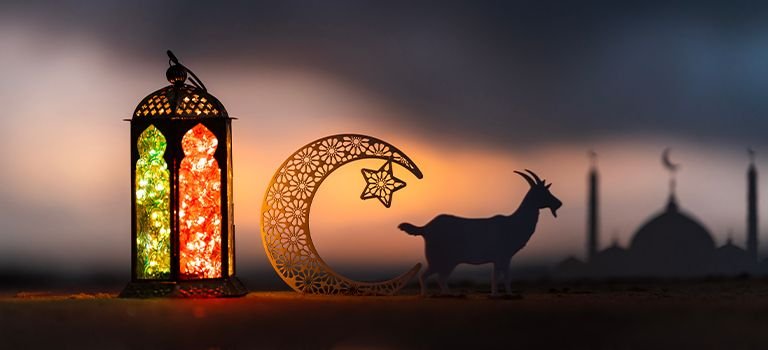
After the prayer, the celebration continues at home. Families prepare festive tables filled with traditional sweets and pastries. Baklava, shekerbura, and gogal are among the familiar treats found in many households. Children eagerly anticipate the day, receiving gifts or small sums of money, while elders are visited as a sign of respect and gratitude. The overall feeling is intimate and warm — less a public festival and more a deeply personal family celebration.
Charity plays a central role in Ramadan Bayram. Before the holiday, a mandatory donation known as fitr sadaqah is given to support those in need. This act ensures that the joy of the celebration can be shared by everyone. The holiday is considered incomplete if others are left without support.
For travelers, Ramadan Bayram offers a unique opportunity to experience Azerbaijan beyond its architecture and landscapes. Cities become calmer, and some businesses may operate on adjusted schedules. Yet there is a noticeable atmosphere of dignity, kindness, and reflection. It is a time when religious tradition coexists naturally with modern urban life.
Azerbaijan is a secular state, and religious holidays blend harmoniously with contemporary society. Even those who do not observe fasting often treat Ramadan Bayram as a day of family warmth and national togetherness. It is a holiday that unites rather than divides.
Ramadan Bayram is not a loud carnival or a street parade. It is a celebration of gratitude, generosity, and quiet light. And within this calm and respectful atmosphere, visitors can glimpse one of the defining qualities of Azerbaijani character — depth, sincerity, and heartfelt hospitality.
Comments (0)
Leave a Comment