Azerbaijan impresses not only with its culture and history but also with its natural diversity. You can see the jagged ridges of the Greater Caucasus near Guba, the lakes of Goygol, Maralgol and Nohurgol reflecting dense forests, the Caspian coast with its moss-covered rocks and gull cries, mist over old villages such as Saribash (Gakh) and Laza (Gusar), and waterfalls such as Ilisu and Seven Beauties.This richness comes from the climate: by a widely used classification, Azerbaijan has nine of the world's eleven climate zones. Thorny semi-desert plants of Absheron grow not far from the lemon trees of subtropical Lankaran.
Rare and Relict Plants of Azerbaijan
Every plant here is tied to the story of climate and evolution. Here are three species worth knowing.
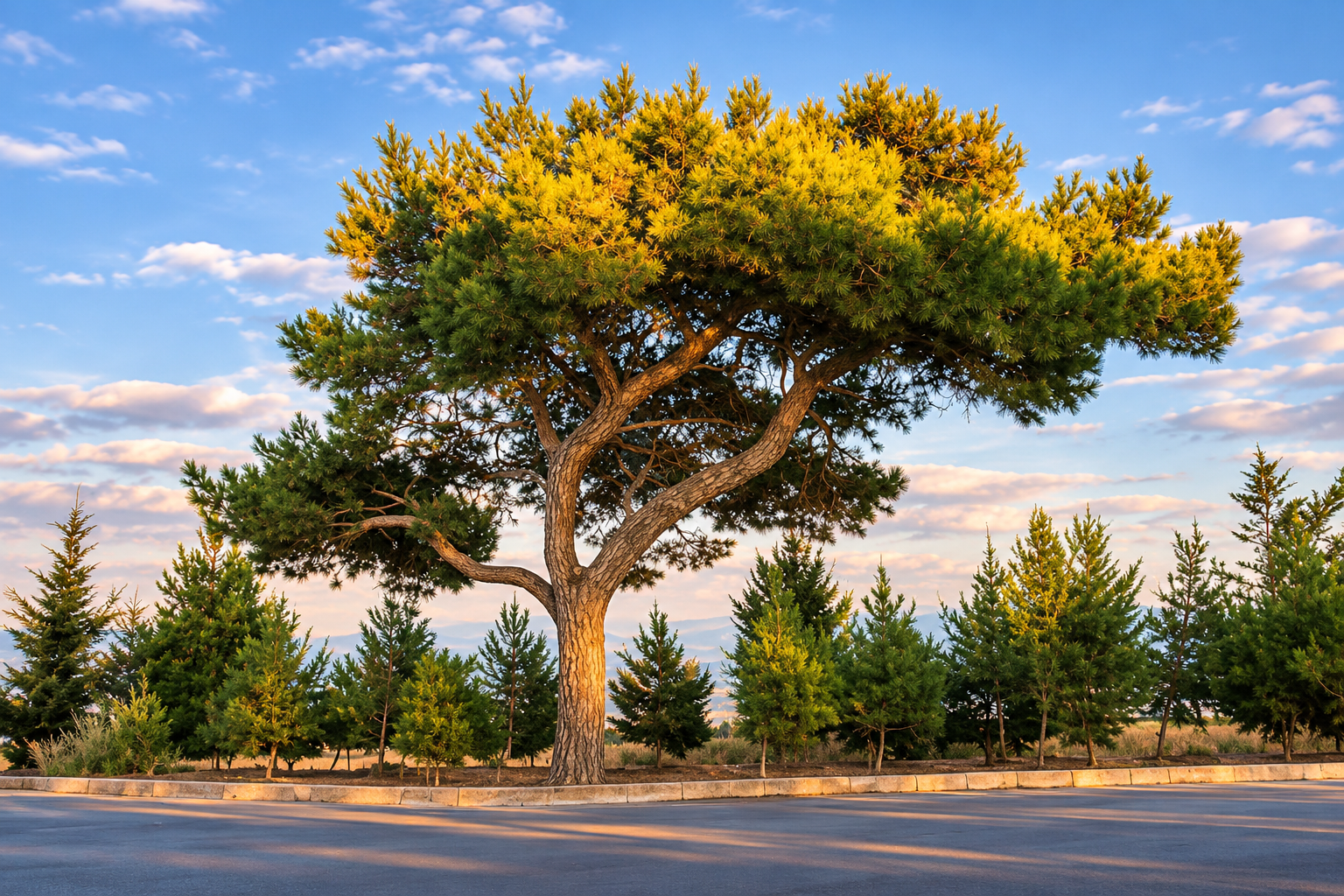
Eldar Pine (Pinus eldarica)
A relict pine whose natural stands survive in the Eldar steppe (Eldar Oyugu) in western Azerbaijan. It tolerates heat and drought, so it is planted in many dry regions of the world, where it is often called the Afghan pine. In Azerbaijan the species is protected.
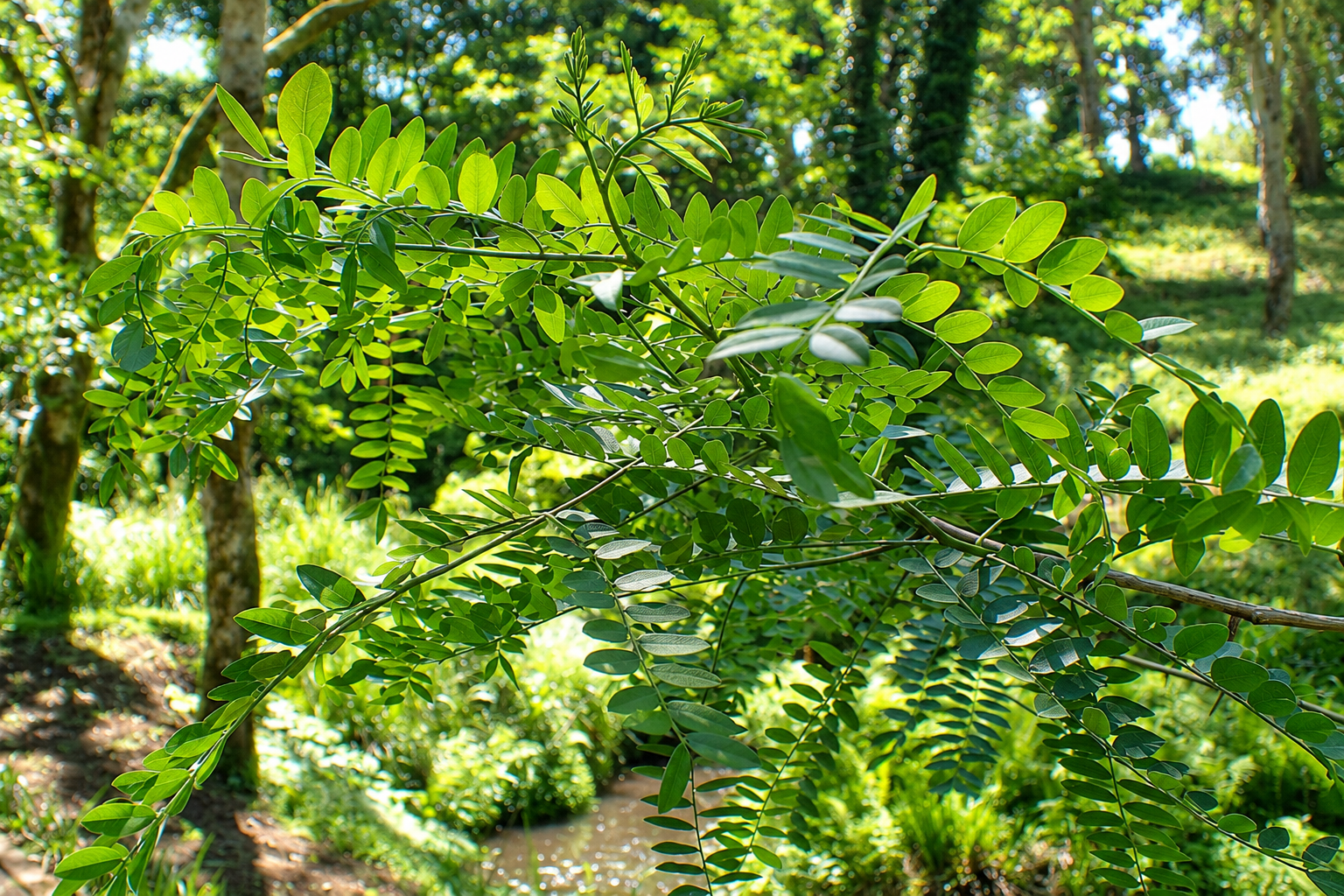
Caspian Locust (Gleditsia caspica)
A deciduous tree growing up to 12 meters tall, undemanding about soil and tolerant of drought. It grows in the Caucasus, including Azerbaijan, and in northern Iran near the Caspian Sea. It is grown as an ornamental and landscaping tree.
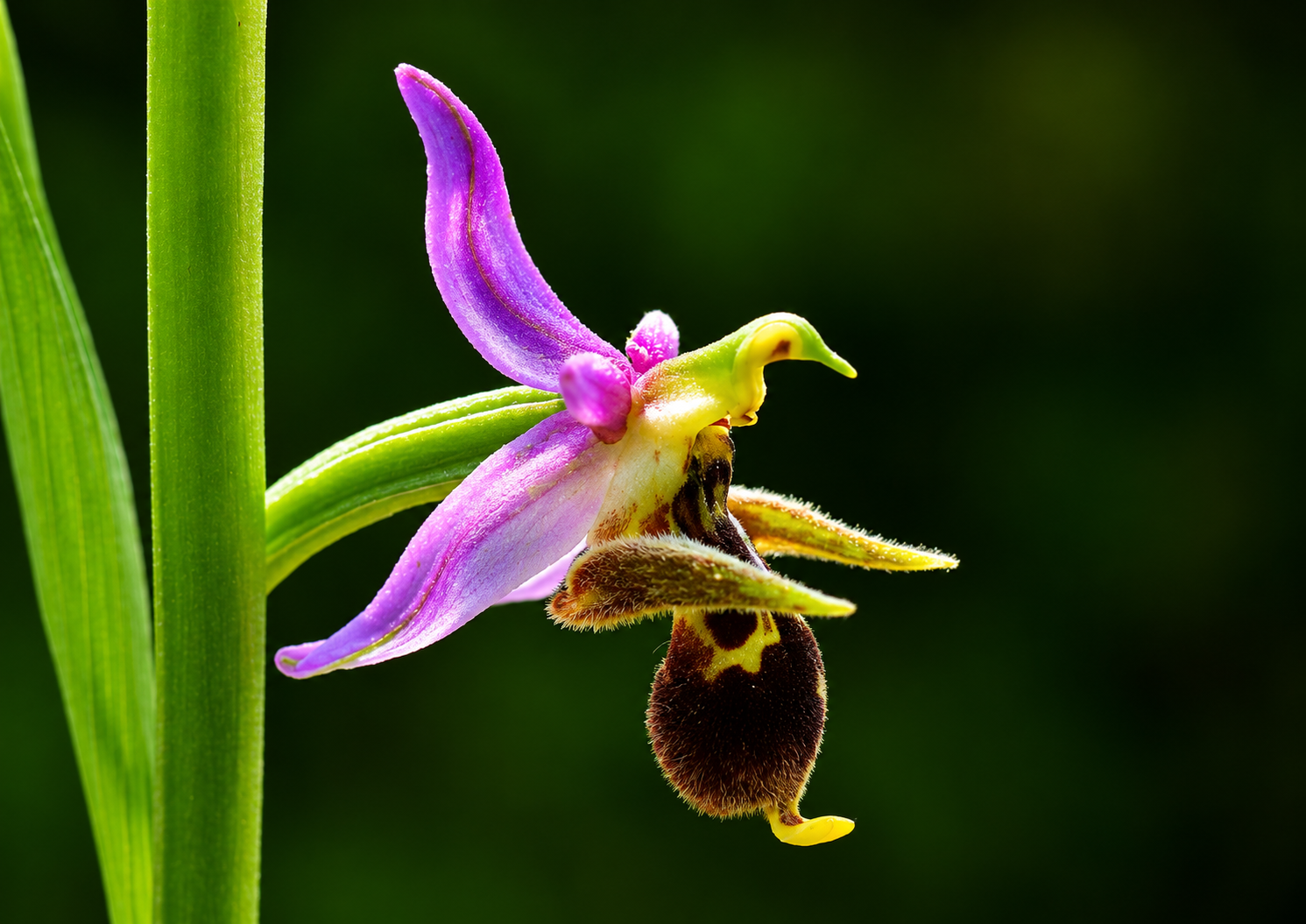
Kharibulbul (Ophrys caucasica): the Symbol of Shusha and Karabakh
A rare orchid celebrated by poets and musicians. Its flower resembles a bird, and its name is linked to the nightingale (Azerbaijani bülbül). The Kharibulbul is regarded as a symbol of Shusha and Karabakh. It blooms in spring, around May, and Shusha hosts an international festival named after it.
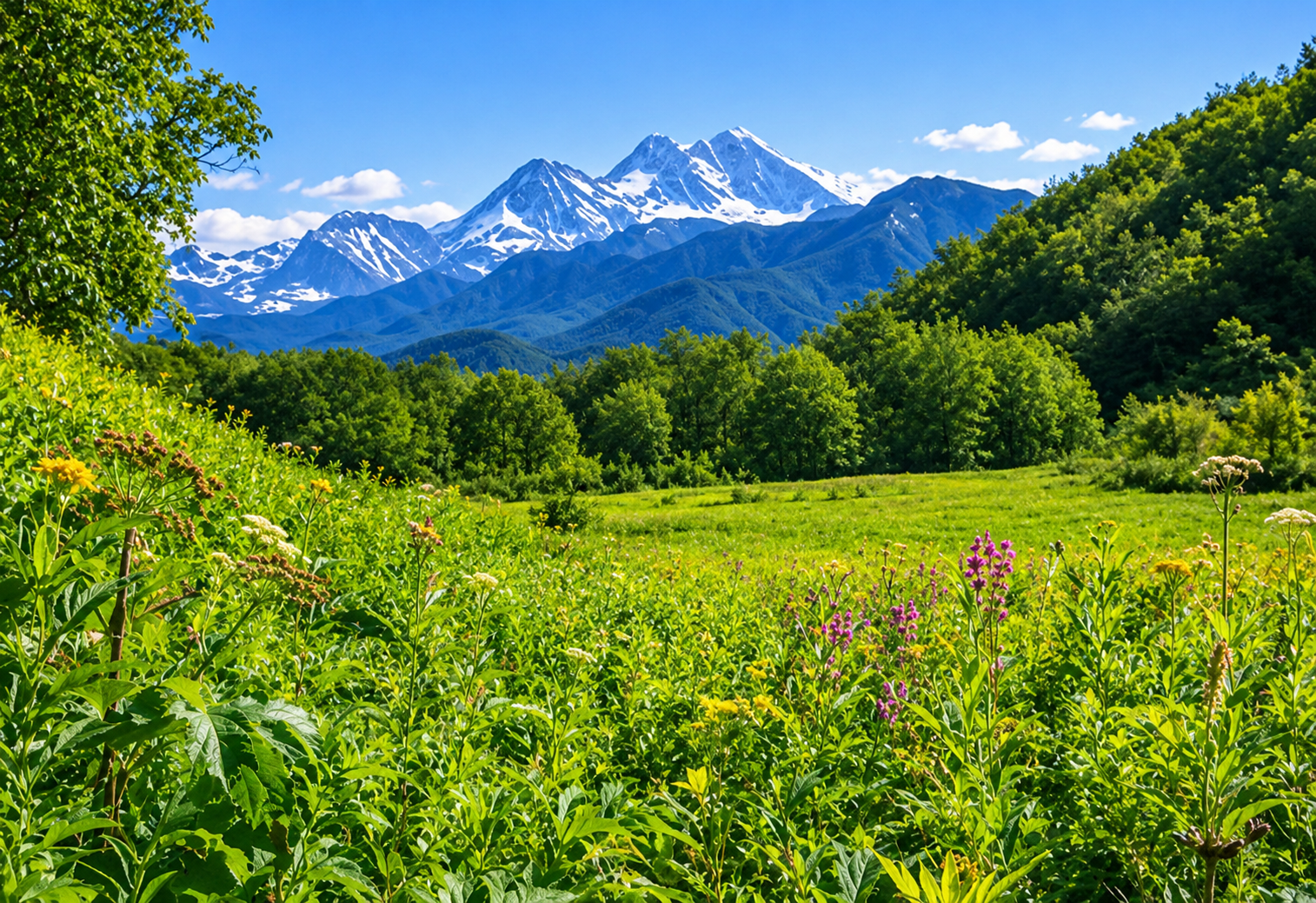
Rich Flora and Scientific Interest
Azerbaijan's plants have long attracted botanists, dendrologists, geobotanists and palynologists. Researchers of the 19th and 20th centuries studied the flora of the Caucasus, among them Ya. S. Medvedev, D. I. Sosnovsky and L. F. Mlokosevich. Their work laid the groundwork for nature protection, landscaping and ecotourism programs.
Where to See Azerbaijan's Nature
Nature lovers can head to Guba, Gabala, Gakh, Gusar, Lankaran and Shusha. Spring and early summer are the best time to travel, when most plants bloom.
FAQ
How many climate zones does Azerbaijan have? Nine of the world's eleven, by a widely used classification.
What is the Kharibulbul? A rare orchid, Ophrys caucasica, and a symbol of Shusha and Karabakh.
Where does the Eldar pine grow? Natural stands are in the Eldar steppe in the west of the country.
Comments (0)
Leave a Comment