Azerbaijan is a country where traditions and craftsmanship have been passed down from generation to generation, preserving the memory of the past and the character of its people. For centuries, local artisans have created objects that were not only part of everyday life but also true works of art. Carpets, copperware, silk scarves, wood carving, and stone craftsmanship all developed under the influence of ancient trade routes, cultural exchanges, and the rich history of the region.
During the time of the Silk Road, Azerbaijan played an important role as a crossroads between East and West. Caravans passing through the Caucasus carried not only goods but also ideas, technologies, and artistic traditions. As a result, many Azerbaijani crafts absorbed elements of Persian, Turkic, Arab, and Caucasian cultures, eventually forming unique artistic styles that are still recognizable today.
One of the most famous symbols of Azerbaijani craftsmanship is carpet weaving. Azerbaijani carpets are known around the world for their intricate ornamentation, natural dyes, and high quality. Historically, each region of the country developed its own distinctive style. Carpets from the Guba region were known for their complex geometric patterns, Karabakh carpets often featured rich colors and floral motifs, while Shirvan carpets were admired for their delicate compositions and elegant details.
In Azerbaijani culture, a carpet was never simply a decorative object. It represented family history, traditions, and even the worldview of the people who created it. In many families, carpets were passed down through generations as valuable heirlooms. The process of weaving a single carpet could take several months or even years. Even today, in some regions of the country, visitors can see artisans weaving carpets by hand using traditional looms and natural wool.
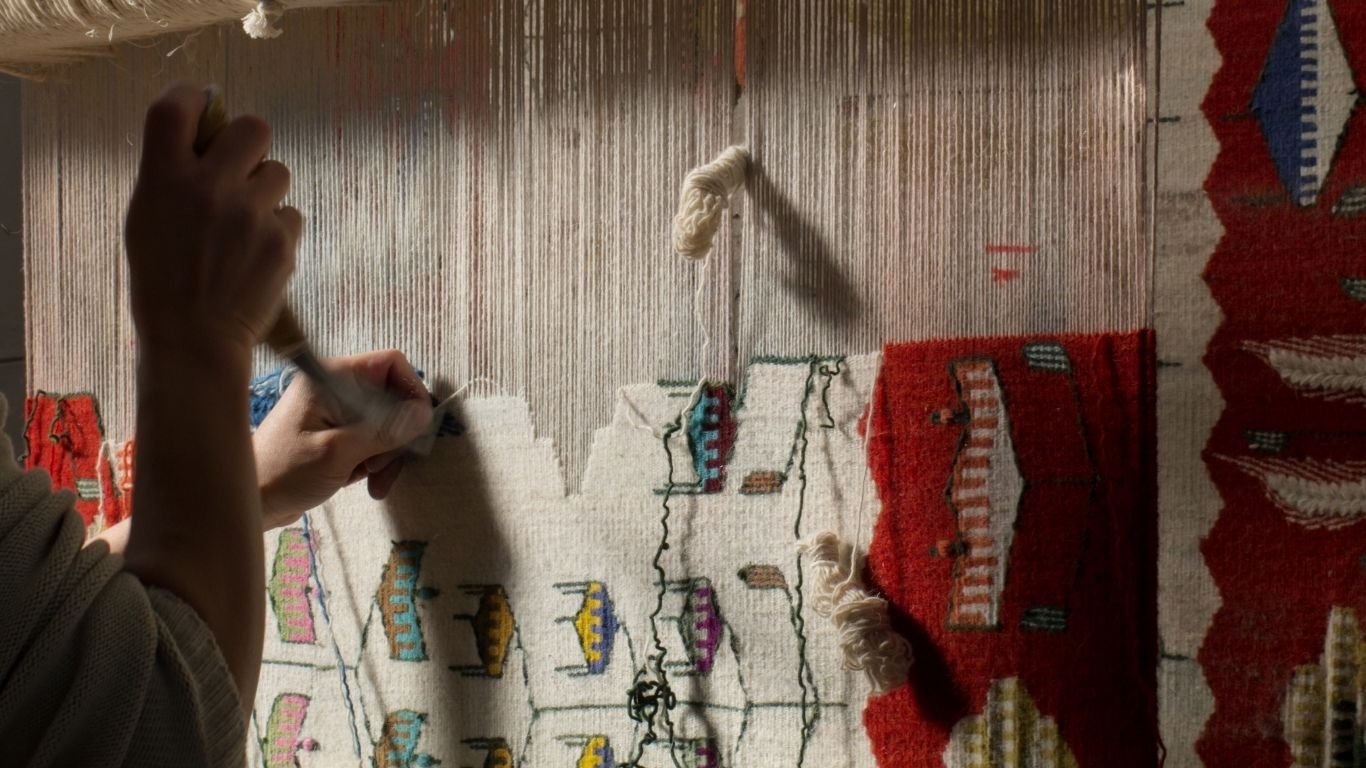
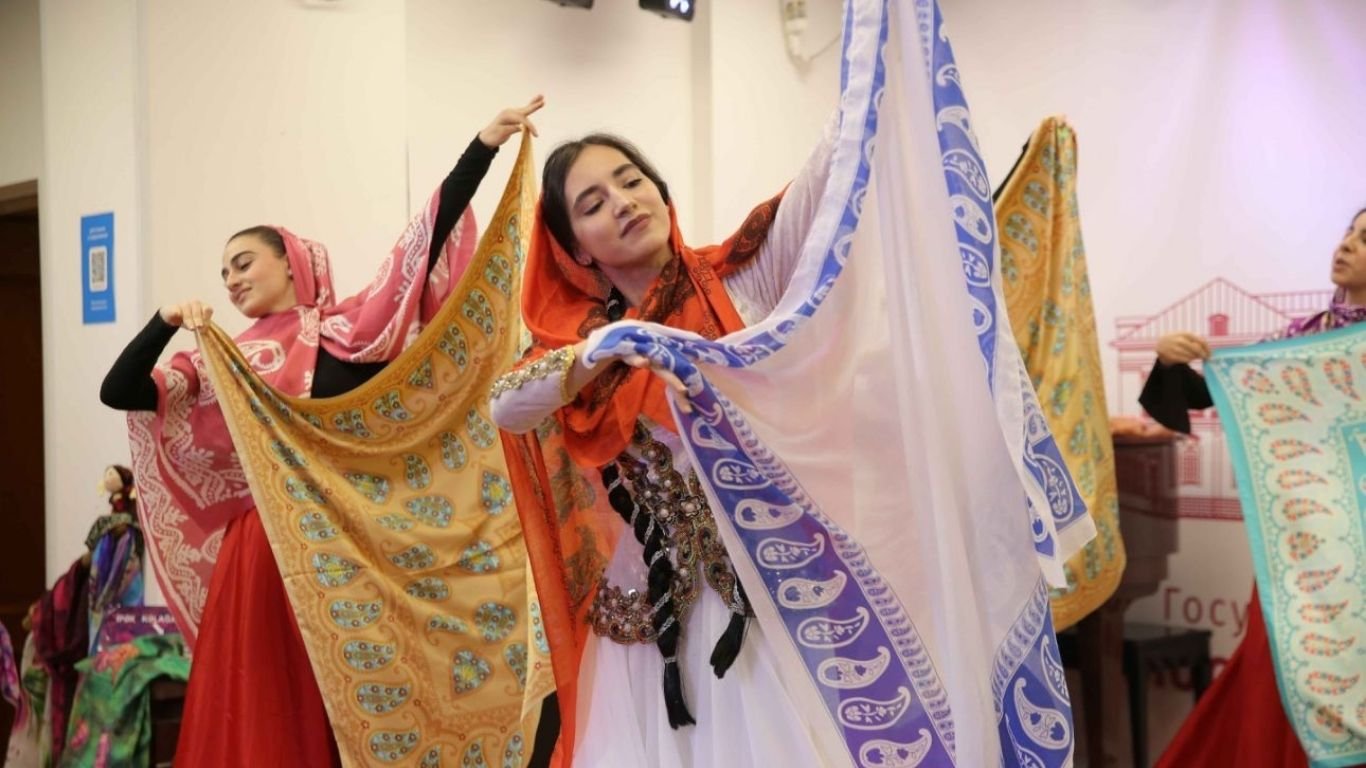
Another important craft in Azerbaijan is silk production. The city of Sheki has long been known as one of the historic centers of silk production in the Caucasus. For centuries, mulberry trees were cultivated here, silkworms were raised, and fine fabrics were produced. One of the most famous traditional products is the kelaghayi — a delicate silk scarf worn by women.
Kelaghayi scarves are made from natural silk and decorated with intricate patterns created using special wooden stamps. Each ornament carries symbolic meaning. Some patterns represent happiness, others symbolize fertility, harmony, or protection. In the past, these scarves were an important part of traditional clothing and could even indicate a woman’s age or marital status.
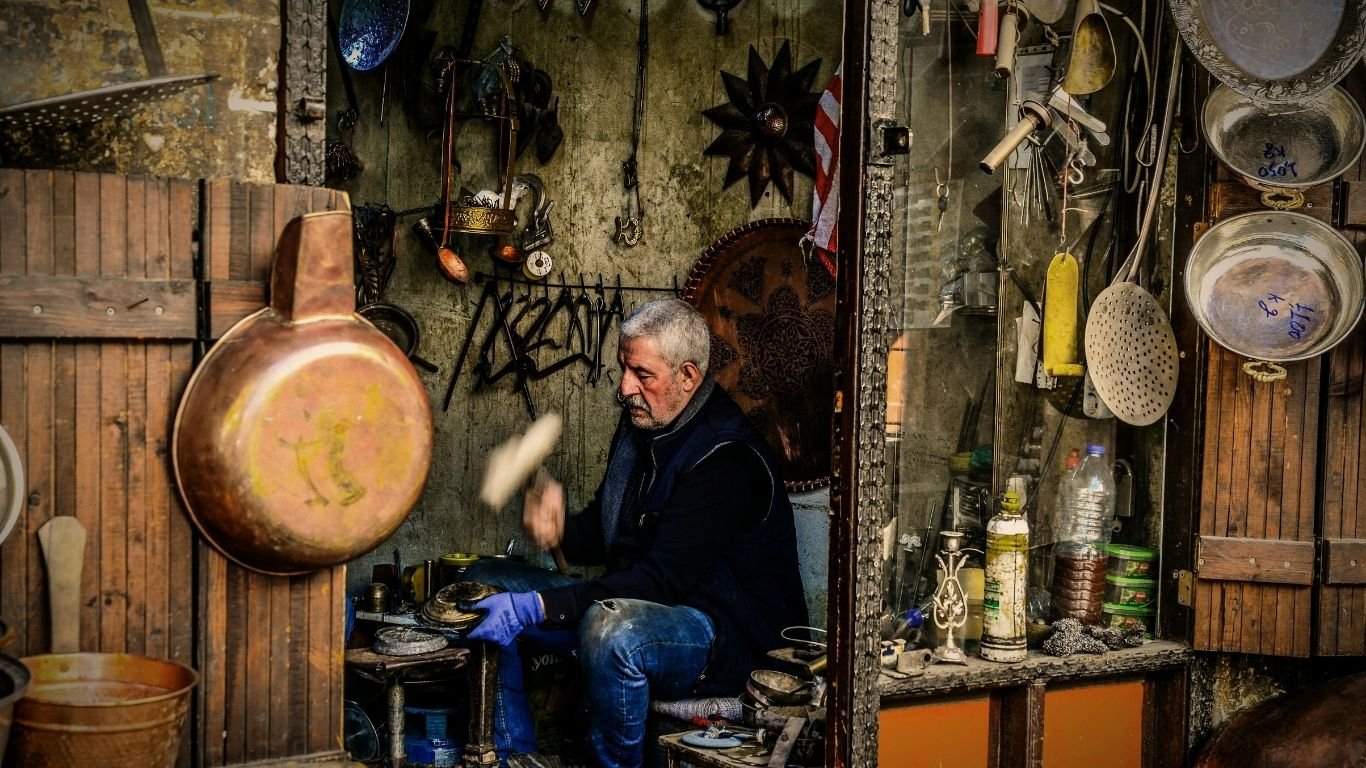
Copper craftsmanship is another ancient tradition in Azerbaijan. In historic cities and artisan quarters, masters created beautifully engraved copper plates, pitchers, trays, and teapots. These objects were valued not only for their beauty but also for their durability, which allowed them to be passed down through generations.
One of the places where visitors can still witness this craft is the mountain village of Lahij. Walking through its narrow stone streets, travelers can hear the sound of metal being shaped by artisans who continue to create copperware using centuries-old techniques.
Wood and stone carving also occupy a special place in Azerbaijani art. Craftsmen decorated homes, palaces, and religious buildings with elaborate ornamental designs, creating intricate decorative elements. Many historic buildings still display beautifully carved doors, balconies, and architectural details that demonstrate the remarkable skill of traditional artisans.
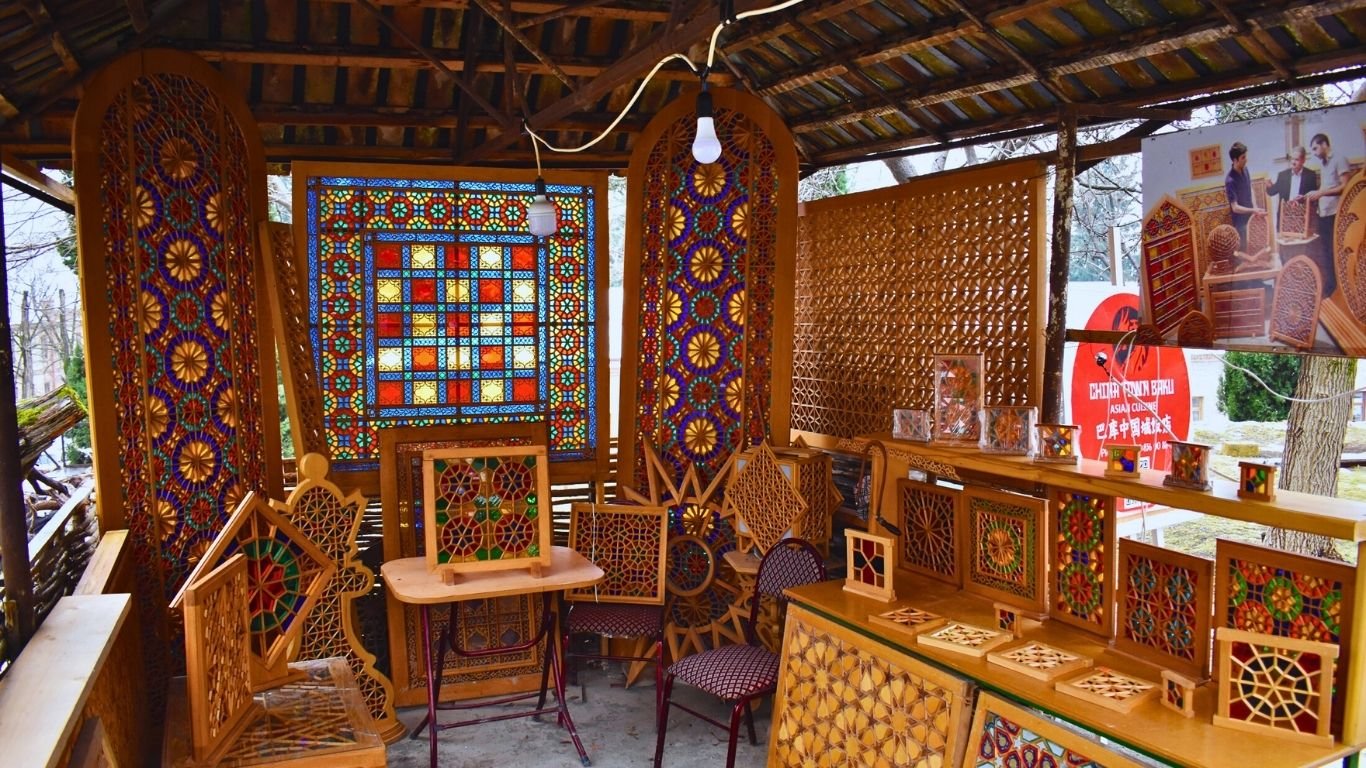
Another remarkable craft is shebeke, a unique form of decorative art in which small wooden pieces are assembled without nails or glue to create geometric lattice structures filled with colorful glass. One of the most famous examples of this technique can be seen in the windows of the Palace of the Sheki Khans, where thousands of tiny glass pieces form stunning mosaic-like patterns.
Many traditional crafts of Azerbaijan have survived for centuries because they remained an essential part of everyday life. Even today, in different regions of the country, artisans continue to work using ancient techniques passed down through generations. Travelers visiting Azerbaijan often discover that exploring craft workshops and artisan villages becomes one of the most memorable and authentic experiences of their trip.
Markets, craft quarters, and small workshops allow visitors to see how carpets, silk scarves, and copper items are created by hand. These are not simply souvenirs — they are pieces of culture and history embodied in handmade objects.
For travelers, discovering the traditional crafts of Azerbaijan is also a way to understand the spirit of the country. Each handmade object carries the patience, skill, and artistic vision of craftsmen who have preserved their knowledge for centuries.
This is why traditional crafts in Azerbaijan continue to live today — not as museum relics, but as a vibrant and living part of the country’s cultural heritage, connecting the past, present, and future.
Comments (0)
Leave a Comment