An Azerbaijani wedding is much more than a celebration or a single evening event. In Azerbaijani culture, weddings have always been considered one of the most important moments in family life, bringing together relatives, neighbors, friends, and entire generations. That is why wedding traditions in Azerbaijan still remain a major part of the country’s cultural identity, even in modern life.
Today, many families in Baku and across the regions of Azerbaijan continue to follow traditional wedding customs passed down for centuries. Some rituals have become more symbolic over time, while others have survived almost unchanged.
This combination of ancient traditions and modern celebrations is exactly what makes Azerbaijani weddings so unique and memorable for both locals and travelers.
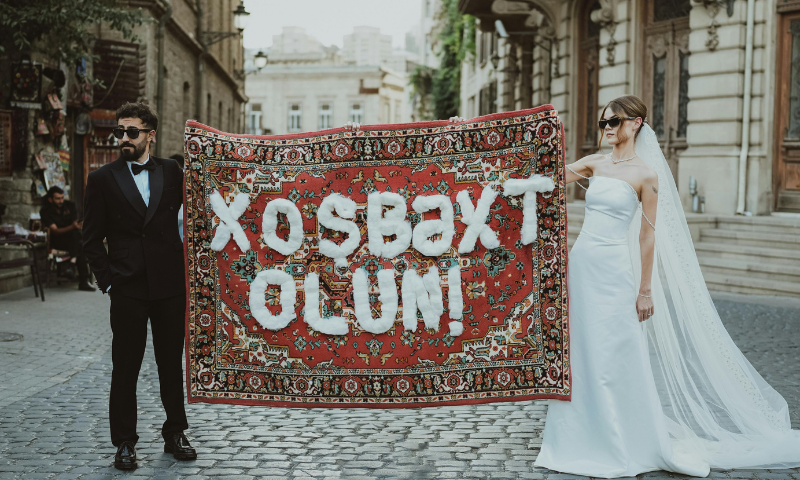
Elçilik (el-chee-LEEK) — The Traditional Matchmaking Ceremony
One of the oldest and most important Azerbaijani wedding traditions is “Elçilik” (el-chee-LEEK), the traditional matchmaking ceremony.
Historically, marriage in Azerbaijan was never seen as a union between only two people. The relationship between families played a central role, which made formal introductions and family approval extremely important. During “Elçilik,” the groom’s family visits the bride’s home to officially ask for her hand in marriage. Usually, respected elders and older relatives participate in the meeting. The gathering traditionally takes place over tea and conversation in a calm and respectful atmosphere. In older traditions, the bride’s family would not always give an immediate answer. Sometimes matchmakers visited several times, as this demonstrated seriousness, patience, and respect.
Even today, many Azerbaijani families continue to preserve elements of “Elçilik,” especially outside major cities.
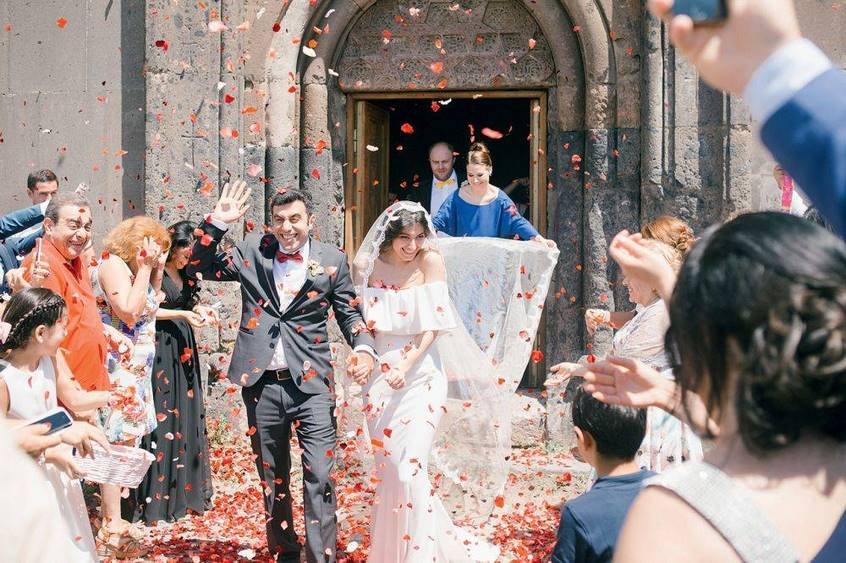
Nişan (nee-SHAN) — The Azerbaijani Engagement Ceremony
After the matchmaking ceremony comes “Nişan” (nee-SHAN), the official engagement.
This is one of the most elegant and symbolic pre-wedding traditions in Azerbaijan. During the engagement, the groom’s family brings gifts to the bride’s home, including sweets, jewelry, fabrics, perfumes, and items intended for the couple’s future life together. The exchange of rings is one of the central moments of the ceremony. After “Nişan,” the couple is officially considered engaged, and preparations for the wedding begin.
Today, engagement ceremonies are often held in restaurants or event halls, but the tradition itself remains deeply important in Azerbaijani culture.
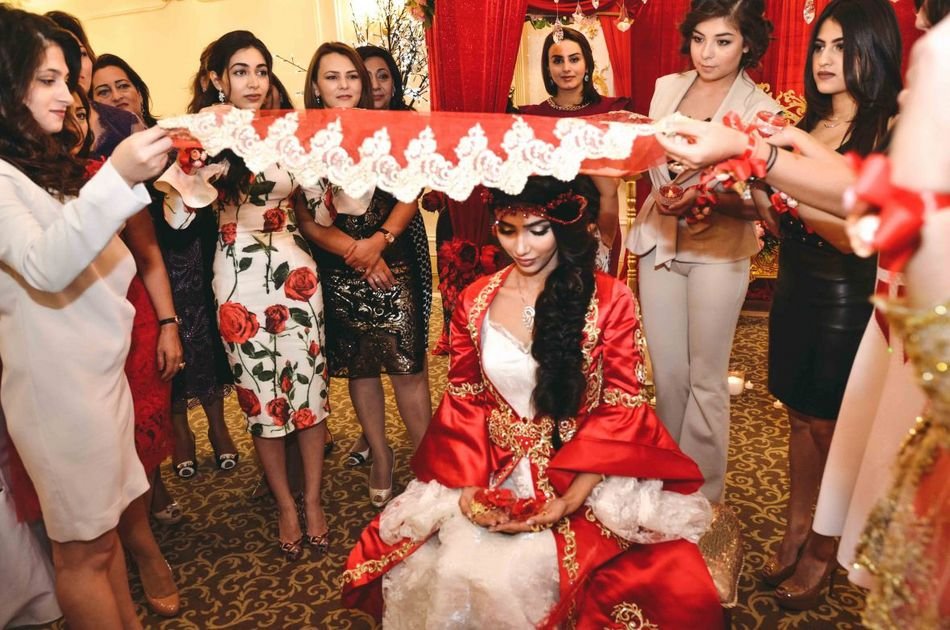
Xınayaxdı (khi-na-yakh-DUH) — The Henna Night Tradition
One of the most emotional and visually beautiful Azerbaijani wedding traditions is “Xınayaxdı” (khi-na-yakh-DUH), known as the henna night ceremony.
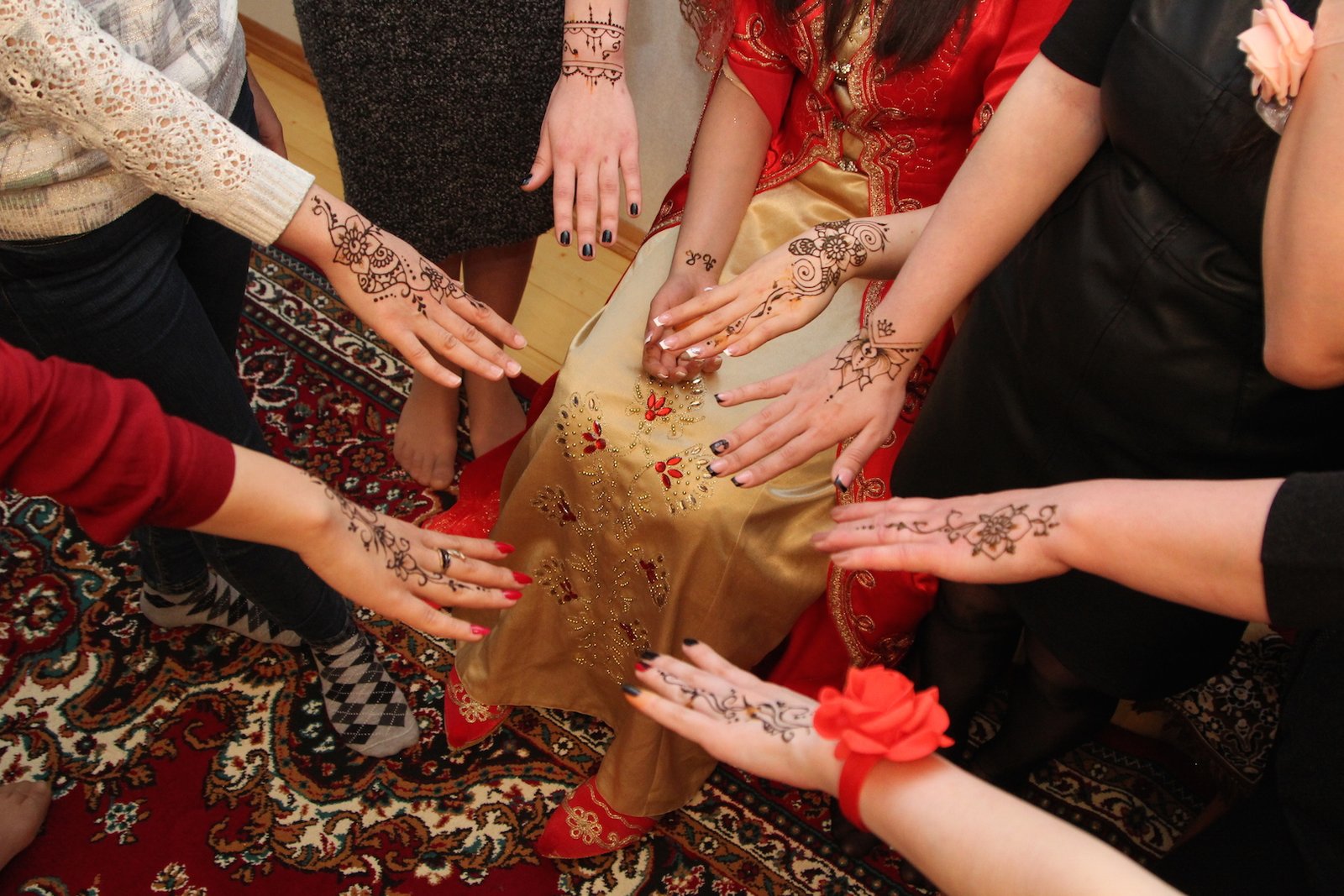
This ritual usually takes place a few days before the wedding and traditionally gathers the bride’s female relatives, close friends, and family members. The central symbol of the evening is henna, which is applied to the bride’s hands while traditional Azerbaijani wedding songs and national music are performed. Historically, “Xınayaxdı” symbolized the bride saying goodbye to her family home before beginning a new chapter of life. Because of this meaning, the atmosphere is often both joyful and emotional at the same time.
Even modern weddings in Baku frequently include this tradition, combining ancient customs with contemporary music and decoration styles.
The Red Ribbon Tradition
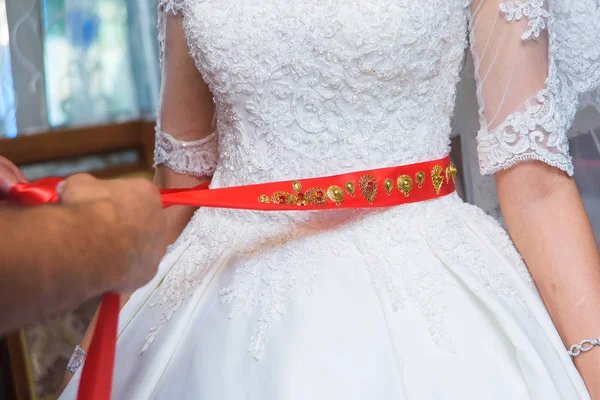
Another old Azerbaijani wedding custom involves the red ribbon ceremony.
Traditionally, before the bride left her family home, her brother or a close male relative tied a red ribbon around her waist. The ribbon symbolized purity, happiness, protection, and wishes for a successful married life.
Although this ritual is less common in modern urban weddings, it is still preserved in many regions of Azerbaijan.
Music and Dance at Azerbaijani Weddings
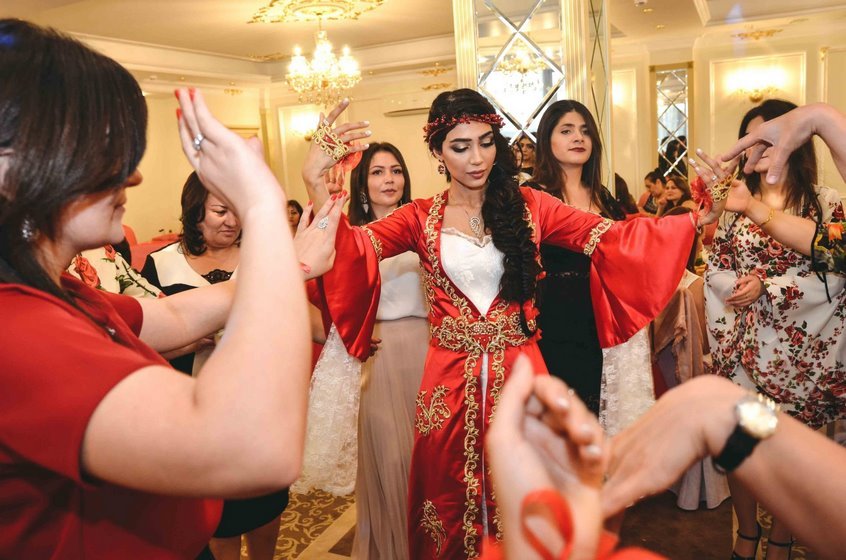
Music plays a central role in Azerbaijani wedding culture.
It is almost impossible to imagine a traditional Azerbaijani wedding without live music, national songs, dancing, and large celebrations. Traditional mugham music, recognized by UNESCO as part of the world’s intangible cultural heritage, is often performed during weddings. One of the most recognizable wedding dances is “Yallı” (yal-LUH). This ancient group dance is performed by people standing together in a circle or line while moving in rhythm as one group. The dance symbolizes unity, family connection, and shared celebration.
Even modern weddings in Baku usually preserve a strong connection to traditional music and dance while mixing them with contemporary entertainment.
Azerbaijani Cuisine as Part of Wedding Culture
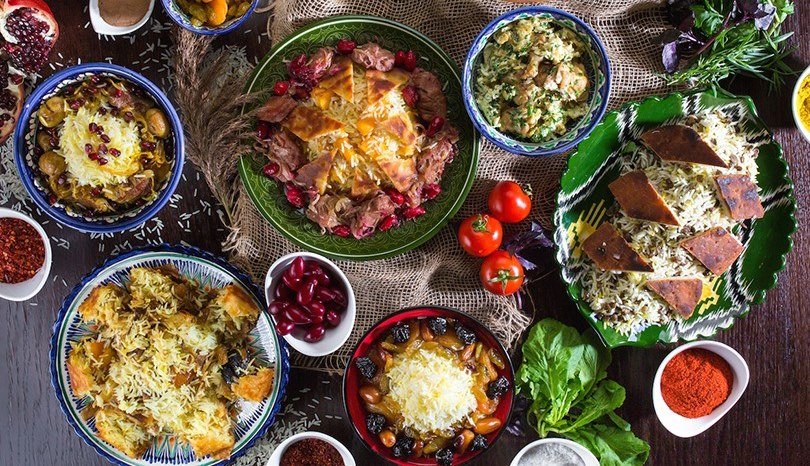
Food has always been one of the most important parts of Azerbaijani weddings.
Traditional wedding tables are filled with dozens of dishes, desserts, fruits, tea, and national specialties. Hospitality is considered one of the highest cultural values in Azerbaijan, and weddings reflect this especially strongly. One of the main dishes served at Azerbaijani weddings is Azerbaijani plov, which is often presented toward the end of the celebration as the centerpiece of the feast.
Guests may also find dolma, kebabs, qutab, pakhlava, and shekerbura on the table — all important parts of Azerbaijani cuisine and festive culture.
Modern Weddings in Azerbaijan
Today, Azerbaijani weddings continue to evolve under the influence of modern trends and international styles.
In Baku, many weddings now feature modern décor, professional photography, luxury venues, and European-style ceremonies. However, even the most contemporary celebrations usually keep elements of traditional Azerbaijani culture. This balance between old customs and modern life is what makes weddings in Azerbaijan feel so unique.
Ancient rituals, national music, family traditions, and modern city culture all exist together within the same celebration.
Comments (0)
Leave a Comment