Baku can never be called completely Eastern or completely European. Here, minarets stand next to baroque palaces, ancient caravanserais coexist with glass skyscrapers, and the narrow streets of the medieval city lead into wide avenues that resemble Paris. That is why Baku is often described as the place where East and Europe met in the most natural way.
Geography played the main role in this story. Baku is located on the shores of the Caspian Sea, at the crossroads between Europe, Asia, Russia, Iran, and the Middle East. Trade routes passed through these lands for centuries, and with the caravans came new languages, traditions, goods, and ideas. For many centuries, the city became a place where people of different cultures learned to live side by side.
Ещё во времена Великого шёлкового пути Баку был не просто остановкой для купцов. Он стал местом встречи миров. Здесь можно было услышать Back in the days of the Silk Road, Baku was not simply a stop for merchants. It became a meeting point of worlds. Persian speech, Turkic dialects, Russian, Armenian, Georgian, Arabic, and the languages of European traders could all be heard here. In the caravanserais of Baku, people from distant countries spent the night, and the city gradually absorbed everything travelers brought with them.
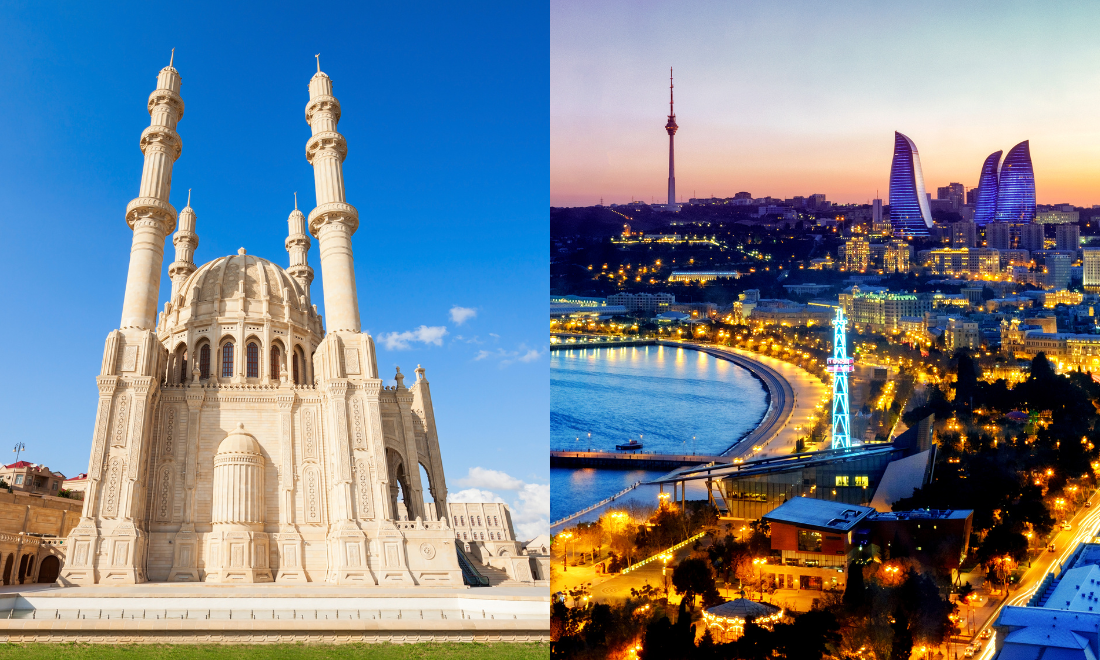
The real transformation of Baku came in the late nineteenth and early twentieth centuries, when the city experienced its oil boom. Baku’s oil attracted entrepreneurs, engineers, and architects from across Europe. Magnificent mansions, theatres, banks, and boulevards appeared in the city, built in the style of European capitals.
It was during this period that the streets of Baku gained the buildings that still make the city unlike any other in the region. The luxurious Nobel brothers’ residence, the mansions of oil magnates, and buildings designed in Art Nouveau, Neo-Gothic, and classical styles created the feeling of Europe. Yet beside them remained Eastern quarters, old mosques, bazaars, and traditional homes with inner courtyards.
This contrast can best be felt in Baku Old City. Walking through its narrow stone streets feels like entering the East: ancient walls, carpets hanging from balconies, the scent of spices, and tea served in armudu glasses. But once you leave the fortress gates, the city changes. Wide avenues, European-style buildings, and the seaside boulevard belong to a different era entirely.
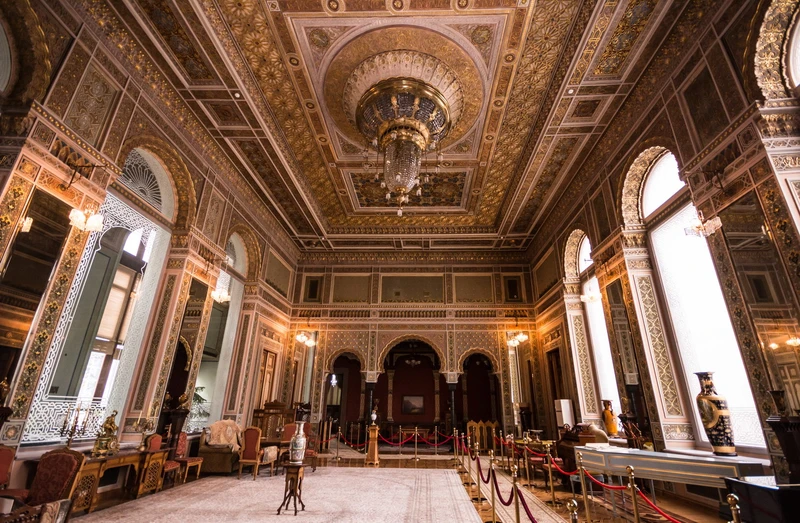
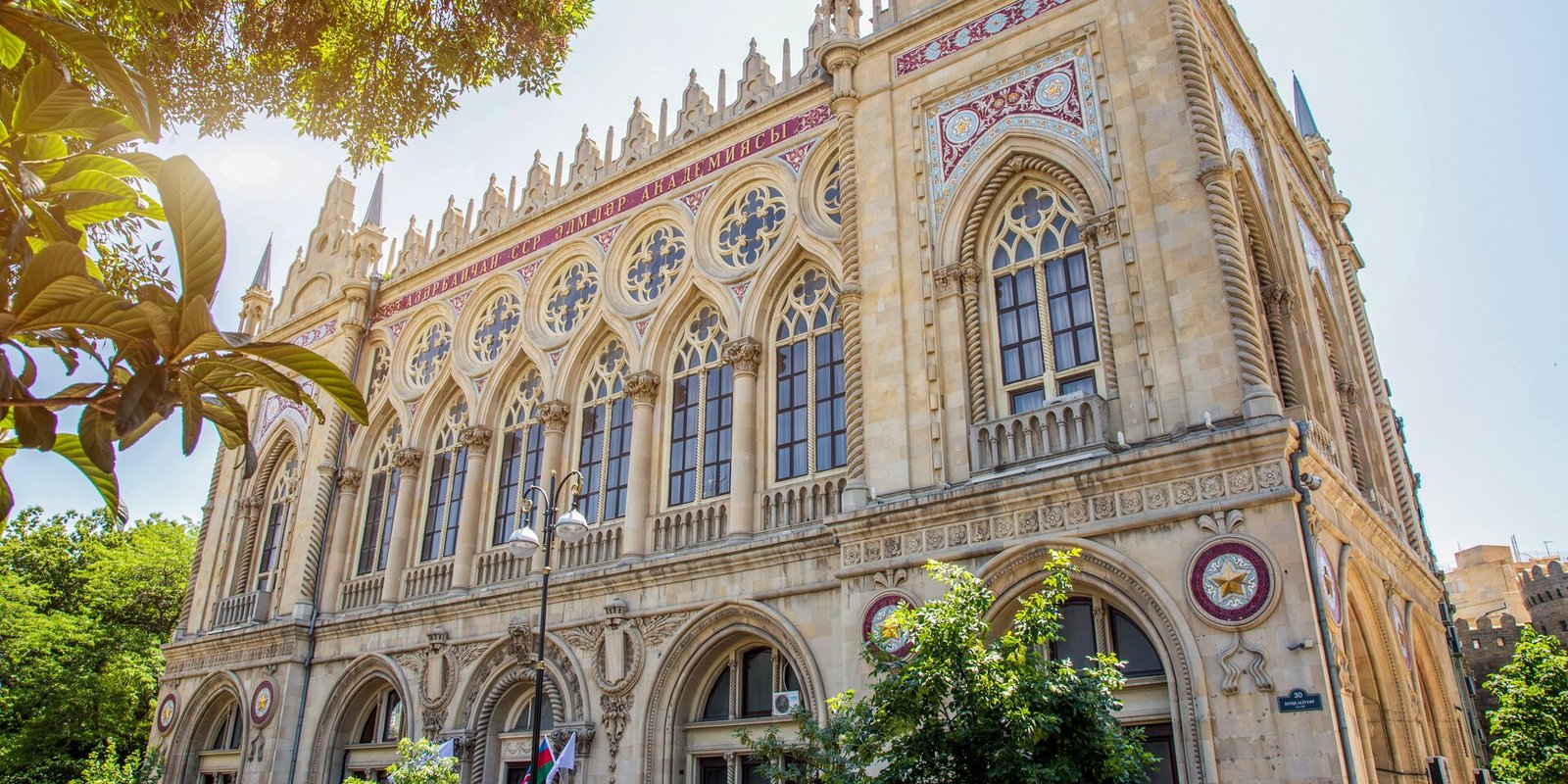
One of the main symbols of this meeting between East and Europe is Ismailiyya Palace. It was built in the Venetian Gothic style, yet it stands in the heart of an Eastern city. Nearby, old mosques and caravanserais remind visitors that in Baku, one culture never replaced another.
Even everyday life in Baku combines these two traditions. You can begin the morning with an Eastern breakfast of tea, cheese, jam, and fresh tandoor bread, then spend the evening in a café that feels more like a European coffee house. People in Baku switch easily from one language to another, love both Eastern music and jazz, and combine family traditions with the rhythm of a modern city.
It is no coincidence that Baku developed its own unique architectural style. It can be seen in old balconies, stone facades, elegant staircases, and early twentieth-century houses. European forms here were never simply copied from Paris or Vienna; they were always blended with local ornaments, Eastern patterns, and the southern character of the city.
Today, Baku remains a place where East and Europe meet every day. This can be seen in its modern architecture, in its people, in its music, in its food, and even in the mood of the city itself. It is impossible to draw a clear line between the two worlds here, because in Baku they have long become one.
Comments (0)
Leave a Comment