There are cities associated with the sea, mountains, or history. Baku has another defining feature — the wind. It is such a familiar part of the city that Baku has long been called the “City of Winds.” For local people, this is not just a poetic phrase. The wind affects everyday life, architecture, and even the way people talk about the weather.
In Baku, the wind has names. The two best-known are Khazri and Gilavar. Everyone who grew up in the city knows these names.
Khazri is the northern wind. It is usually cold and strong, and it can appear at any time of the year. In winter, Khazri brings cold air from the Caspian Sea, while in summer it makes the weather noticeably cooler. Sometimes it becomes so strong that it is difficult to walk along the streets, and large waves rise on the waterfront.
The name “Khazri” comes from the old name of the Caspian Sea — the Khazar Sea. This wind has been known for centuries. Fishermen and sailors always paid attention to it because a strong northern wind could quickly change the conditions at sea.
Because of Khazri, Baku developed in a special way. The old houses in Icherisheher have narrow streets, inner courtyards, and thick stone walls. All of this helped protect people from the wind. In many homes, the windows faced the courtyard rather than the street so that the rooms would be warmer and quieter.
If Khazri brings cold weather, Gilavar is considered its opposite. It is the southern wind, usually warm and mild. Gilavar most often appears in spring and autumn. When it arrives, the city becomes warmer, the air more humid, and the weather calmer.
According to one version, the name “Gilavar” is connected with the Iranian region of Gilan, located on the southern coast of the Caspian Sea. People believed that this warm wind came from there.
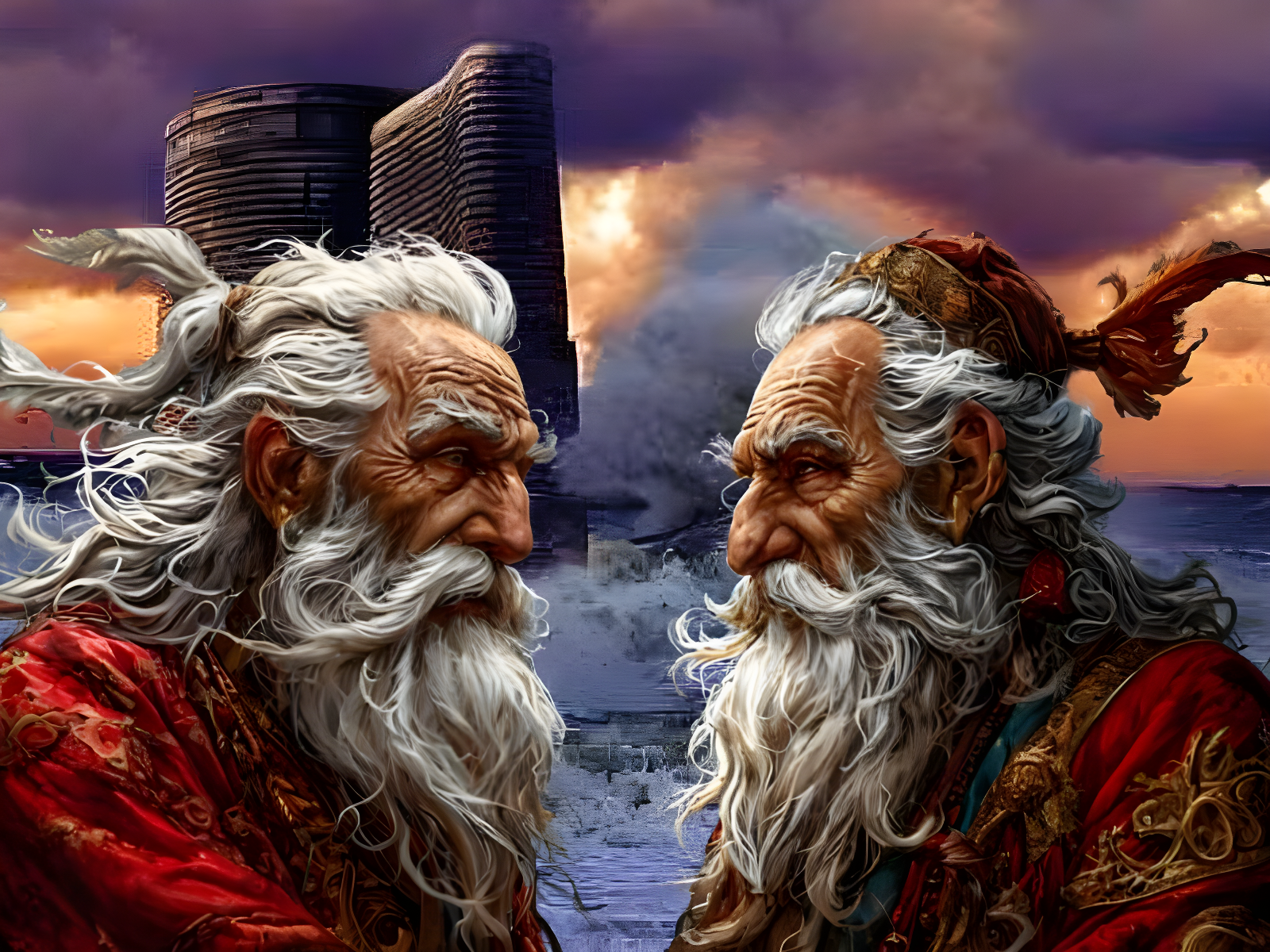
People in Baku often talk about the wind as if it were a person they know. You can hear expressions such as “Today it’s Khazri” or “Gilavar has arrived.” From these words alone, everyone understands what the weather will be like and how they should dress.
The wind in Baku influences not only the streets, but also everyday life. Many people are used to carrying a light jacket or scarf because the weather can change quickly. Even in summer, it can become cool in the evening if Khazri begins to blow.
The wind is especially noticeable by the sea. Along the Baku Boulevard and the Caspian coast, it feels much stronger than in other parts of the city. Sometimes the wind is light and refreshing, and sometimes it becomes so strong that the sea turns rough.
Some historians believe that the name “Baku” itself comes from the Persian word “Badkube,” which can be translated as “the place where the wind blows” or “the city beaten by the wind.”
Today Baku has changed greatly: there are modern buildings, wide roads, and new districts. But the wind has remained the same. It still comes from the sea, passes through the streets of the Old City, and reminds people why Baku has been called the City of Winds for centuries.
Comments (0)
Leave a Comment