Aliagha Vahid: The Soul of Azerbaijani Poetry
 |
20 May 2025
|
20 May 2025

Aliagha Vahid was a prominent Azerbaijani poet and writer, whose name is forever linked with two significant poetic forms: meykhana and ghazal. Born into a modest family, he rose from working-class roots to become one of the most revered voices in Azerbaijani literature.
What is Meykhana, and Why is Aliagha Vahid Its Pioneer?
Meykhana is a unique form of Azerbaijani oral folk poetry, rooted in improvisation and rhythmic wordplay. Often compared to modern-day freestyle rap, this genre involves multiple poets engaging in a lyrical dialogue. Each participant builds upon the lines of others, and the final, most expressive couplet is echoed by all.
Aliagha Vahid was the first to elevate meykhana from a street performance to a refined literary art. His verses blended satire, philosophy, and everyday wisdom, making the genre an integral part of Azerbaijan’s cultural heritage.
The Master of Ghazals — Vahid’s Eastern Lyrical Voice
In addition to meykhana, Vahid gained wide acclaim for his ghazals — lyrical poems traditionally composed of seven couplets with a repeating refrain. This classical genre of Eastern poetry was reimagined by Vahid, who made it relatable to contemporary society. His ghazals explored themes of love, loneliness, reflection, and the beauty of the natural world.
A Poetic Monument in the Heart of Icherisheher
Wandering through the atmospheric lanes of Icherisheher — Baku’s Old City — you’ll come across an extraordinary monument dedicated to Aliagha Vahid. Created by sculptor Rahib Gasanov and architect Senan Salamzade, the bust of Vahid includes figures from his own poems. This unique artistic concept captures the essence of Vahid’s works and his identity as a poet — a fusion of creator and creation.
From Humble Beginnings to Literary Greatness
Aliagha Vahid was born into a carpenter’s family and spent his early years doing manual labor. He studied for just two years at a madrasah (religious school) before realizing that literature, not religion, would shape his destiny. His turning point came when he joined the literary circle Majme’yush-Shuara, where he was mentored by poets Muniri and Azer Imamaliyev (Buzovnaly).
It was Imamaliyev who gave him the pen name "Vahid" — a word with dual meaning in Azerbaijani: “unique” and “unifying.” The name perfectly reflected the poet’s exceptional ability and broad emotional range.
Influences of the Greats and Love of the People
Vahid was deeply inspired by iconic poets such as Nizami, Fizuli, Nasimi, and Khagani. His poems — particularly his ghazals — spread quickly among the people, passed from home to home. This widespread popularity earned him the affectionate nickname Ghazalkhan — the singer of ghazals.
A Literary Bond with Sergei Yesenin
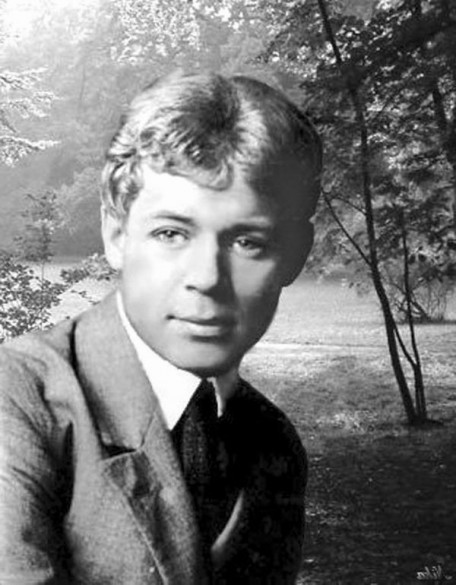
In 1924, during a visit to Baku, renowned Russian poet Sergei Yesenin met Aliagha Vahid in a local chaykhana (teahouse). This chance encounter sparked a poetic friendship. Vahid introduced Yesenin to the intricate rhythms of Azerbaijani folk music, particularly the Bayati-Shiraz mugham, which later influenced Yesenin’s Persian Motifs. Through Vahid, Yesenin caught a glimpse of the East he longed to explore.
A Living Legacy in the Streets of Baku
Aliagha Vahid is not merely a poet — he embodies the spirit of his time and serves as a lyrical reflection of the Azerbaijani soul. His meykhanas are like melodies from the streets, born from the heart. His ghazals are the fine lacework of emotions, woven with elegance and depth.
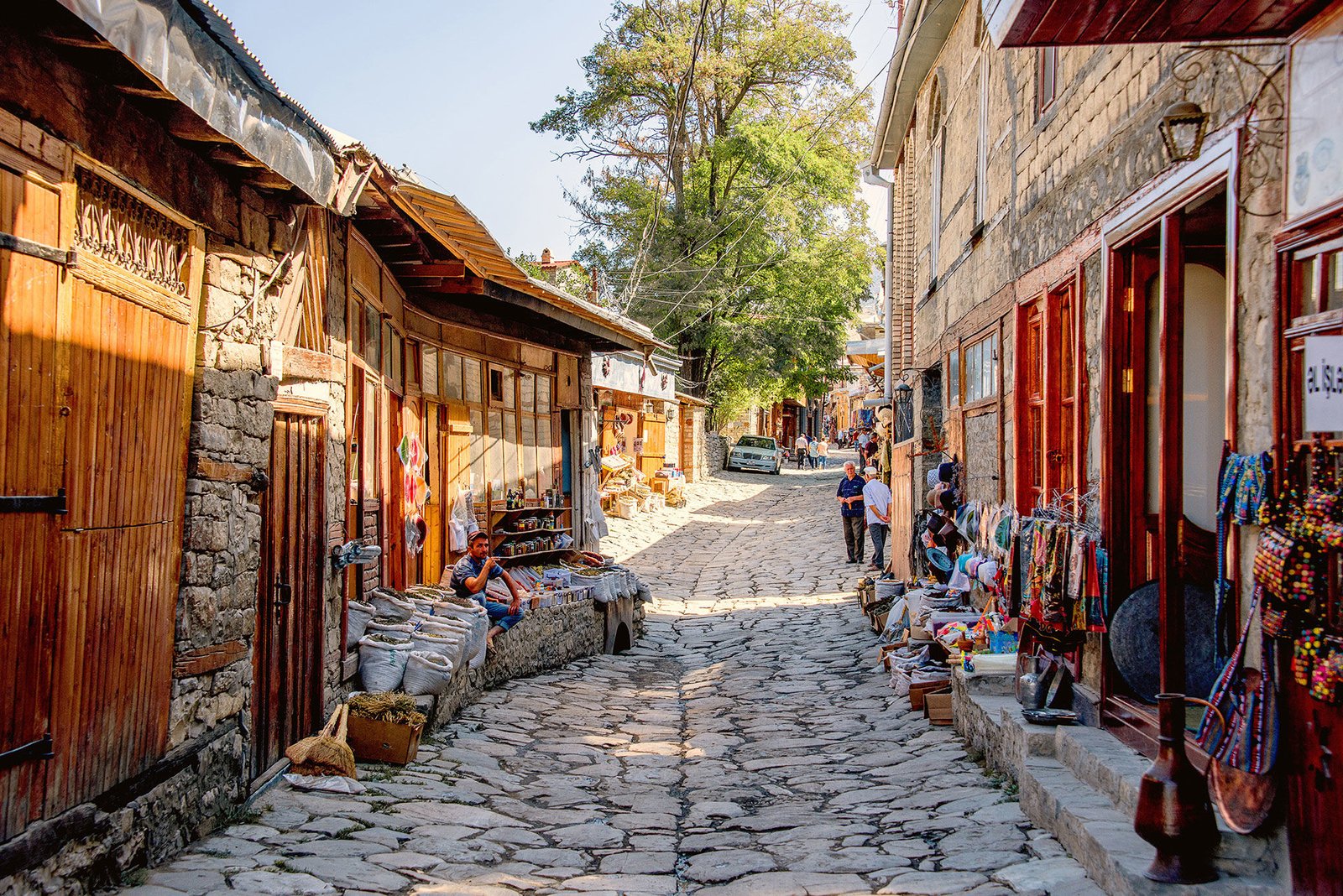
Amid the ancient walls and timeless echoes of Icherisheher, the legacy of Vahid continues to live and breathe. Vahid’s memory still breathes. His monument is not just a tribute — it is a continuation of his poetry in sculptural form. Anyone who pauses before it will feel that Vahid is not confined to bronze. He is in the breeze, in the rhythm of the city, in the poetic soul of Baku.


.jpg)




Comments
No comments yet.
Leave a Comment