The first thing every visitor to Azerbaijan experiences is not only the country's warm hospitality, but also its national currency, the Azerbaijani manat. You will probably use it from your very first minutes: taking a taxi from the airport, buying a hot churek from the tandoor, or having your first coffee in the Old City. But have you ever thought that banknotes are not simply a means of payment, but also a kind of visual encyclopedia of a country?
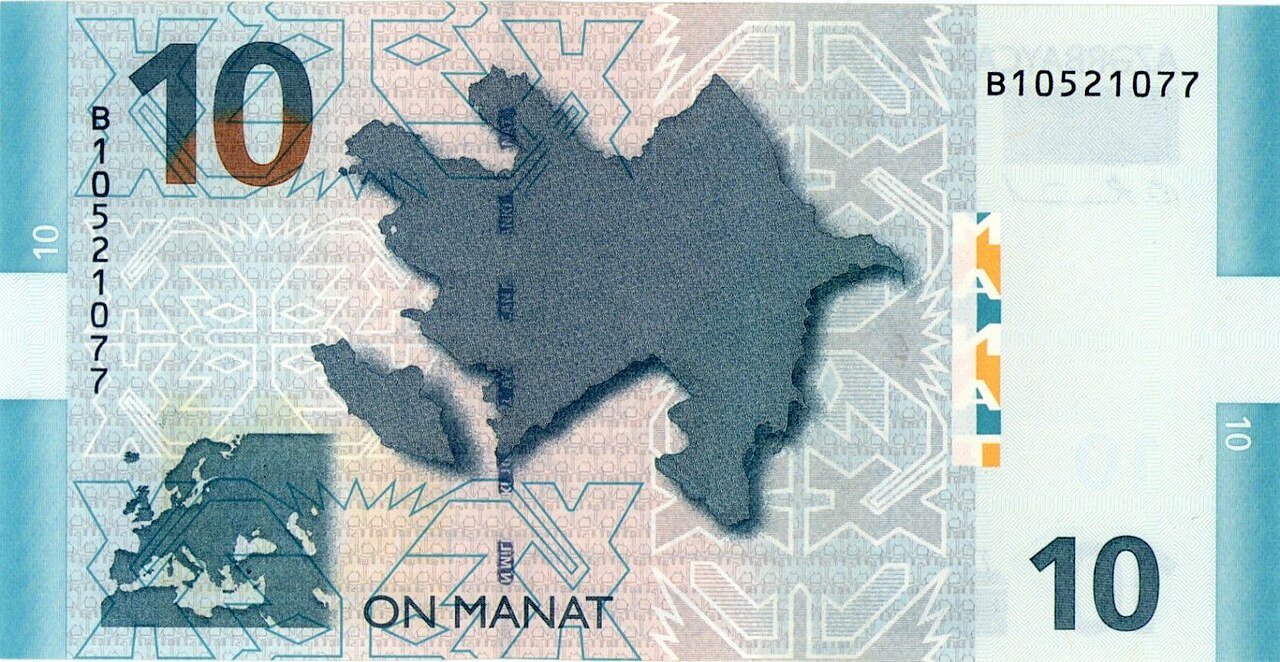
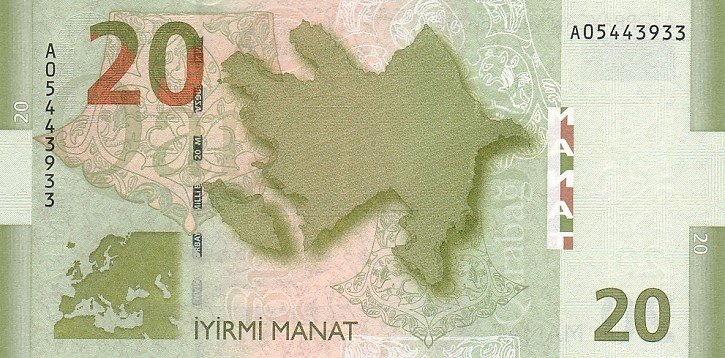
Modern manat banknotes are also cultural objects. Their design was created by the Austrian designer Robert Kalina, known as the designer of the euro banknotes. The new series came into circulation on 1 January 2006, when the country carried out a redenomination: one new manat equals 5,000 old manats. The banknotes follow a style close to the euro, with no portraits of famous people, and the back of every note carries a map of Europe and a map of Azerbaijan as a symbol of the country's integration into Europe. The banknotes were printed by the Austrian company OeBS, and according to reference sources, their technical parameters were developed with the assistance of the Swiss National Bank.
1 Manat: Music and Craft
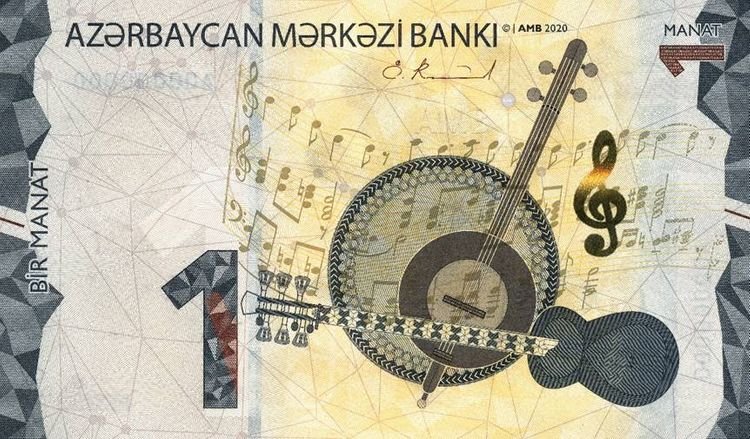
The 1-manat banknote is decorated with traditional musical instruments, the tar, kamancha and daf (gaval), together with musical notes. All of this is set against carpet patterns, a tribute to Azerbaijani music and folk art. On the back are a map of Azerbaijan and a map of Europe against national ornaments.
5 Manat: Literature and Writing
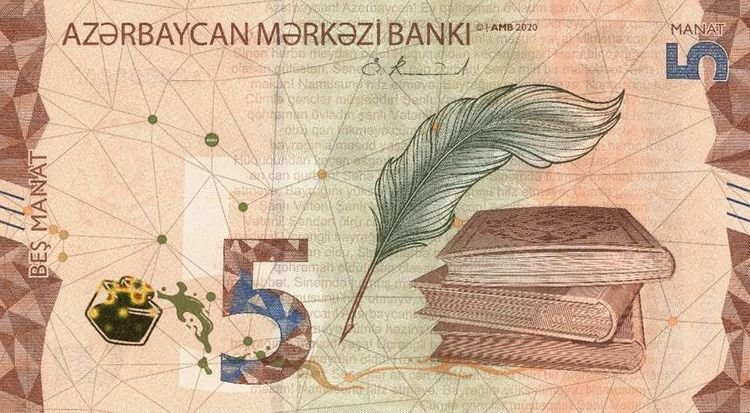
The 5-manat banknote is dedicated to the written word. It shows statues of writers from the facade of the Nizami Museum of Azerbaijani Literature: Fuzuli, Molla Panah Vagif, Mirza Fatali Akhundov, Khurshidbanu Natavan, Jalil Mammadguluzadeh and Jafar Jabbarly, as well as a stack of old books, letters of the modern alphabet and a fragment of the national anthem. On the back are the rock engravings of Gobustan, signs of the Orkhon-Yenisei script and maps.
10 Manat: The Heart of Baku, Icherisheher
The 10-manat note shows Old Baku: the Palace of the Shirvanshahs, the Maiden Tower and the fortress walls, as well as a sailing ship. If you hold a 10-manat note, you are holding a small piece of ancient Baku.
20 Manat: A Symbol of Karabakh
The 20-manat note is in green tones and is dedicated to the theme of Karabakh. It shows symbols of strength (a helmet, a sword and a shield) and the kharibulbul flower, a symbol of peace. It is an orchid (Ophrys caucasica) that has become a symbol of Karabakh and the city of Shusha. The Central Bank introduced the updated design on 10 February 2022.
50 Manat: Science and Knowledge
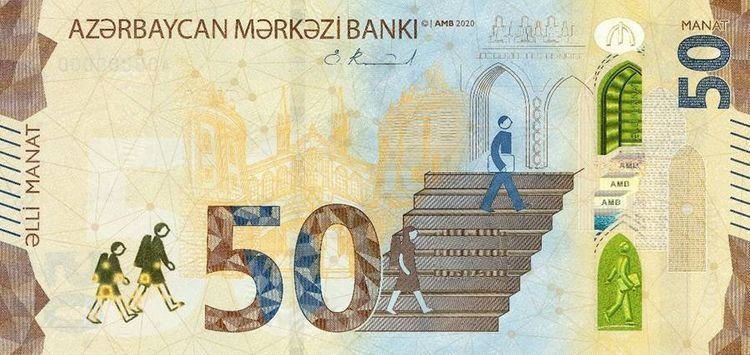
The 50-manat banknote is about science. It shows a young man and steps (a symbol of progress), the sun (a symbol of power and light), and chemical and mathematical signs. It shows that Azerbaijan is not only a country of traditions but also one that moves forward.
100 Manat: Architecture Through the Centuries
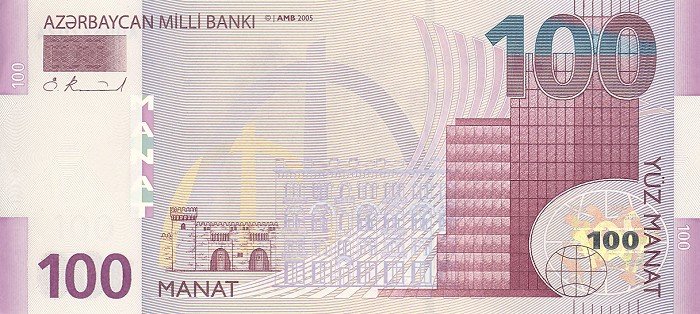
The 100-manat note shows the architectural development of Azerbaijan: the double Gosha Gala gate and modern buildings of Baku together on one note. It connects the past, present and future of the country.
200 Manat: The Heydar Aliyev Center
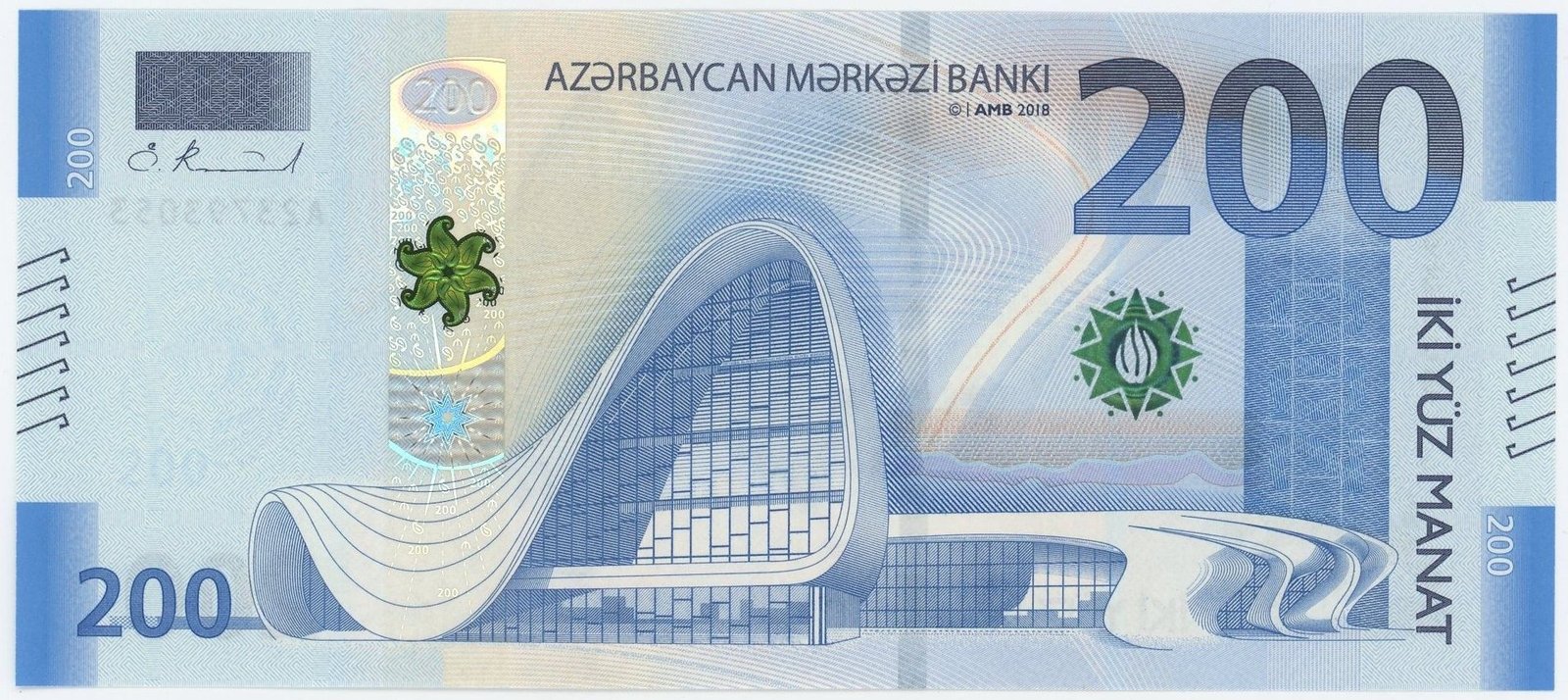
The largest regular-circulation banknote, the 200 manat, was issued in 2018. It features the Heydar Aliyev Center, Zaha Hadid's famous building in Baku, which has become a symbol of the country's modern architecture. Notes of this size are rarely used in everyday payments.
500 Manat: A Commemorative Banknote
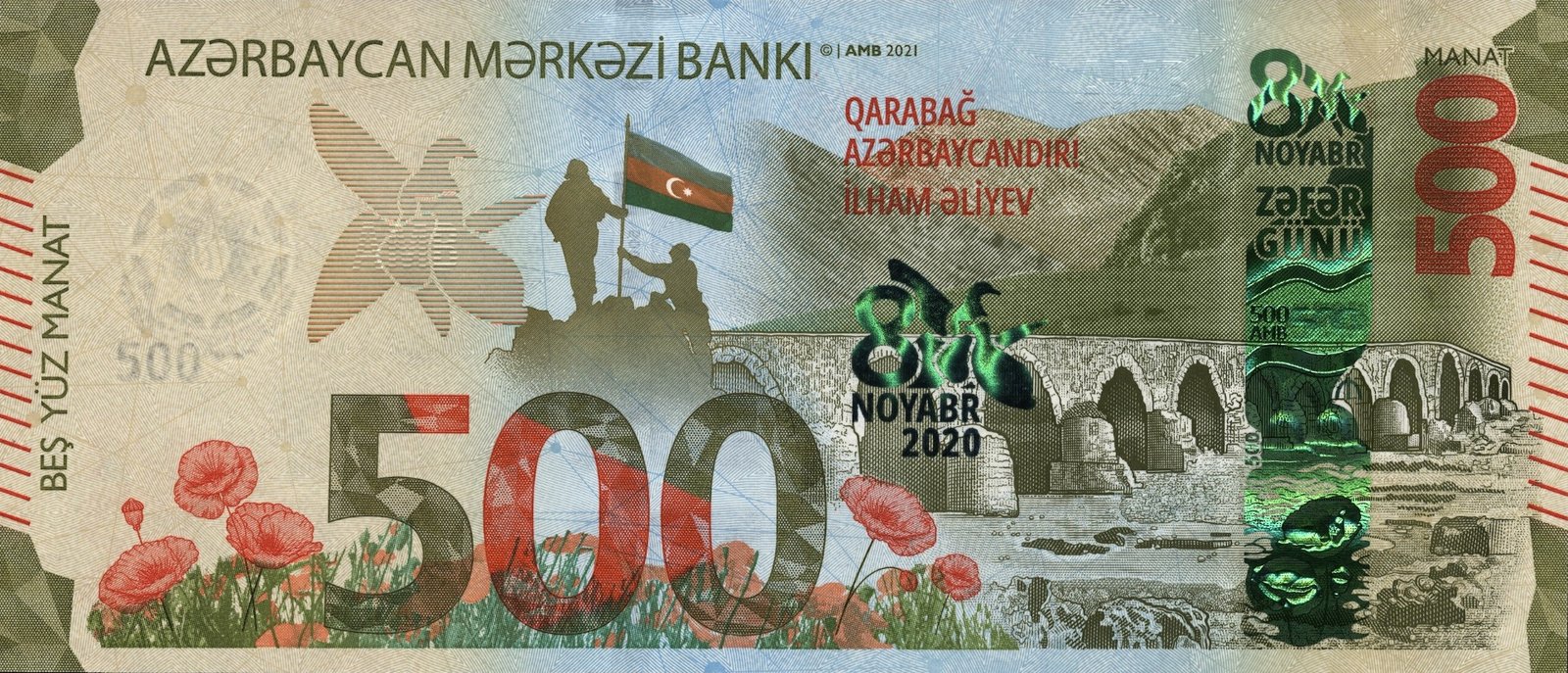
The 500-manat banknote, introduced on 4 November 2021 in a run of 1 million, is a commemorative issue. It marks the first anniversary of Azerbaijan's victory in the 44-day war of 2020, which the country celebrates as Victory Day on 8 November. The conflict over Nagorno-Karabakh began in 1988, and after the 2020 war Azerbaijan regained control of significant territories.
The front shows red tulips, the kharibulbul flower, soldiers with a flag, the medieval Khudafarin Bridge and the words "Karabakh is Azerbaijan!" The back shows the Askeran fortress, the mausoleum of the poet Molla Panah Vagif in Shusha and a map of the country. The note was printed in Germany by Giesecke & Devrient.
What Travelers Should Know
The manat (AZN, symbol ₼) is divided into 100 qapiks, and coins of 1, 3, 5, 10, 20 and 50 qapiks are in circulation. The official rate is about 1.70 AZN per US dollar. The Central Bank has updated the security features of the notes: updated 1, 5 and 50 manat notes appeared in 2021 and an updated 20 manat in 2022, all keeping their original themes. For more on prices, see our article "Prices in Baku", and for card payments on the metro and buses, see our article about transport in Baku.
From the Euro to the Manat: A Story Worth Knowing
The road from the euro to the manat is not only the story of one artist. It is also an example of how a currency can become a guide to a people's culture and identity. Through the banknotes, Robert Kalina conveyed features of Azerbaijan: its music, literature, the history of the Old City, science, architecture and national symbols. Each note tells a part of the country's story, and together they help us see Azerbaijan through the eyes of those who create and love it.
Comments (0)
Leave a Comment