A Natural Phenomenon That Looks Like Magic
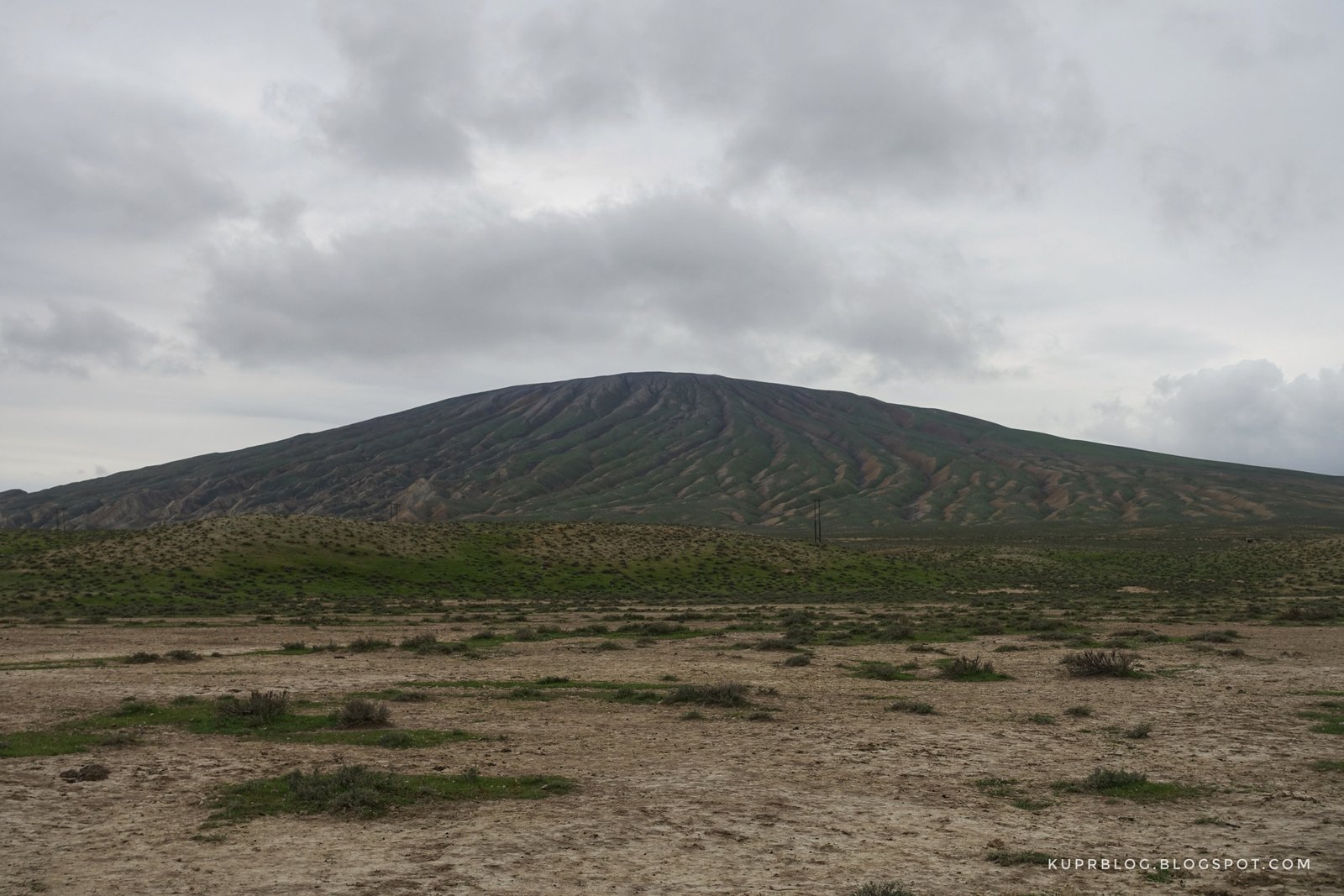
On the Absheron Peninsula, among dry steppes and sparse vegetation, lies a place that appears as if the earth itself is literally burning. Flames burst from cracks in the rocky surface, dancing in the air with shades of orange and yellow. Locals call this place Jingirdagh, or "the singing mountain," and this name perfectly captures the character of this extraordinary phenomenon.
When travelers first see the burning slopes, they often lose themselves in wonder. Is it a volcano? No. Is it an underground fire? Not quite. It is one of the most striking manifestations of geothermal activity you can encounter on the planet.
What Actually Burns
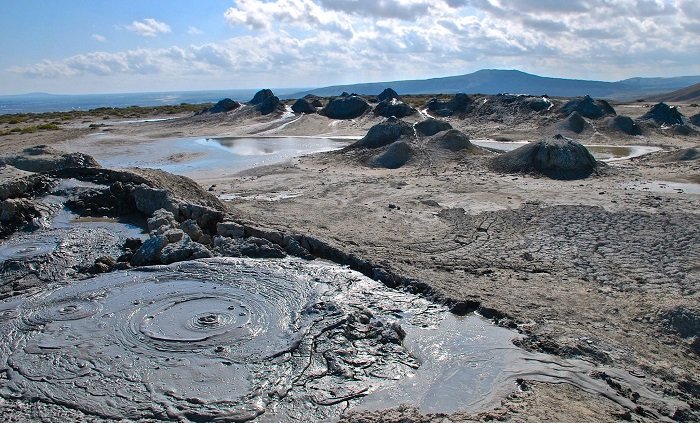
The phenomenon of Jingirdagh is the result of completely natural geological processes. Beneath the Absheron Peninsula, methane and other hydrocarbon gases accumulate and escape to the surface through cracks in the rock. When the gas comes into contact with oxygen in the air, it ignites spontaneously, creating the flames visible to tourists and locals alike.
This phenomenon is rare and only occurs in areas with active hydrocarbon deposits. While there are a few similar places in the world, Jingirdagh remains one of the most accessible and visually striking. The ancient people who lived in this region had no scientific explanation for such a phenomenon, and it's hardly surprising that the mountain became part of legends, myths, and even religious beliefs.
The Mountain in Culture and History
For the ancient Zoroastrians, who revered fire as a sacred element, Jingirdagh was a holy place. In Zoroastrianism, fire symbolizes goodness and purity, and the burning mountain seemed like a direct manifestation of divine will. This belief was so powerful that it created an entire cult around fire.
Near Jingirdagh, just 30 kilometers away, stands the ancient Ateshgah fire temple—a Zoroastrian shrine that served as a place of pilgrimage for centuries. The connection between these two locations is no coincidence: both are part of the same geological phenomenon, and both are infused with the same sacred idea.
A Phenomenon That Changes
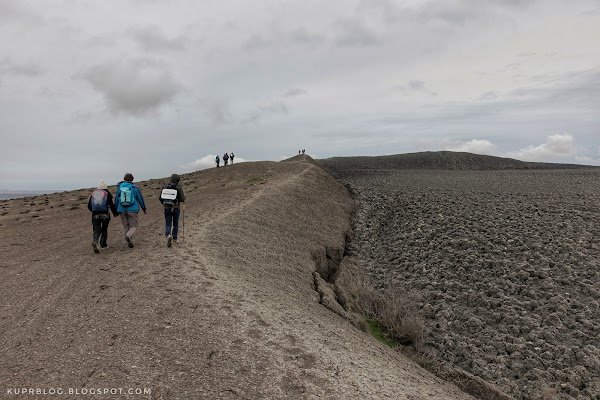
Jingirdagh is not a static place. The intensity of the flames can vary depending on weather conditions, season, and underground activity. During rainy periods, when groundwater levels rise high, the gas may stop emerging at the surface, and the flames disappear. During dry months, the fire ignites with renewed vigor.
The same happens with wind: strong winds can disperse the gas, making the flames less visible or causing them to disappear entirely for a time. This unpredictability makes Jingirdagh even more mysterious. Each visit is unique, and you cannot guarantee that you'll see exactly what you hope for.
A Symbol of Energy and Nature's Power
For the modern traveler, Jingirdagh is not merely a tourist attraction but a reminder of the power of natural forces that lie directly beneath our feet. The planet continues to work independently of us, releasing energy that has been accumulating in the earth for millions of years.
The mountain serves as a bridge between ancient times and modernity. People who lived here two millennia ago looked at the same flames and saw a sacred message. We look at the same phenomenon and see a geological wonder. But the essence remains unchanged—this is a place where the earth speaks to us through fire.
A Meeting Place with the Unknown
Jingirdagh reminds us how little we know about the planet we inhabit. It is a place where science explains the phenomenon, yet wonder remains. Where history intertwines with legend, and the dry steppe holds secrets it will only reveal to those willing to listen.
This is a mountain that has burned for millennia without requiring fuel, without needing maintenance, simply fulfilling the role assigned to it by geology. And in our age, when everything seems explained and studied, such places remain symbols of the incredible, the miraculous, and the entirely real.
Comments (0)
Leave a Comment