May 28 is Independence Day in Azerbaijan, one of the country’s most important national holidays. In 2026 it marks the 108th anniversary of the Azerbaijan Democratic Republic (ADR), the first parliamentary republic in the Muslim world. Until 2021 the holiday was called Republic Day. Today May 28 is a day off, while October 18 is marked as Independence Restoration Day (1991).
Why does this date matter, and how did the country reach independence?
The Road to Freedom
At the start of the 20th century Azerbaijan was part of the Russian Empire. The Muslim population had limited access to secular education in its own language and fewer opportunities for careers and public life. Imperial resettlement policy strengthened the position of Russian, Armenian and German communities.
Baku was one of the world’s main oil centers. In 1901 it produced about half of global output, although its share declined after 1905. The fields were owned mostly by foreign and Russian businessmen, and many Azerbaijani workers put in 12 hours a day or more for low pay and with few safety measures.
Cultural opportunities were also uneven. Other communities of the South Caucasus had well-developed networks of schools and publications, while Muslims found it harder to get an education and publish national literature. In these conditions a national awakening took root.
The People Who Awakened the Nation
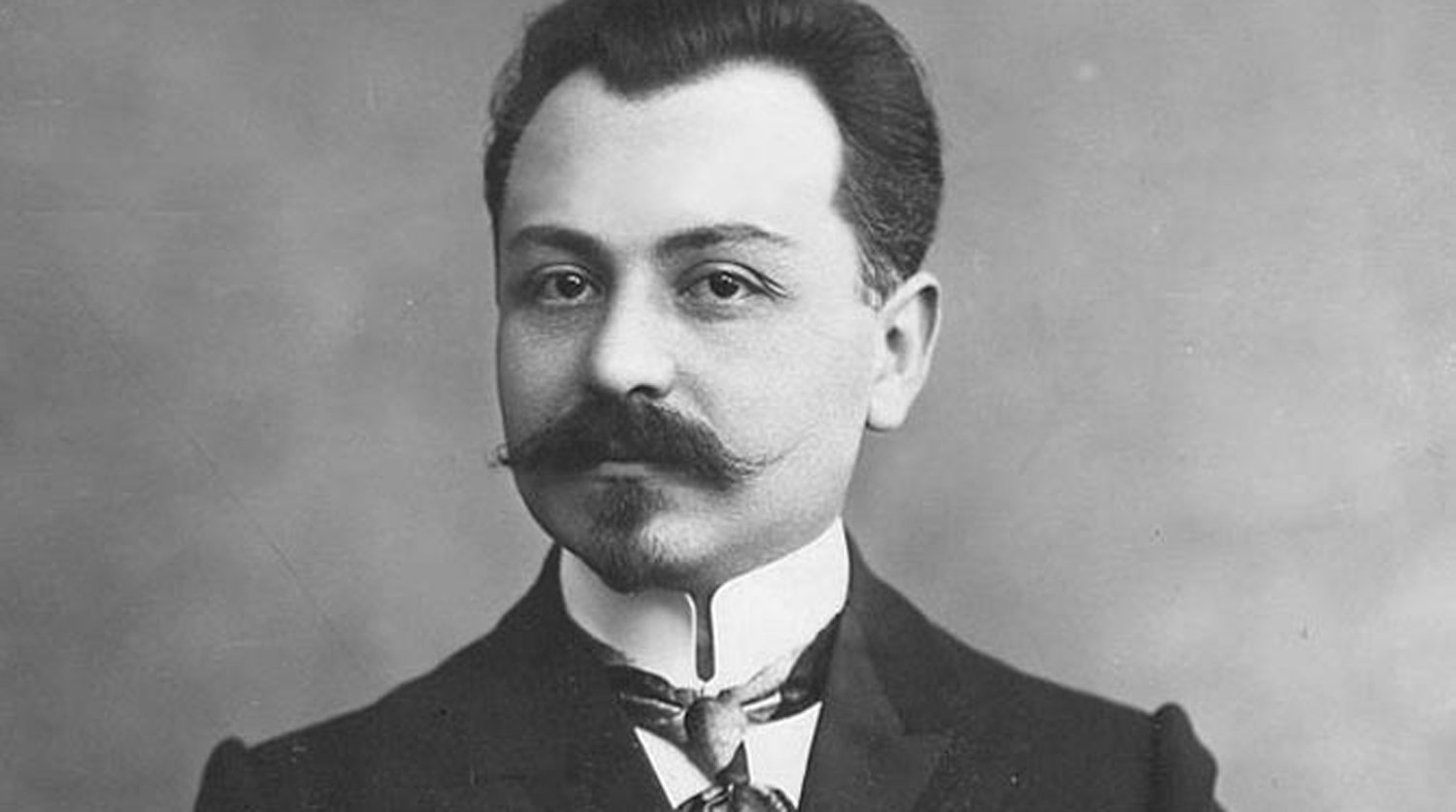
Hasan bey Zardabi laid the foundations with Akinchi (1875), the first newspaper in Azerbaijani. Later the movement was led by figures such as Alimardan bey Topchubashov, Ahmad bey Agaoglu, Mammad Amin Rasulzade and Fatali Khan Khoyski. They took part in the All-Russian Muslim congresses of 1905-1906 and created parties, newspapers and public organizations that prepared the idea of a state of their own.
The Birth of the Republic
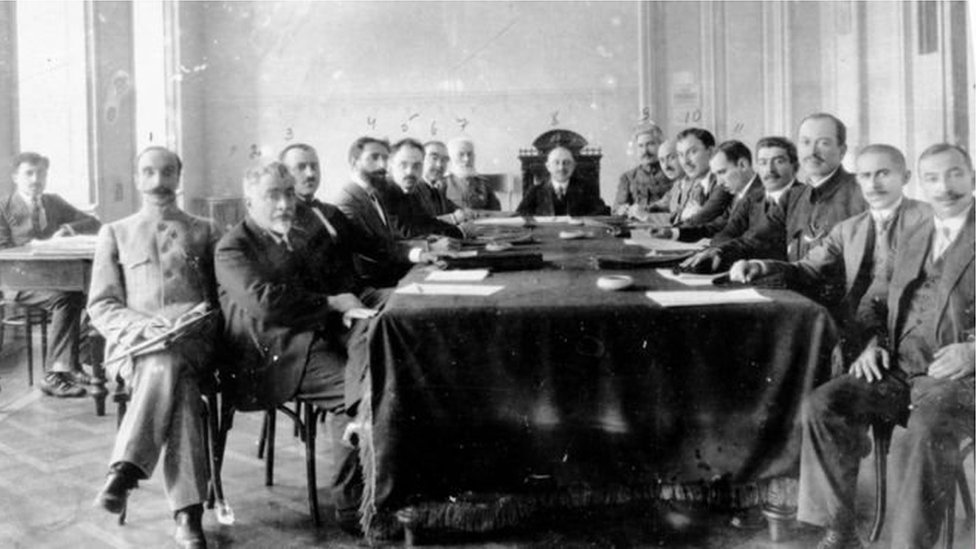
After the 1917 revolution, rapid change began in the South Caucasus. In February 1918 the Transcaucasian Seim convened in Tbilisi, and its Muslim faction had 44 members. Because of disagreements the Seim dissolved on May 26, and Georgia declared independence. On May 27 the Azerbaijani deputies formed the National Council.
On May 28, 1918, the National Council adopted the Declaration of Independence in Tbilisi. Mammad Amin Rasulzade became chairman of the Council, and Fatali Khan Khoyski was tasked with forming the first government.
Main Points of the Declaration of Independence
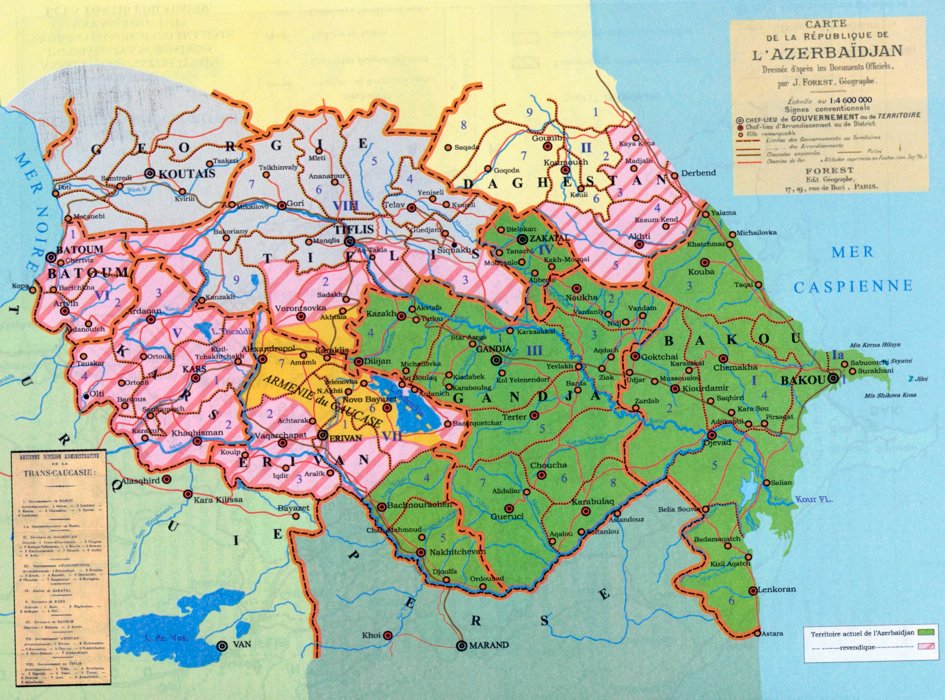
- Azerbaijan was declared an independent and sovereign state covering the eastern and southern South Caucasus.
- The form of government was a democratic republic.
- Civil and political rights were guaranteed to all citizens regardless of nationality, religion, social class and gender.
- All peoples living in the country were assured opportunities for cultural and political development.
- Until a Constituent Assembly was convened, the National Council and a Provisional Government ran the country.
The First Parliamentary Republic in the Muslim World
The government first worked in Tbilisi, moved to Ganja in June 1918, and relocated to Baku on September 17, 1918, after the city’s liberation. Parliament opened on December 7, 1918, with 120 seats: 80 for Azerbaijanis and 40 for national minorities. One of the republic’s key achievements was women’s suffrage, a first in the Muslim world.
Over 23 months Parliament held 145 sessions and considered more than 270 bills, about 230 of which were adopted.
Recognition and the End of the Republic
The Ottoman Empire was first to recognize the ADR (Treaty of Batum, June 1918). On January 12, 1920, the Allied Supreme Council at the Paris Peace Conference recognized it de facto. By then about 16 states had missions in Baku. Soviet Russia did not recognize the republic, and on April 27-28, 1920, the 11th Red Army entered Baku, ending the ADR.
Why May 28 Still Matters
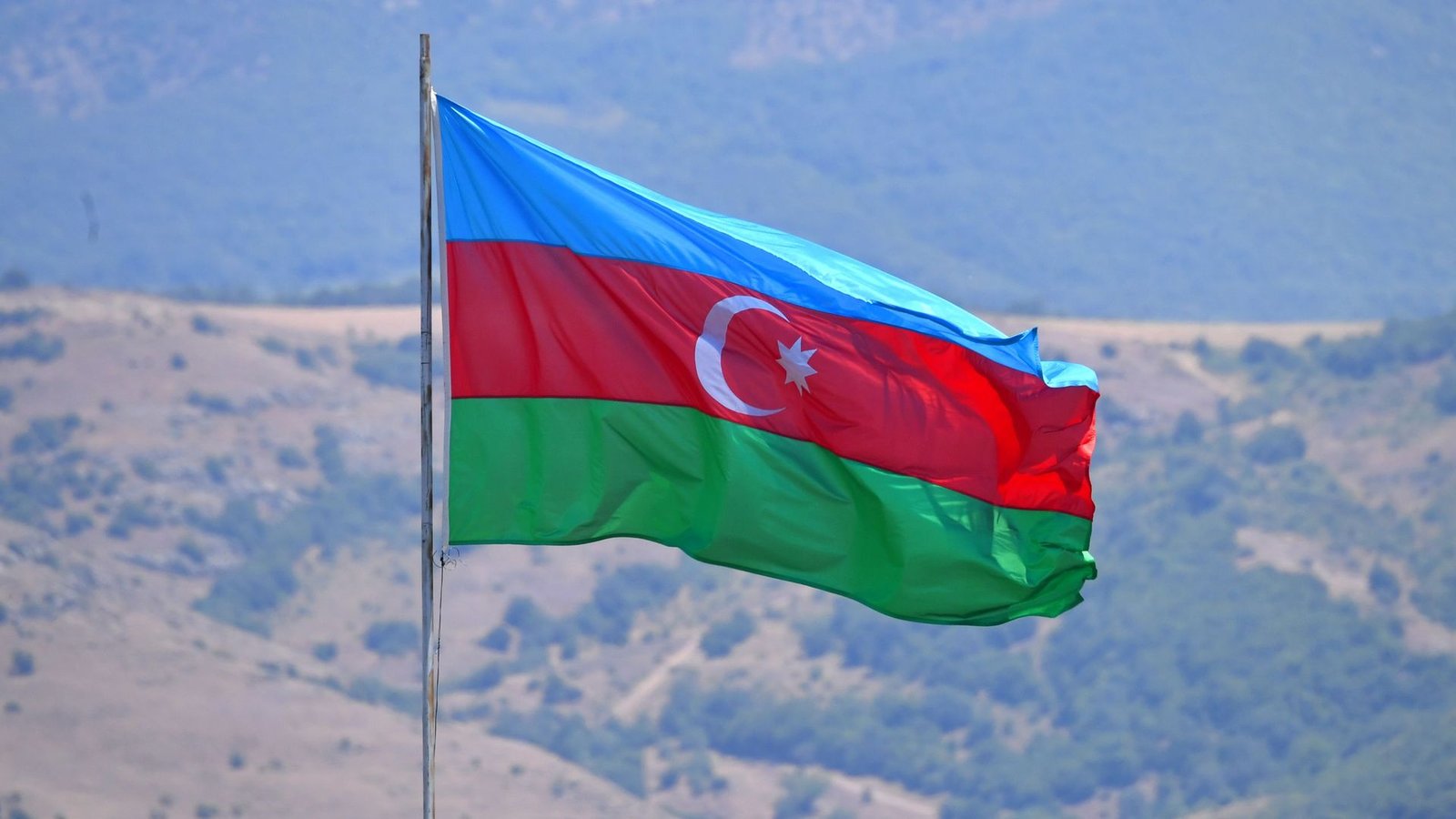
The ADR lasted less than two years, but it left behind national symbols (the tricolor flag was adopted on November 9, 1918), a parliamentary tradition and equal rights for citizens. These ideas returned in 1991, when Azerbaijan restored its independence.
How the Day Is Marked and What to Visit
On May 28 there are official ceremonies, themed lessons at schools and universities, museum exhibitions and concerts. The program changes every year, so check it before your trip.
History fans can visit the Independence Museum of Azerbaijan and the State Flag Museum on State Flag Square, which has a section on the ADR. Museum hours on holidays may differ.
Comments (0)
Leave a Comment