Every year on August 2, Azerbaijan celebrates National Cinema Day. The date was established by a decree of President Heydar Aliyev on 18 December 2000 to highlight the unique history and achievements of Azerbaijani cinema, which is considered one of the oldest in the region. It is a professional holiday for film workers, and in Baku the day is marked with ceremonies and film screenings.
The Beginning of Cinema in Azerbaijan: The Forgotten Pioneer Alexander Mishon
Many people believe that Azerbaijani cinema began in 1916 with the film In the Kingdom of Oil and Millions. However, this common belief was corrected by the research of the filmmaker Aydin Kazimzade, who stated publicly in 1996 that the history of national cinema begins in 1898. He found evidence that the first films in Baku were made by the photographer Alexander Mikhailovich Mishon (known in foreign sources as Alexandre Michon). The originals of two of his films are kept in the Paris Cinema Archive, and copies are held by the Azerbaijan State Film Fund.
Mishon lived in Baku for more than 25 years and, according to several sources, moved there from Kharkiv in 1884. It was the time of the oil boom, when the city was developing very quickly. On August 2, 1898, Mishon held a screening of films shot with the Lumière apparatus, including The Oil Gush Fire in Bibi-Heybat (about 30 seconds), The Oil Gush in Balakhany, Caucasian Dance and a short staged scene, You Are Caught. The film about the fire at Bibi-Heybat is considered one of the first documentary films in the world about the oil industry, and scenes from it were shown in France in 1995 in a film marking the 100th anniversary of world cinema.
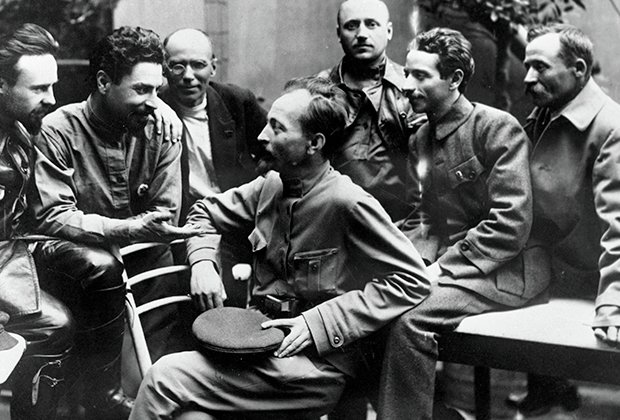
Alexander Mishon's Contribution to Photography and Cinema
Besides filming, Mishon opened a photography studio on Torgovaya Street, now Nizami Street. In 1888 it was located in the Imperial hotel. He taught photography to local people and took part in creating a scientific photography circle in Baku, where he was secretary. He planned to show his films at an exhibition in Paris.
Azerbaijani Cinema in the Early 20th Century
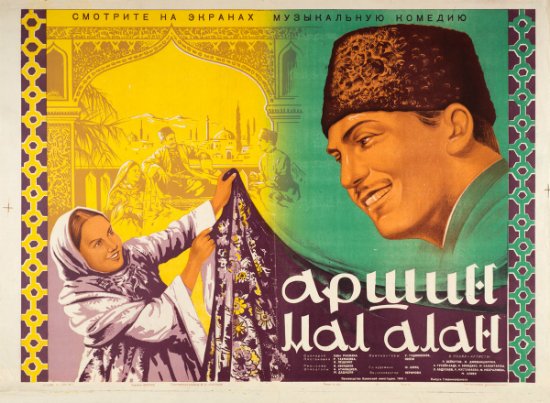
Before the revolution, cinema in Azerbaijan was strongly influenced by theatre. In 1916 the silent film Arshin Mal Alan was made, based on the operetta of the same name by Uzeyir Hajibeyli, one of the founders of Azerbaijani opera. In line with the customs of the time, two of the female roles were played by men.
Cinema During the Soviet Period: Nationalization and State Control
After Soviet power was established in 1920, Nariman Narimanov signed a decree nationalizing cinema. The production and distribution of films came under state control: this gave cinema support, but it also brought censorship.
The film section of the People's Commissariat for Education was headed by Hanafi Teregulov and the composer and opera singer Muslim Magomayev. In 1922 the authorities decided to create the first film studio, the predecessor of today's Azerbaijanfilm, and in 1923 the Azerbaijan Photo-Film Institution was established.
Films About Traditions and Social Change
Azerbaijani cinema paid attention to national traditions: wedding customs, folk dances and music became part of the plots. In the 1920s and 1930s, films appeared that were devoted to the struggle against old customs and religious fanaticism, such as Bismillah (1925, directed by Abbas-Mirza Sharifzade, regarded as the first Azerbaijani film director), The House on the Volcano (1928) and Sevil (1929). They played an important role in the cultural changes of society.
Female Roles and a New Era in Azerbaijani Cinema
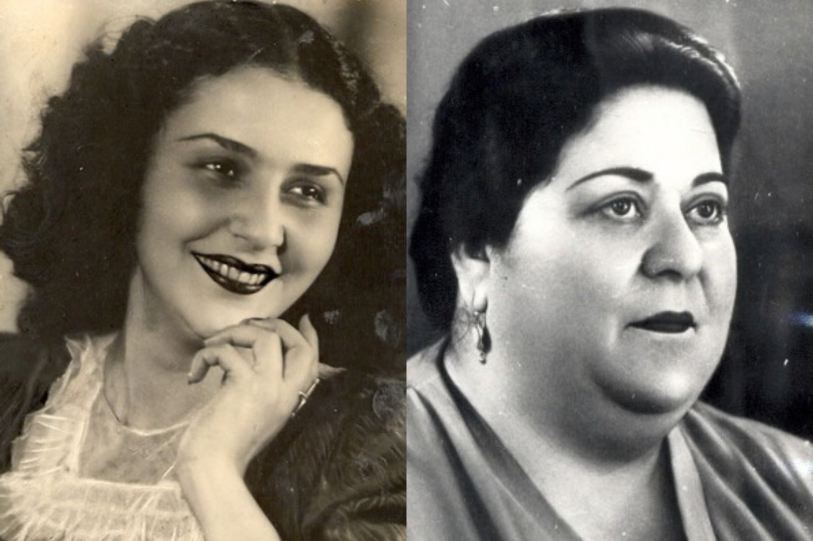
In 1945 a new film version of Arshin Mal Alan appeared, directed by Rza Tahmasib and Nikolay Leshchenko. The female roles were played by professional actresses, including Leyla Badirbeyli and Minavar Kalantarli. The film became one of the most popular works of Azerbaijani cinema and gained recognition far beyond the country.
Azerbaijani Cinema Classics and Important Films of the 20th Century
Patriotic, historical and social themes were reflected in films such as:
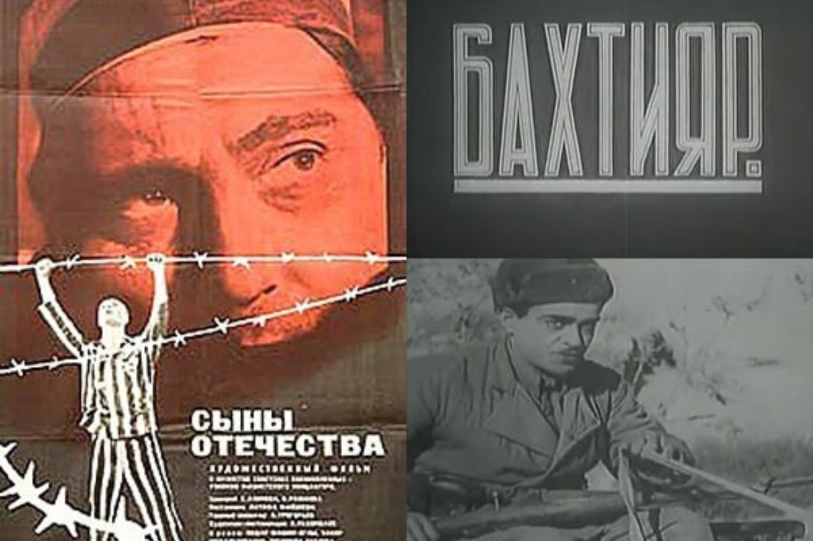
- Son of the Motherland (1941) — about heroism in the war years;
- Bakhtiyar (1942) — a personal drama set during the war;
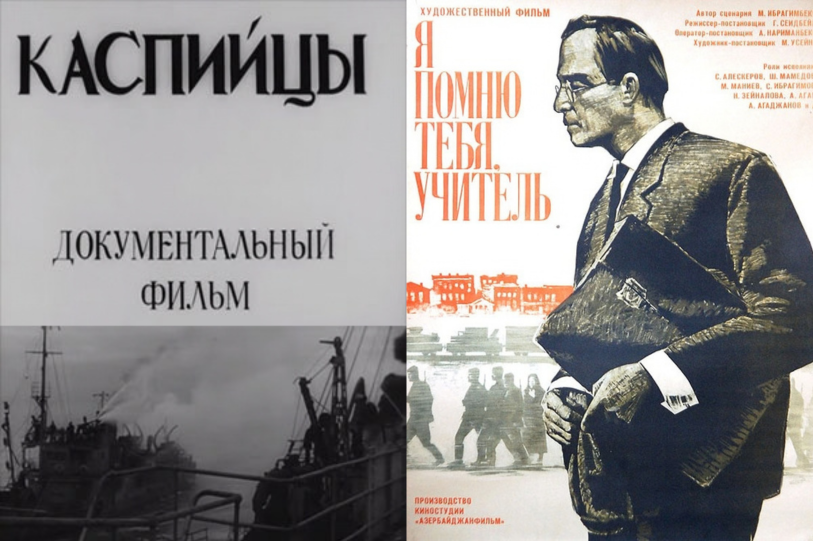
- The Caspians (1944) — about the courage of Caspian sailors;
- Our Teacher Jabish (1969) — about education and teaching.
Audiences also love comedies (If Not That One, Then This One, Where Is Ahmad?), dramas (The Stepmother, On the Other Side of the Aras), historical films (Babak, Nasimi) and family films (The Magic Gown, The Secret of a Fortress).
Comments (0)
Leave a Comment