Azerbaijan is not just a country between Europe and Asia. It is a real cultural encyclopedia where the traditions of many peoples come together. According to the 2019 census, Azerbaijanis make up about 94.8% of the population, while more than 80 other ethnic groups, including Lezgins, Talysh, Russians, Avars, Tats, Udis and Mountain Jews, live in different parts of the country and keep their own languages, customs and crafts. People of different religions and traditions live side by side, and this richness of cultures makes travel in the country especially interesting.
The state language is Azerbaijani, but in villages people still speak Lezgian, Talysh, Avar, Tat, Udi, Khinalug and other languages. Tat, Udi and Khinalug are considered endangered, which makes the living traditions of these peoples especially valuable.
Lezgins — Keepers of the Northern Mountains
In the beautiful village of Laza, in the Gusar region, the morning begins with the sound of mountain streams and nature. A woman sings a traditional song while she bakes Lezgin bread in a special oven called a kharak, and her grandchildren greet her with the words "Pakaman libisar x'uj!", which means "Good morning!" This simple scene shows the warm and kind spirit of the Lezgin people.
Lezgins are the largest national minority in Azerbaijan: about 167,600 people (1.7% of the population) according to the 2019 census. They live compactly in Gusar, Guba and nearby mountain areas, and also in Gabala, Ismayilli, Oghuz and Shaki. They are known for their rich oral poetry, dances, cuisine and hospitality. Lezgin bread is round and flat with dimples on top, like the sun, and one of the most unusual local dishes is shakuka, a stuffed flatbread sometimes compared to pizza.
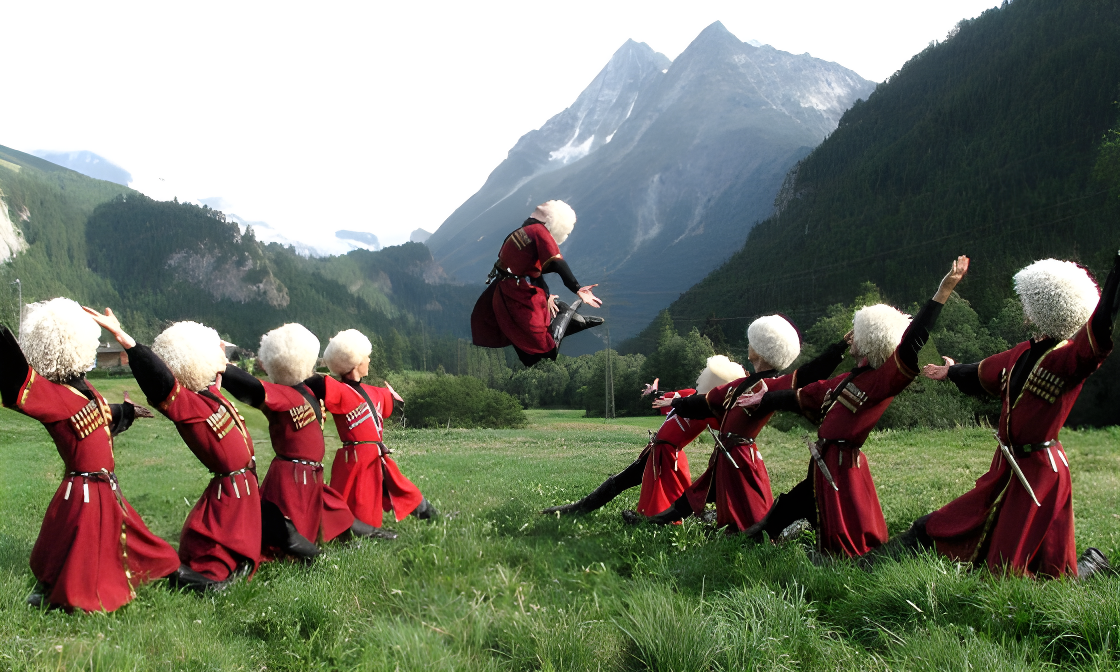
Talysh — An Iranian-Speaking People of the South
The Talysh are the second-largest national minority in Azerbaijan: about 87,600 people (0.9% of the population). They live in the south of the country, around Lankaran and Astara. The Talysh language belongs to the Iranian group, and the Talysh have preserved their own language, customs and crafts.
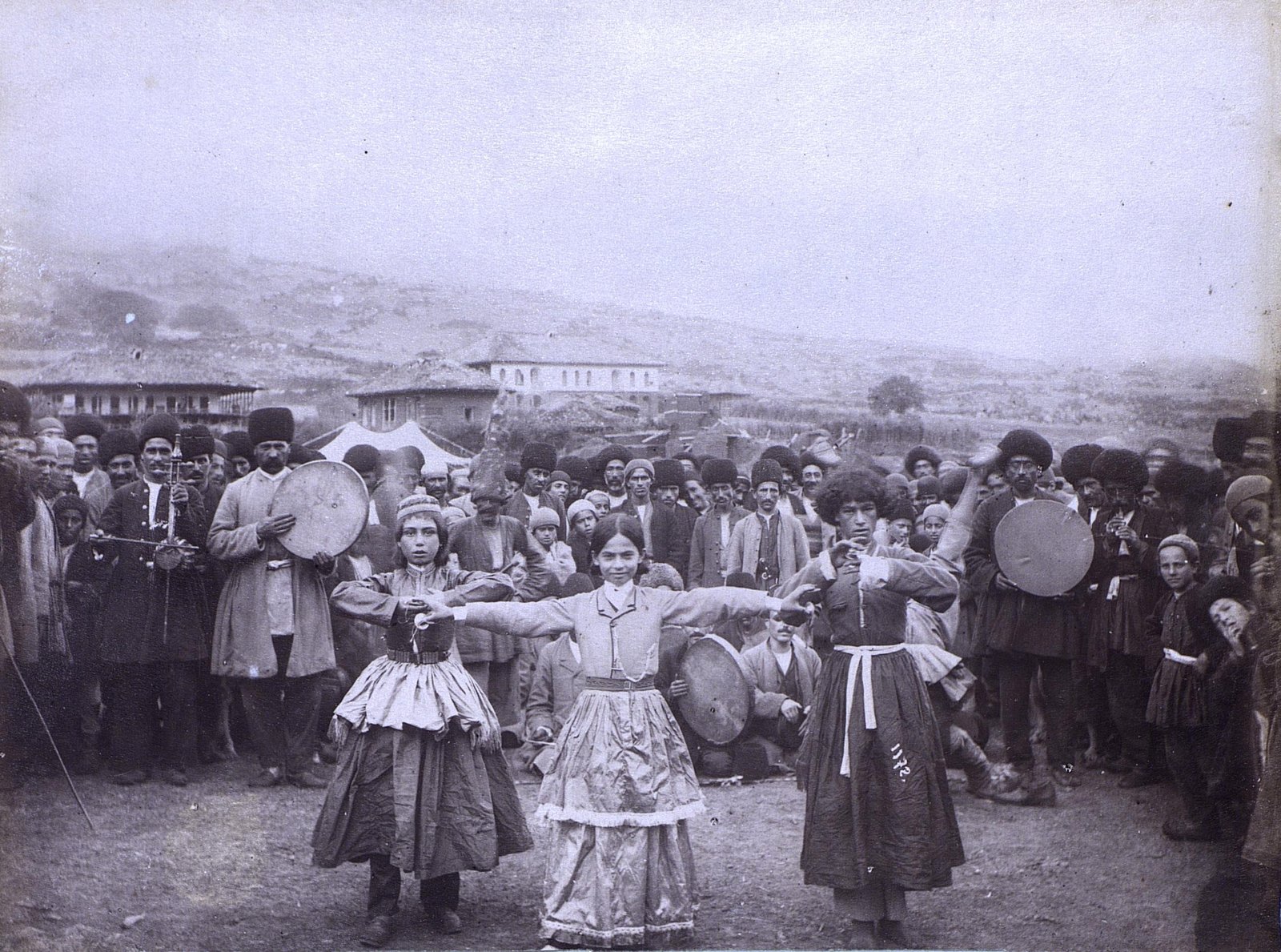
Tats — Keepers of Mountain Crafts and the Language of Their Ancestors
Tats are one of the oldest peoples of Azerbaijan. They speak the Tat language, which belongs to the Iranian group, and are considered descendants of Iranian-speaking tribes who settled in the mountain areas of the country. Today Tats live in Ismayilli, Shamakhi, Absheron and the Guba region, and they are especially known for mountain villages such as Lahij, where cobbled streets, copper workshops and ancient crafts have survived: copper chasing, carpet weaving and woodworking. The Tat language is endangered, but it can still be heard in songs, proverbs and oral stories.
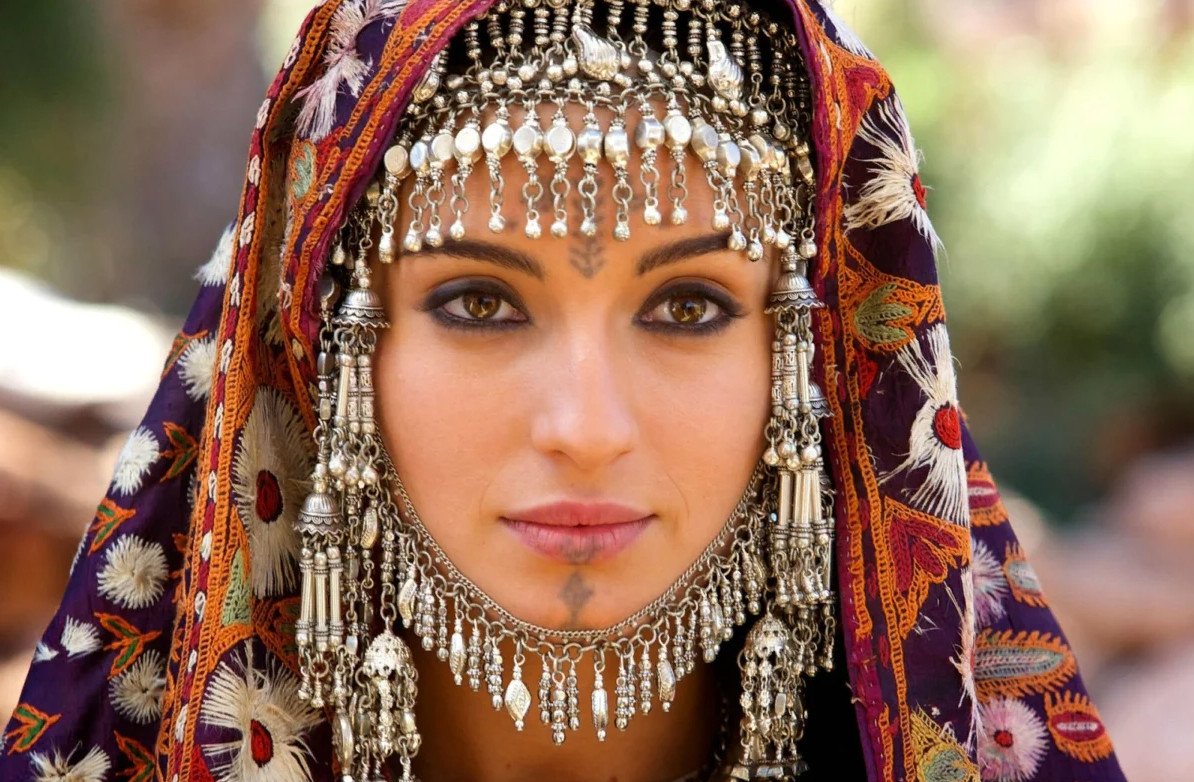
In Red Village, opposite the city of Guba, live Mountain Jews. The settlement was founded in 1742 on the bank of the Gudyalchay River, and its residents speak Juhuri (Judeo-Tat). Red Village is known as one of the largest settlements outside Israel and the United States where almost all residents are Jewish, and about 4,000 people live there today.
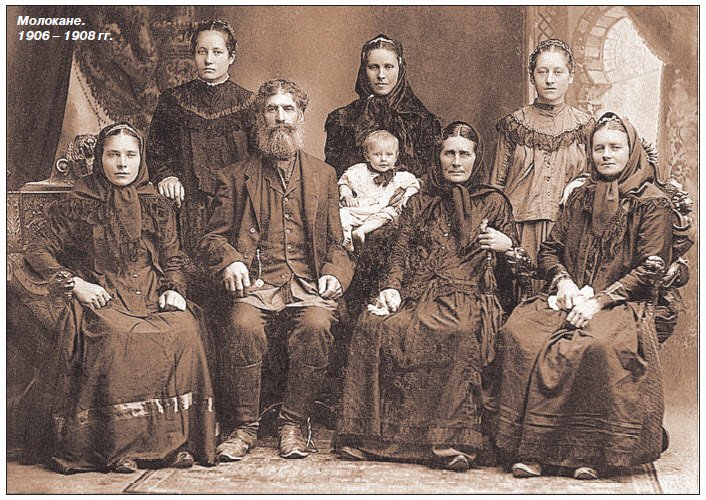
Russians and Molokans — Keepers of Agricultural Traditions
Russians are the third-largest national minority in Azerbaijan: about 71,000 people according to the 2019 census. They mainly live in Baku and also in Ganja, Sumgayit, Mingachevir and other cities. There are also interesting Russian villages, such as Ivanovka in the Ismayilli region.
The village was founded in the 19th century by Molokan settlers, Spiritual Christians whom the tsarist authorities exiled to the Caucasus (sources give 1834, the 1840s and 1847). Today Ivanovka is known for its cheese, honey, bread, wine and dairy products, as well as for choral singing and a distinctive way of life. Many pupils at the village school study in Russian.
Avars — Keepers of the Traditions of Zagatala
In the north of Azerbaijan, in the Balakan and Zagatala regions, live the Avars (about 48,600 people in the 2019 census). They have an unusual matchmaking custom: the groom's mother brings freshly baked bread in a bag to the bride's house without saying a word about marriage. The family's positive answer is shown if the bread is returned wrapped in a cloth. This simple symbolism has a deep meaning.
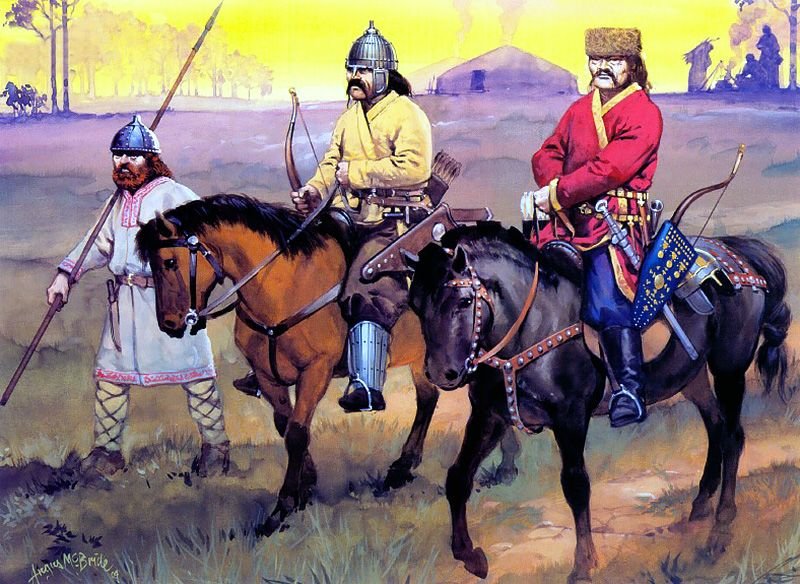
Udis — Descendants of Caucasian Albania
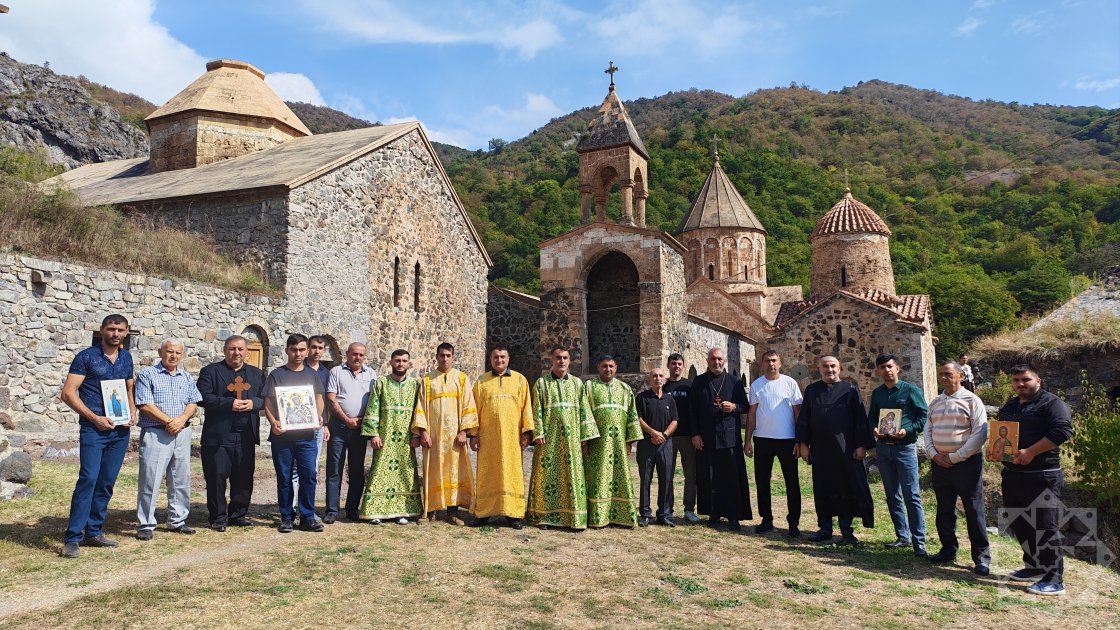
In the village of Nij, in the Gabala region, live the Udis, a Christian community considered descendants of one of the tribes of ancient Caucasian Albania. Nij is the largest Udi settlement in the world. The Udi language belongs to the Lezgic group and is considered the closest living relative of the language of the Caucasian Albanians. The Church of Saint Elisaeus (Chotari) stands in the village, and every year the Udis celebrate Christmas there. It is living history set within the modern day.
Other Peoples
Besides these, Azerbaijan is home to Ingiloys (Georgian Muslims) in the northwest, Kurds, the Khinalug people in the high mountain village of Khinalug with their own language, Tatars, Ashkenazi Jews and others. Each people adds its own shade to the country's mosaic.
The peoples of Azerbaijan are like a colorful handmade carpet: every thread is different, but together they create one pattern. Today more than 10 million people live in the country. They are all citizens of Azerbaijan, and the diversity of its people is one of its cultural treasures.
Azerbaijan is not simply a country on the map. It is one cultural space where different peoples have lived together for centuries while keeping their own traditions and languages. Every village can tell its own story, every tradition can show the soul of a people, and every face can reflect an era. As long as these cultures live, breathe, sing and bake bread by old recipes, the spirit of Azerbaijan will live on.
Comments (0)
Leave a Comment