At the foot of the Maiden Tower in central Baku, in the old city, among narrow streets and ancient stones, lies the foundation of a chapel. This is all that remains of the Chapel of Saint Bartholomew—a small church that stood here for less than fifty years, yet its history stretches back centuries, into the first century of our era.
According to Christian tradition, the Apostle Bartholomew, one of the twelve disciples of Jesus Christ, suffered martyrdom on this spot in 71 AD. For two millennia, believers venerated this place as sacred, but a formal memorial only appeared in the late 19th century, when Azerbaijan was under the rule of the Russian Empire.
In 1892, when the oil rush was beginning in Baku and thousands of Russian workers were streaming into the city, the local Christian community decided to build a chapel in honor of their patron saint. Private donations were collected to raise the necessary capital—up to 2,000 rubles, which was a considerable sum at the time. The architect of the project was I.V. Edel, who designed the building in Russian style, combining imperial architecture with local traditions.
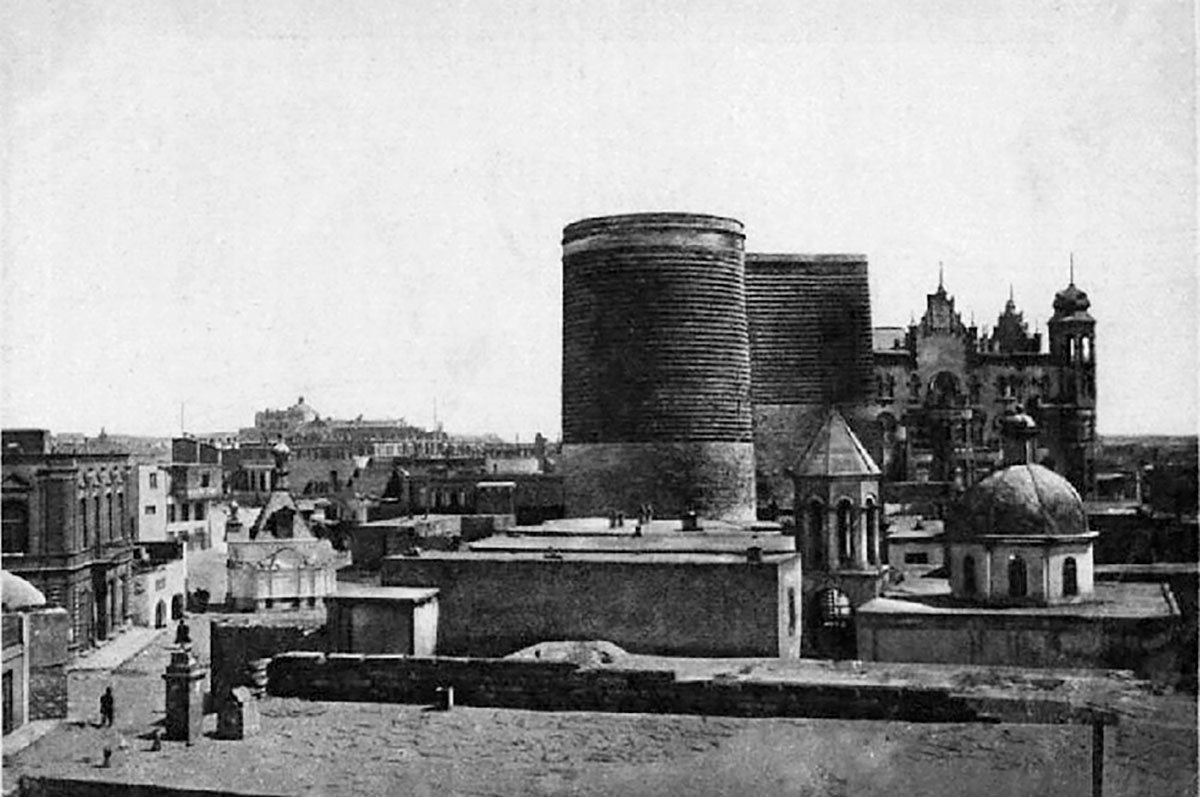
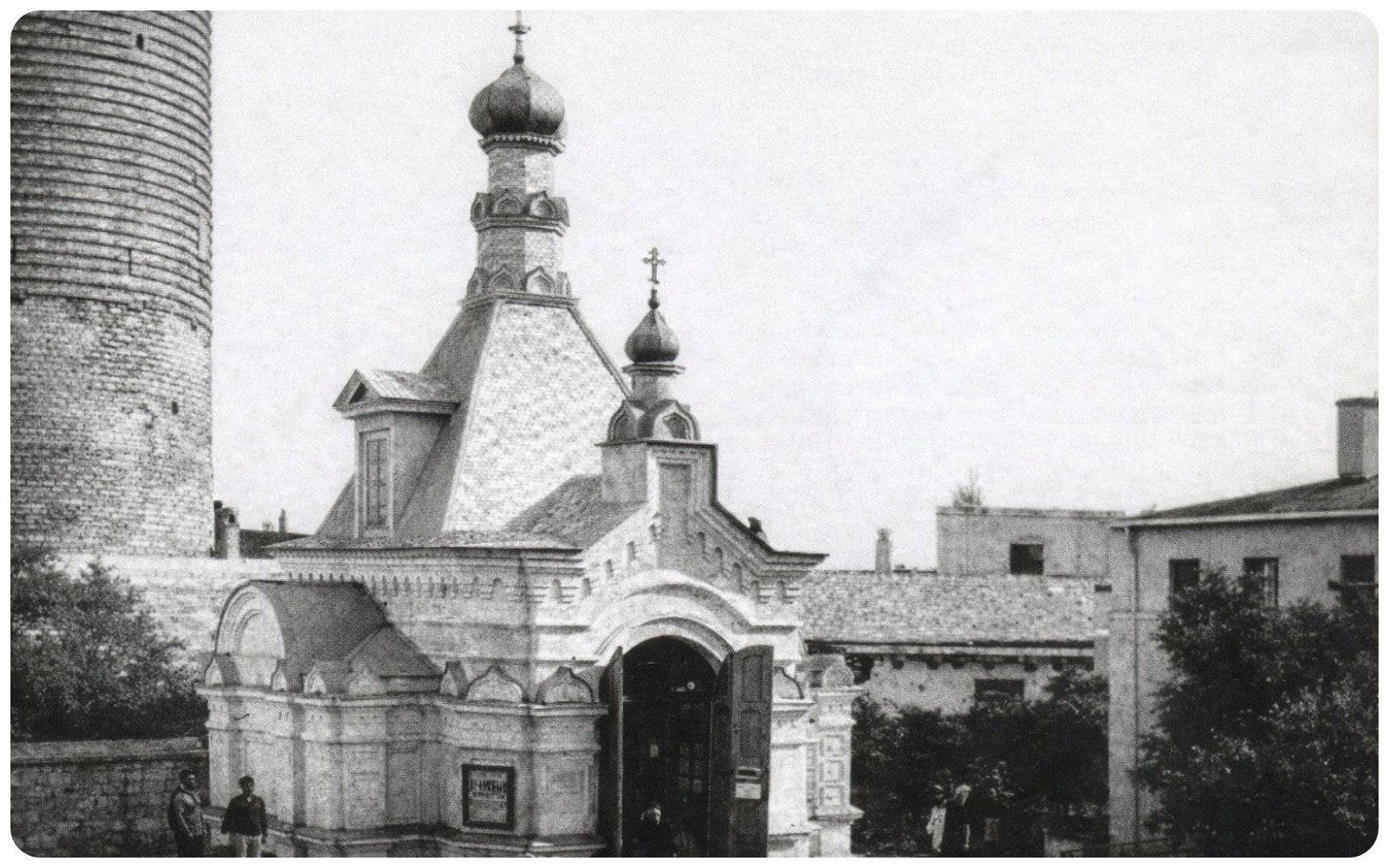
The chapel was built in the so-called "Dark Rows" in the fortress—the old commercial part of Baku, densely built up with houses and shops. It was a small church, but clean and well-maintained. A mirror cross was placed on its roof, which was visible from afar in the sunlight. On the chapel wall was mounted a marble commemorative plaque with an inscription: "At this place, for the sake of Christ, shed his blood one of the 12 disciples of Christ—the holy apostle Bartholomew."
Inside the chapel were icons, including an image of the Apostle Bartholomew, and three icons remaining from the iconostasis of the old church that had stood on this site before 1815. Adjacent to the chapel was a storage room for icons and religious pamphlets for believers. This was not a magnificent church, but a modest sanctuary for the praying, a gathering place for local Christians, where they would assemble to pray and remember the ancient faith of their ancestors.
The chapel stood for 44 years. In 1936, during the height of the Soviet campaign against religion, it was destroyed. This did not happen in a remote village, but in central Baku, in full accordance with state atheist policy. The chapel left only its foundation, hidden beneath layers of earth and oblivion. Its stones were dismantled, its icons disappeared, its cross fell. The place that believers had considered sacred for so many centuries was literally erased from the face of the earth.
But the memory of the chapel did not disappear. No matter how the state tried to erase this place from history, believers remembered it. Every year, on June 24—the feast day of the Apostle Bartholomew in the Orthodox tradition—people would come to the remains of the chapel to pray. This was a devotional tradition, observed quietly during Soviet times, when open pilgrimage was impossible.
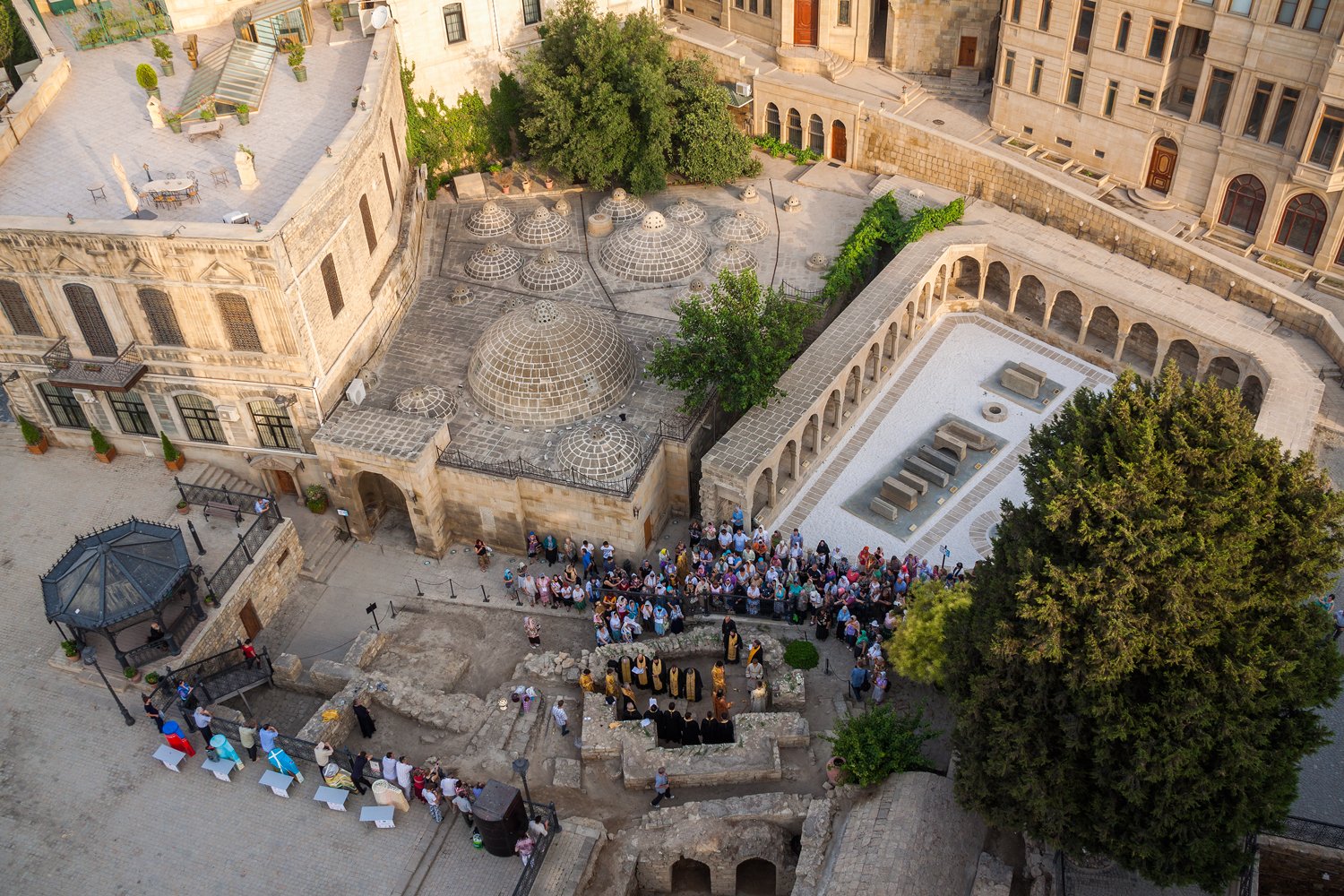
After the collapse of the Soviet Union and the restoration of Azerbaijan's independence, prayers at the remains of the chapel began to be held openly. In 2003, an important event occurred in the history of this place. Patriarch Bartholomew I of Constantinople—the primate of the ecumenical Orthodox Church, bearing the name of the apostle—visited Azerbaijan and brought with him a reliquary containing a precious relic of the holy remains of the Apostle Bartholomew. This gift was presented to the Christian community of Baku and was later placed in the Cathedral of the Holy Myrrhbearers, the principal Orthodox church of Azerbaijan. This event symbolically restored the connection between that small chapel at the foot of the Maiden Tower and universal Orthodoxy.
In 2015, the remains of the Chapel of Saint Bartholomew were officially registered as an archaeological monument. This recognition, though belated, showed that Azerbaijan was ready to preserve and respect the multi-confessional heritage of its history.
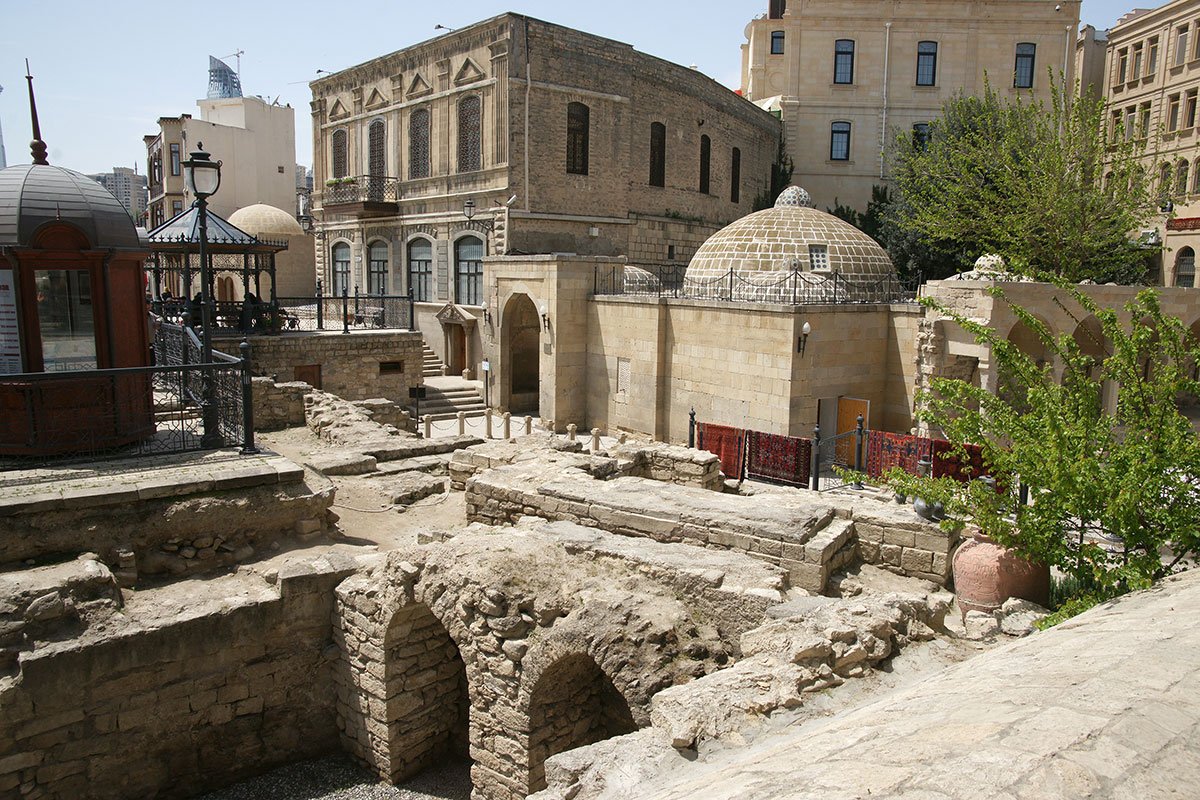
Today, at the site of the destroyed chapel stands an information sign pointing tourists to the historical significance of this place. The inscription reads: "Chapel of Saint Bartholomew. Preserved Fragments." Every year, on the morning of June 24, when dawn breaks over the Maiden Tower and the Caspian Sea in Baku, people gather at this foundation to perform a moleben—a supplicatory service. This is a living tradition that connects the present with the past, linking the 20th century of destruction with the 21st century of restored memory.
The Chapel of Bartholomew is a reminder that a city's history does not begin and end in a single moment. It is a multilayered narrative in which layers of stone, prayer, destruction, and restoration intertwine, forming the fabric of cultural heritage. A small building that stood for less than half a century left a mark that cannot be erased, because it lives in the memory of people and in the stone that refuses to disappear.
Comments (0)
Leave a Comment