Tea in Azerbaijan is more than just a drink. It is a symbol of hospitality, family traditions, and cultural heritage. Azerbaijani people know how to turn tea drinking into a special ritual. Water is boiled in a samovar, tea is served hot in small glass cups on saucers, and it comes with sweets such as pakhlava, sherbet, dried fruit like apricots, lemon and jam. People in Azerbaijan do not drink tea only to relax. They also talk, discuss important events, build friendships, and show their hospitality over a cup of tea. In 2022, the culture of çay (tea), shared by Azerbaijan and Türkiye, was inscribed on UNESCO’s Representative List of the Intangible Cultural Heritage of Humanity.
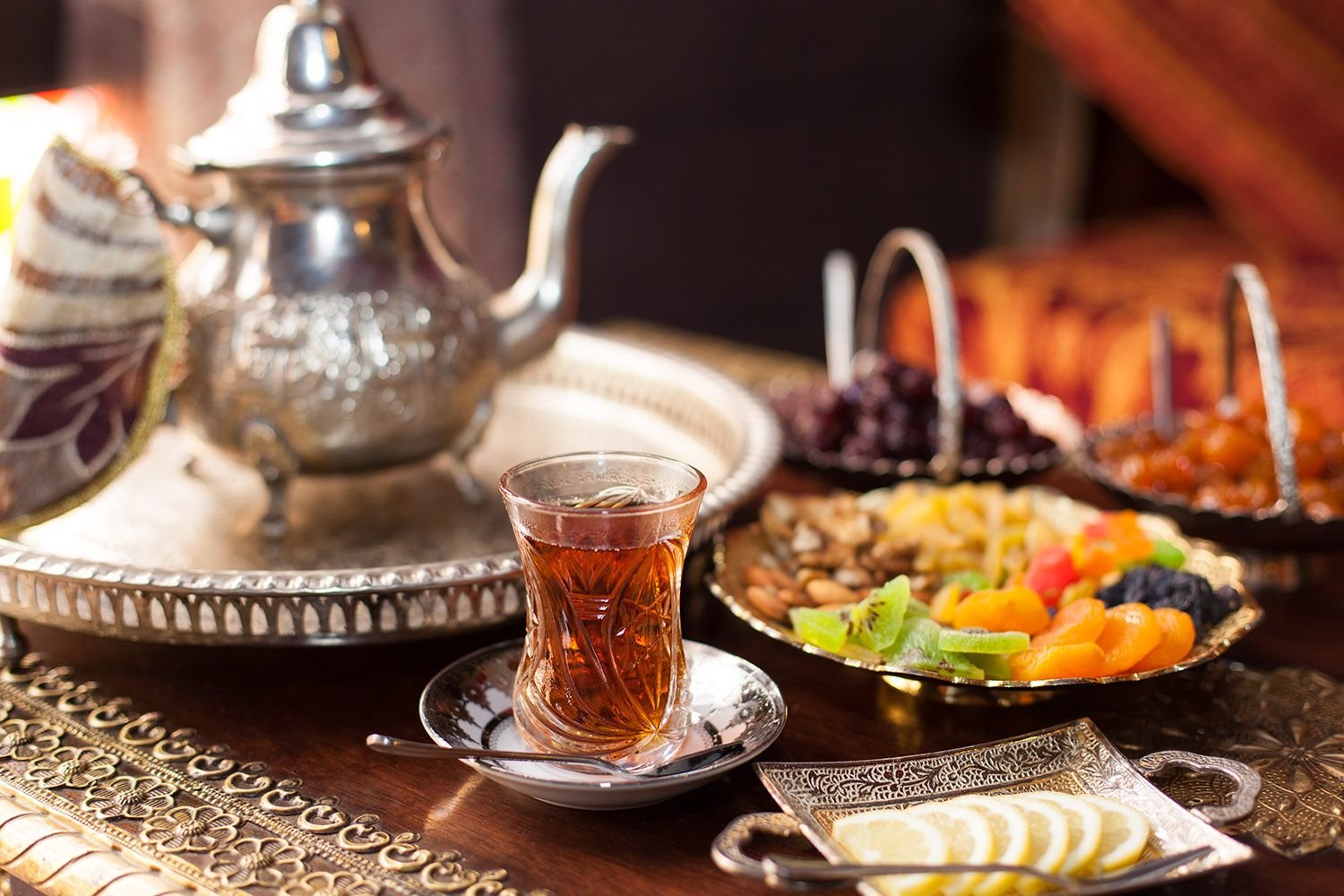
How tea is served in Azerbaijan
The main tea here is black, strong and fragrant. It is brewed separately and served hot and fresh. The main symbol of Azerbaijani tea drinking is the armudu glass, whose shape resembles a pear: the narrow waist keeps the heat in, while the wide top lets the aroma out. Traditionally the hostess pours the tea, and the glass and saucer become part of a graceful, slightly ceremonial ritual.
Tea is usually served with lemon, lump sugar (often taken on the side, biting off sugar and sipping tea), jam and dried fruit. The sweets on the table depend on the occasion and the hosts’ taste: pakhlava with nuts, sherbet, pastries, fruit and candy. Afternoon tea is often accompanied by exactly such light treats.
The history of tea culture in Azerbaijan
Tea growing in Azerbaijan is linked first of all with Lankaran and its surroundings in the south of the country. According to available sources, commercial tea planting began in the early 20th century, and in the 1930s specialists identified Lankaran as one of the best places for tea plantations; tea factories have operated there since. The mild climate, fertile soil and heavy rainfall create suitable conditions for tea bushes. Today you can see tea growers at work on Lankaran’s plantations, and the region remains the symbol of Azerbaijani tea.
Herbal tea and special recipes
In Azerbaijan, tea is not limited to the usual black drink. Herbs and spices are added to some blends: thyme and mint, and in some regions also cinnamon, ginger or rose water. These additions are believed to be good for the stomach and heart, and they give the tea a unique aroma. Each family may have its own recipe, passed down from one generation to the next, and when hosts serve you thyme tea they often tell you how their grandmother used to make it.
Tea houses: a page of their own in the culture
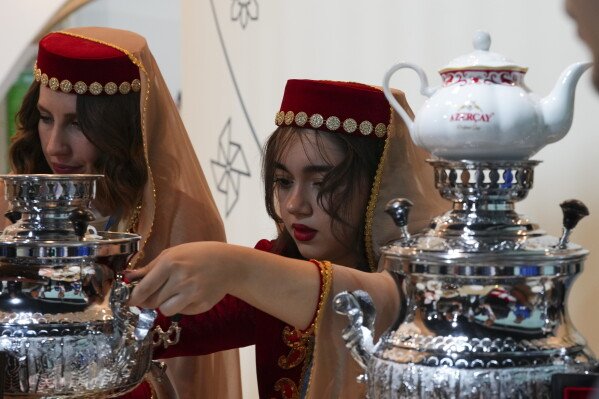
Traditional tea houses, called “çayxana,” are a separate page of Azerbaijani culture. Historically they were male spaces where visitors drank tea, played backgammon (nard) and read newspapers. You will find wooden furniture, samovars and an unhurried atmosphere, and in old cities such as Baku, Sheki and Lankaran tea houses still operate and attract both locals and guests. They are meeting places for friends and slow conversation, where every cup of tea becomes part of the talk.
Tea, holidays and important occasions
Tea is closely connected with cultural traditions. It is present at family celebrations and holidays, and sometimes plays a symbolic role: for example, serving sweet tea with sugar during matchmaking is seen as a sign of a likely wedding. Offering tea is a sign of respect and care for guests.
Samovars and the art of tea
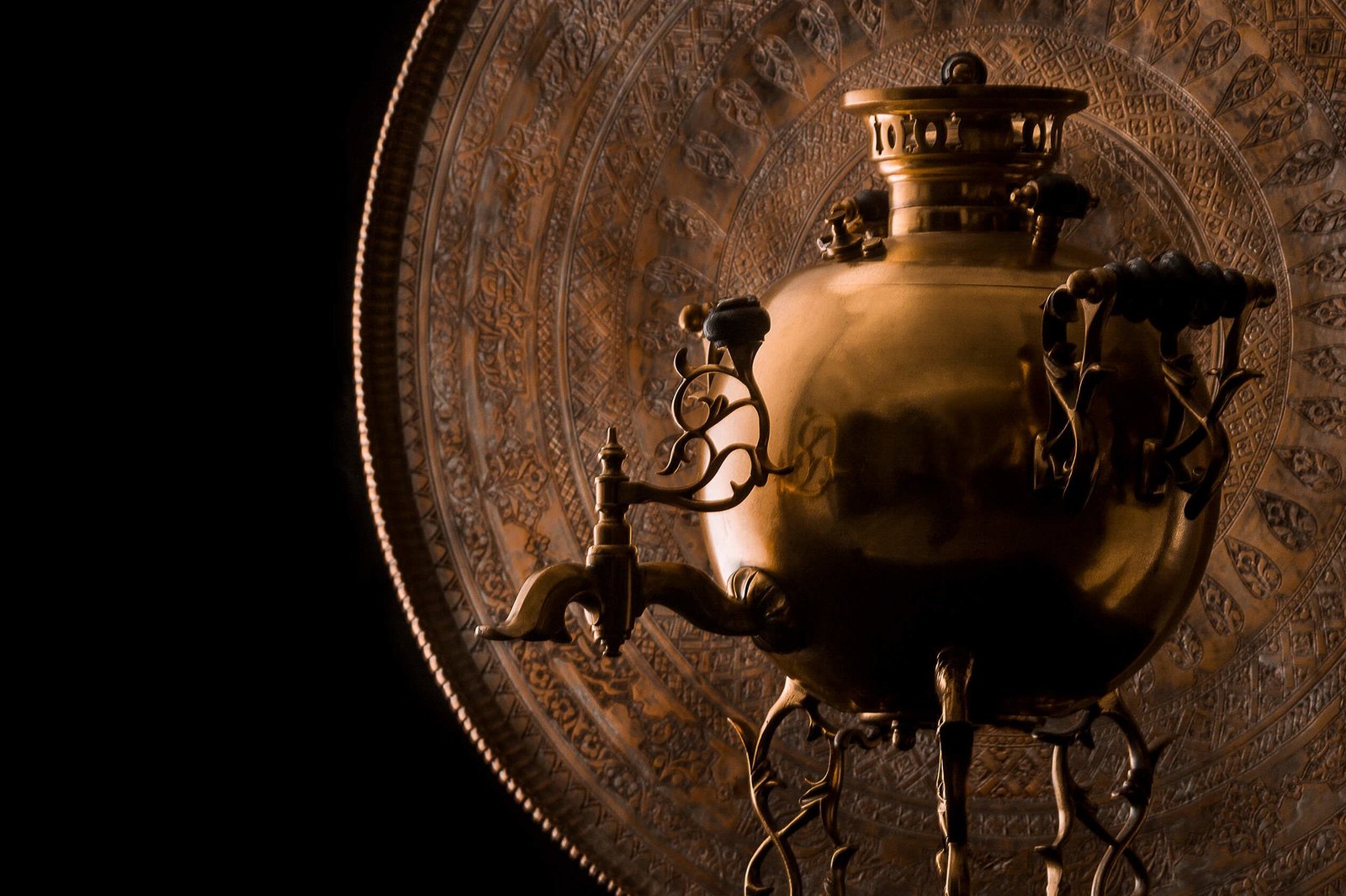
Azerbaijani tea is closely connected with the country’s history and crafts. In cities and villages, you can still see old samovars decorated with patterns, and traditional teapots that keep the memories of past generations. Tea utensils and sweets are made by craftspeople, and their work is part of the same culture. Every cup of tea is like a small journey through time. It gives people a chance to touch the country’s heritage and feel its spirit.
Where to try tea in Azerbaijan
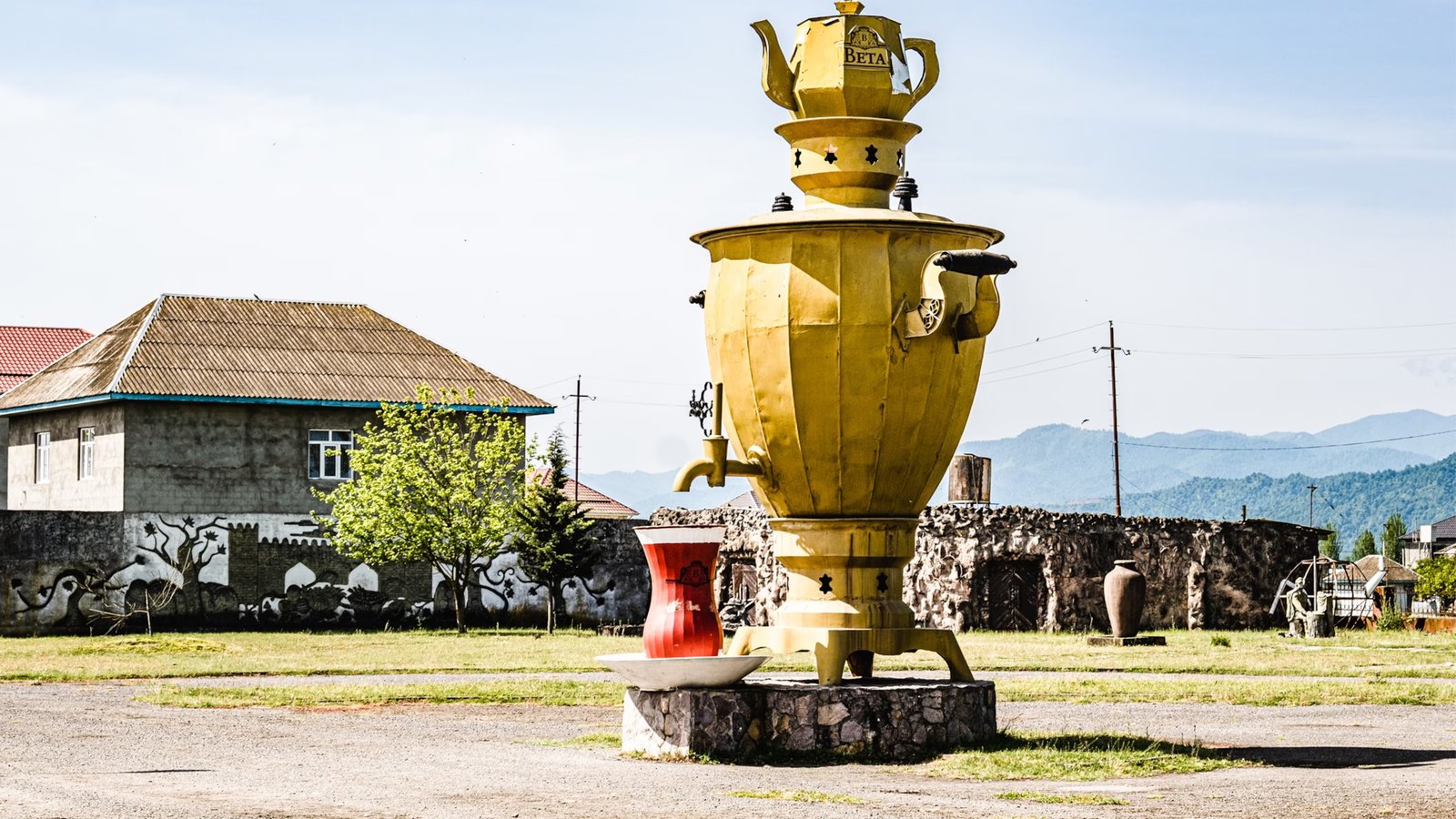
The best place to try tea is a tea house: in Baku, Sheki or Lankaran. Order a glass of armudu, jam and pakhlava, and plan nothing for the next hour. If you are in Lankaran, visit the tea plantations. There you can see how tea grows and hear the stories of the people who grow it.
When you discover the world of Azerbaijani tea, you learn not only about its tastes and aromas but also about the country’s history, cultural traditions, and relationships between people. From the green tea plantations of Lankaran to the cosy tea houses of old Baku, every cup of tea tells a story. It connects the past with the present and offers a unique cultural experience.
FAQ: Azerbaijani tea
Why is tea served in armudu glasses?
The pear shape keeps the heat in and is traditional for Azerbaijani tea drinking.
What is served with tea in Azerbaijan?
Lemon, lump sugar, jam, dried fruit, pakhlava, sherbet, pastries, fruit and candy.
What kind of tea do people drink in Azerbaijan?
Mostly black tea. Thyme, mint and other herbs and spices are added to some blends.
Is Azerbaijani tea culture on the UNESCO list?
Yes, since 2022: çay culture is inscribed as a heritage shared by Azerbaijan and Türkiye.
Where is Azerbaijani tea grown?
Mainly in Lankaran and its surroundings in the south of the country.
Comments (0)
Leave a Comment