One of the first things people notice when entering Lankaran is the enormous samovar standing beside the road. For travelers, it may look like an unusual city monument, but for the region itself, it represents something much deeper - the identity of southern Azerbaijan and its long connection to tea culture.
Lankaran has been associated with tea for generations. The humid subtropical climate, green tea plantations, slow-paced lifestyle, and traditions of long tea gatherings have made tea an essential part of everyday life in the south of Azerbaijan. Because of this, the samovar here is seen not simply as a household object, but as an important cultural symbol.
Today, the Samovar Circle is one of the most recognizable landmarks in Lankaran and one of the best-known symbols of the region.
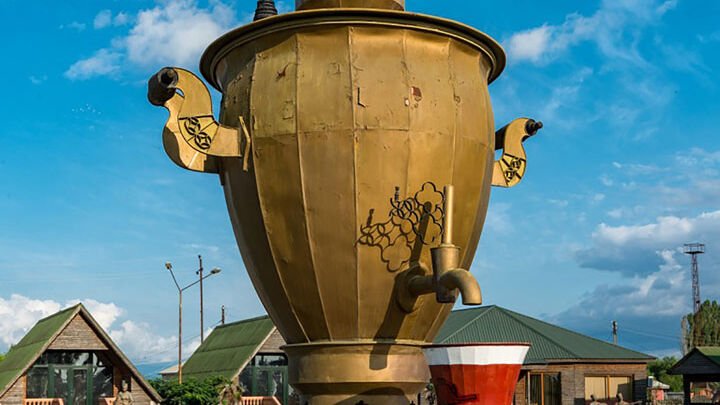
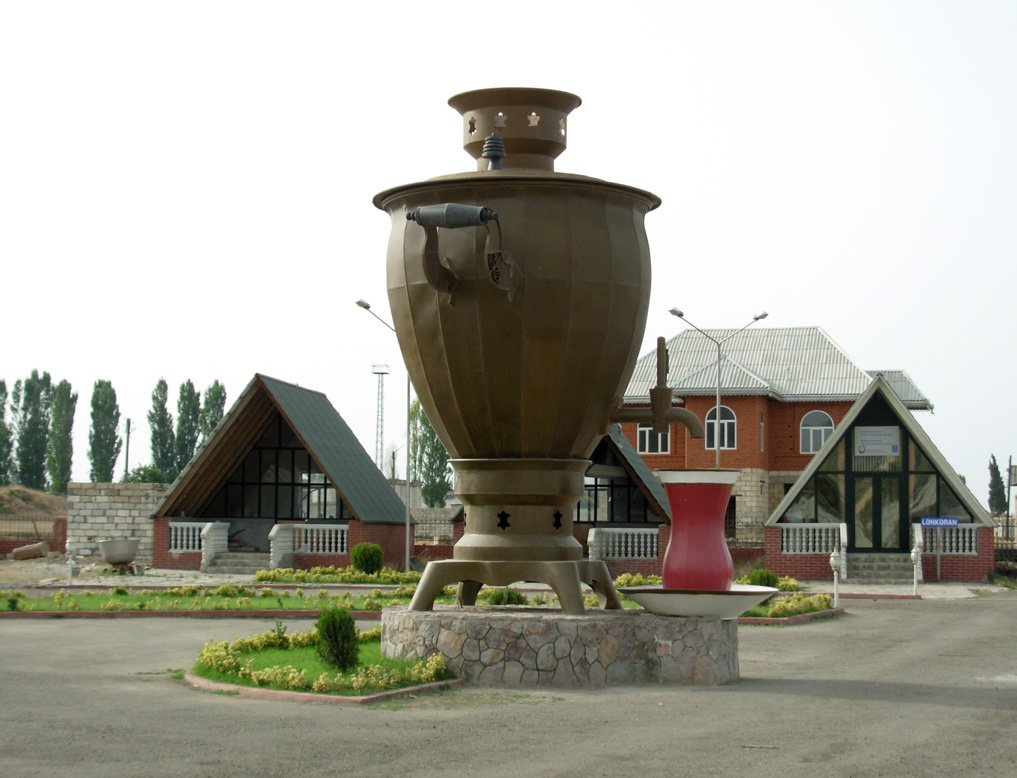
The composition is located near one of the city’s main roads and includes a large metal samovar together with an armudu glass — the traditional pear-shaped Azerbaijani tea glass.
For local residents, this image feels completely natural. In Lankaran, tea is much more than a drink. It is closely connected with hospitality, conversation, family gatherings, and everyday social life.
In many homes across southern Azerbaijan, tea drinking still remains an important tradition. Tea is commonly served with lemon, jam, sweets, or local fruits, and the process itself is rarely rushed. Instead, it is associated with long conversations, calm evenings, and the slower rhythm of life that defines Lankaran so strongly.
The history of tea culture in the region is deeply connected to the natural environment of southern Azerbaijan.
Lankaran’s mild and humid climate turned out to be ideal for tea cultivation. During the twentieth century, tea plantations and Azerbaijani tea production began developing actively here, gradually turning the region into the country’s main tea-producing area.
Over time, Lankaran tea became known far beyond the region itself. For many people in Azerbaijan, it is still associated with traditional hospitality and home tea gatherings. That is one of the reasons why the samovar eventually became one of the city’s main symbols. The monument itself was installed in 2006 and quickly became one of the most recognizable places in Lankaran. Unlike traditional monuments dedicated to political figures or historical events, the Samovar Circle reflects something much more everyday and personal — the lifestyle and cultural atmosphere of the region itself.
Because of this, the landmark feels authentic not only to visitors but also to local residents.
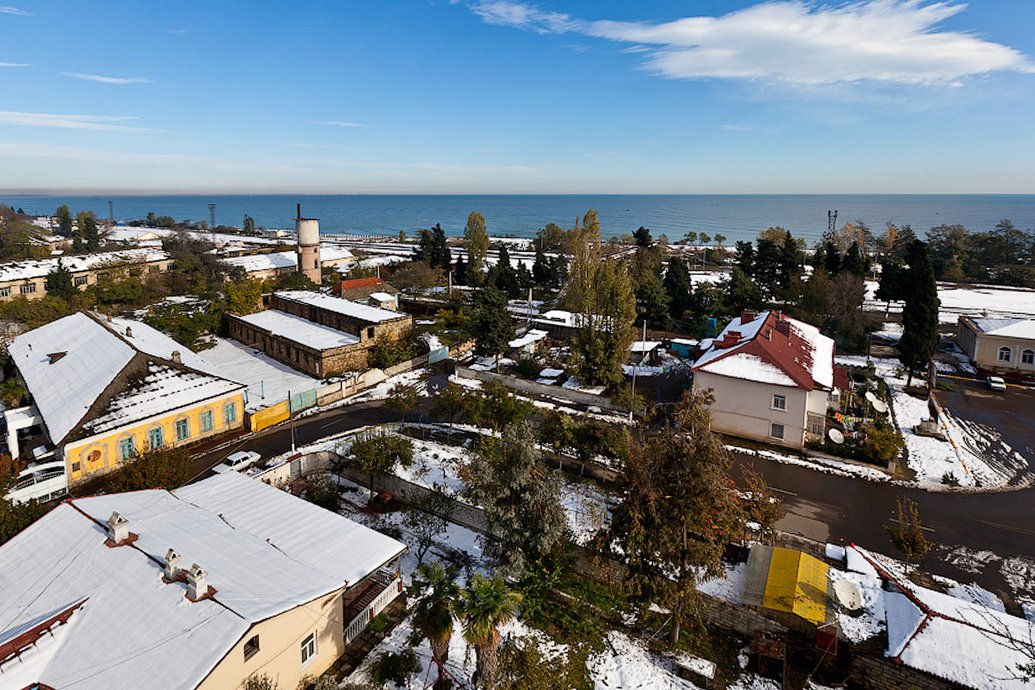
The Samovar Circle becomes especially atmospheric in the evening. The humid air from the Caspian coast, subtropical greenery, warm climate, and city lights create a completely different feeling from Baku or the northern parts of Azerbaijan.
Lankaran itself feels different from many other regions of the country. There is less rush, more greenery, and a much stronger connection to traditional ways of life. Even the small streets, tea houses, and local markets create the feeling of a separate southern world within Azerbaijan.
Over time, the Samovar Circle has become more than just a city landmark. Today, it represents the tea culture of southern Azerbaijan and reflects the traditions, climate, hospitality, and slower rhythm of life that define Lankaran.
For many visitors, this giant samovar becomes the first introduction to a side of Azerbaijan that feels quieter, greener, and deeply connected to its cultural traditions.
Comments (0)
Leave a Comment