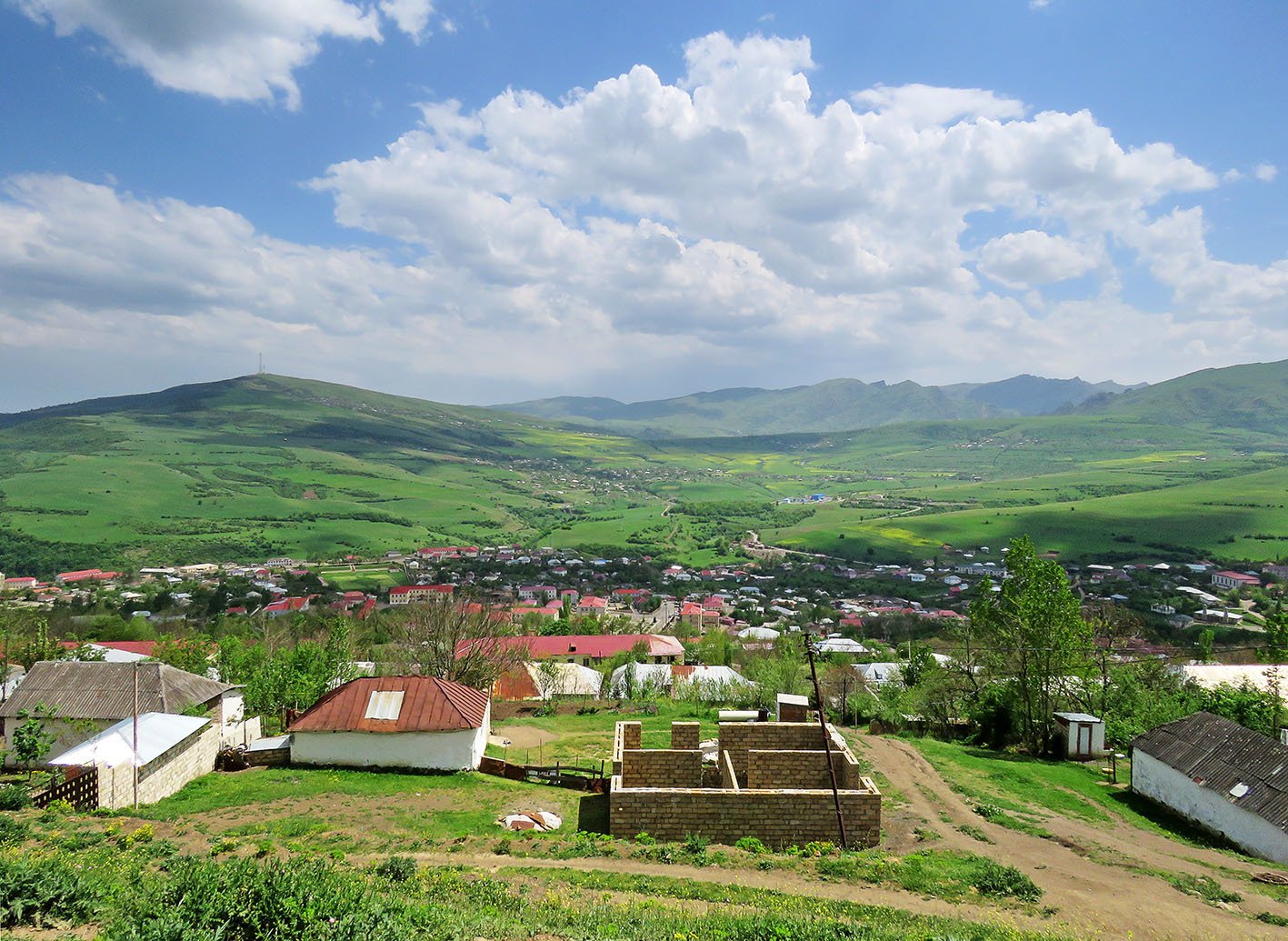
In southern Azerbaijan, where the Caspian Sea meets the green slopes of the Talysh Mountains, life moves at a different pace. There are no towering skyscrapers, busy boulevards, or crowded city streets. Instead, visitors find winding rural roads, tea plantations, ancient forests, and small villages where traditions have been preserved for generations.
This part of the country is known as the historical Talysh region, an area famous for its unique culture, rich natural landscapes, and distinctive way of life. While many travelers begin their journey through southern Azerbaijan in Lankaran, the true character of the region often reveals itself beyond the city limits, in the villages scattered among the mountains and valleys.
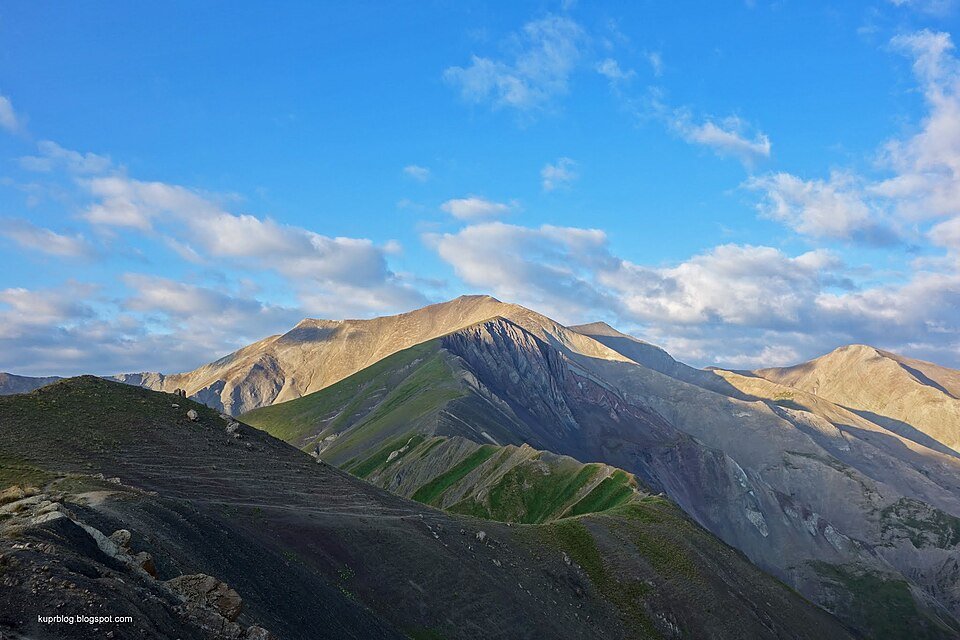
The road through southern Azerbaijan passes across the districts of Lankaran, Astara, Lerik, Masalli, and Yardimli. As travelers move away from the Caspian coast, the scenery gradually changes. Tea fields give way to dense forests, and the forests eventually lead to mountain villages perched on the slopes of the Talysh Mountains. Many of these settlements have existed for centuries and continue to maintain traditional customs and lifestyles.
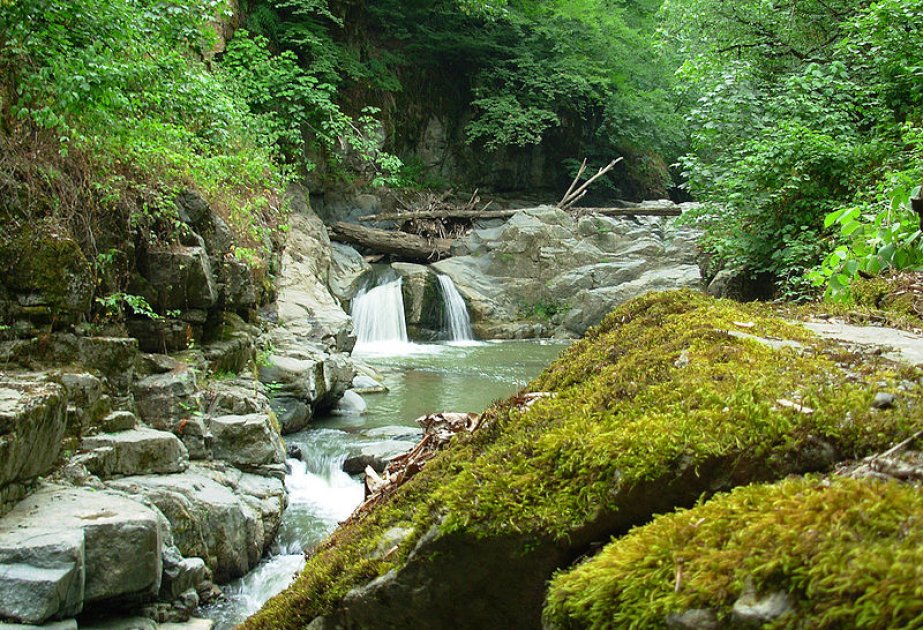
Nature is one of the defining features of the region. Southern Azerbaijan enjoys a humid subtropical climate unlike most other parts of the country. This environment supports lush vegetation, including oak, chestnut, ironwood, and many other species that are rarely found elsewhere in the Caucasus. Nearby lies the famous Hirkan Forest, one of the oldest forest ecosystems in the world and home to plant species that survived from prehistoric times.
Life in the Talysh villages remains closely connected to the surrounding landscape. Many local families continue to engage in farming, beekeeping, tea cultivation, and the production of citrus fruits. Traditional village houses, often featuring wide verandas designed for the humid climate, can still be seen throughout the region.
Hospitality plays a central role in local culture. Visitors are often welcomed with a glass of strong Azerbaijani tea, homemade preserves, and long conversations. Tea is much more than a beverage here—it is an important part of daily life and social traditions. It is largely thanks to this tea culture that Lankaran and southern Azerbaijan have become associated with some of the country's most cherished traditions.
The local cuisine is equally distinctive. Many recipes have been passed down through generations and reflect the agricultural richness of the region. Meals often feature fresh herbs, locally grown vegetables, rice, fish from the Caspian Sea, and aromatic spices. The cuisine of southern Azerbaijan differs noticeably from that of other regions, offering flavors and cooking traditions shaped by geography and history.
Traveling through the Talysh villages is rarely about checking famous landmarks off a list. The appeal lies in the atmosphere itself. Visitors come to experience a quieter side of Azerbaijan, where mountain roads disappear into forests, morning mist settles over the valleys, and everyday life follows rhythms that have changed little over time.
For travelers seeking authentic cultural experiences, the Talysh region offers a different perspective on Azerbaijan. It is a place where nature, tradition, and community remain deeply connected, creating an experience that feels increasingly rare in the modern world.
As more destinations become shaped by mass tourism, the villages of the Talysh Mountains continue to preserve their unique identity. For many visitors, exploring this green corner of Azerbaijan becomes one of the most memorable parts of their journey through the country.
test
test
Comments (0)
Leave a Comment