There is one thing in Azerbaijan you can never really prepare for. Not the sea, not the mountains, not even the old streets of Baku. It’s the people.
Almost everyone who visits for the first time ends up telling the same kind of story. They asked for directions — and were not just shown the way, but personally walked there. They stopped to buy fruit — and were offered half the stall to taste. They mentioned they liked Azerbaijani tea — and ten minutes later, they were sitting at someone’s table.
Hospitality here is not considered something special. For many Azerbaijanis, it is simply a natural part of life. It’s how their parents lived, how their grandparents lived. There is a quiet belief: a guest never comes by accident.
Why You Can’t Leave Hungry
If you are invited into an Azerbaijani home, saying you are not hungry usually doesn’t work.
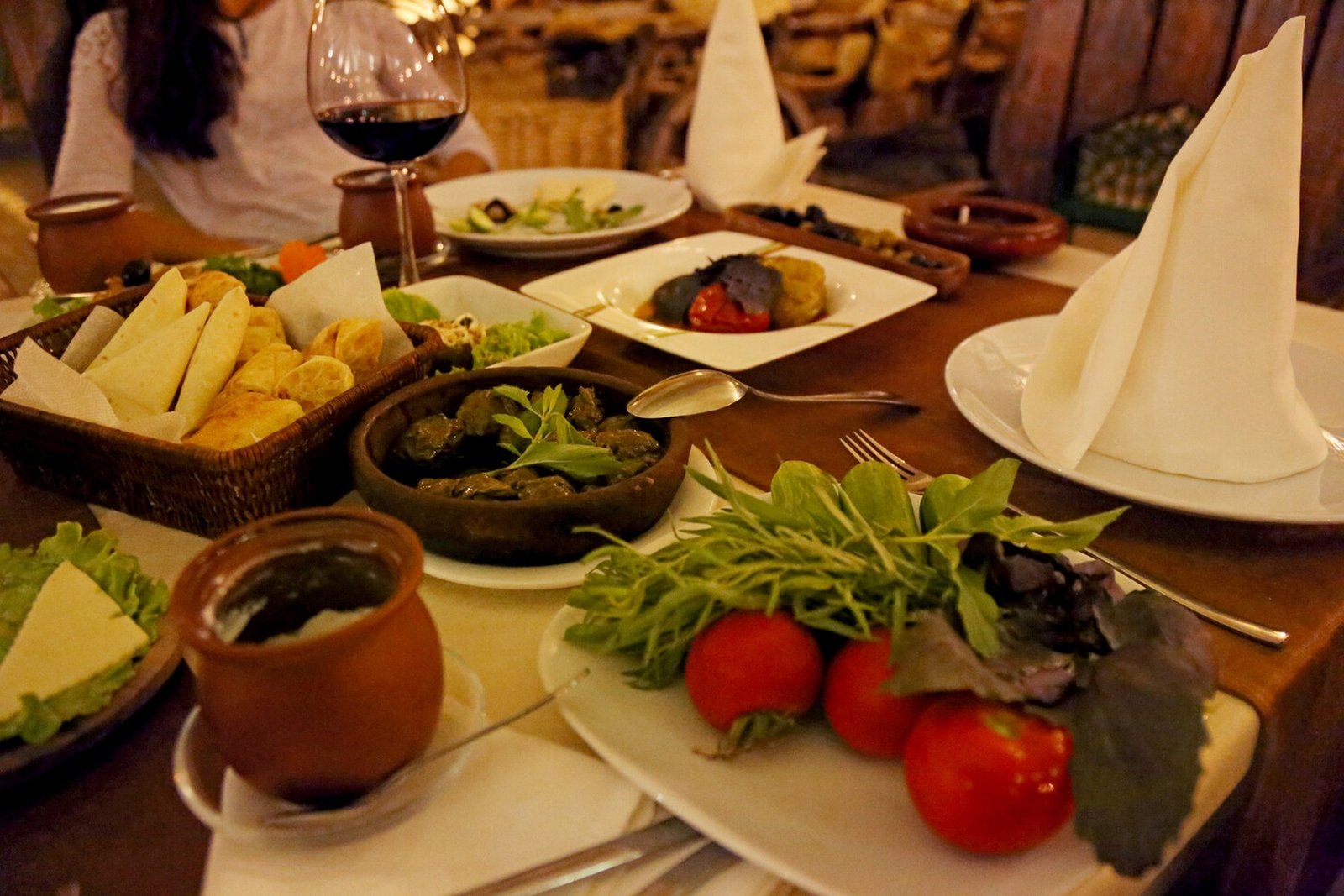
First comes tea. Then jam, sweets, nuts, fruit. And before you realize it, someone says, “Wait, you haven’t eaten anything yet,” — and suddenly the table is full of qutab, dolma, plov, kebabs and more.
Refusing is difficult — not because anyone insists, but because for the host it truly matters that you feel taken care of. In Azerbaijan, care is almost always expressed through food.
There is an old saying: “A guest brings happiness to the home.”
Tea Comes Before Conversation
In many countries, people talk first and then offer tea. In Azerbaijan, it’s the opposite.
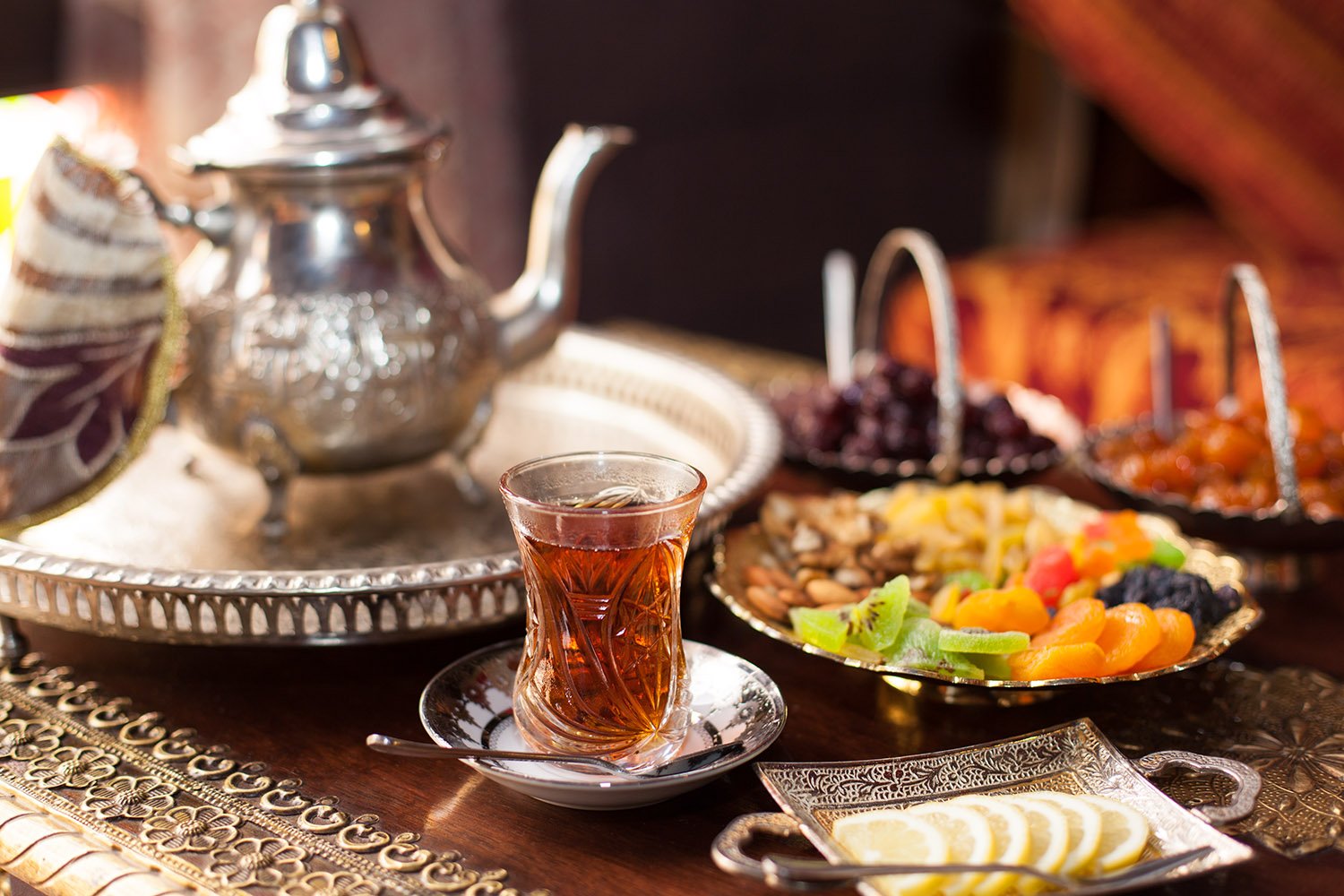
If you stay somewhere for more than a few minutes — whether in a home, a shop, or even on the street — chances are a glass of tea in a traditional armudu glass will appear in front of you.
Tea here means more than a drink. It means you are welcome. It means no one is in a hurry.
Sometimes people sit for hours over a single glass of tea, talking about life, family, the past — and only later remembering why they met in the first place.
Why You Might Be Invited Home After Five Minutes
This surprises many visitors the most.
In Azerbaijan, it is completely normal to meet someone and almost immediately hear:
“Come to our home.”
Sometimes it is just politeness. But very often, it is genuine.
In smaller towns and villages — like Sheki, Gabala, Lankaran or Guba — you might be invited for tea, for dinner, or even to stay the night if it’s late.
For locals, this is not unusual. In fact, not offering help or an invitation would feel strange.
The Most Generous People Are Not Always the Richest
Some of the warmest travel memories are not from luxury hotels or restaurants, but from simple homes where hosts bring everything they have to the table.
Fresh bread, cheese, tomatoes, tea, homemade jam — and still they may say, “Sorry, there’s nothing here.”
In Azerbaijan, generosity is rarely about wealth. Often, those who have less give more.
That is why travelers remember not places, but people — the taxi driver who refused payment, the market vendor who gave extra fruit, the stranger who brought tea when you looked cold.
Hospitality Is Not Only About Guests
There is something else people quickly notice.
In Azerbaijan, care extends beyond the home. Someone will help carry a bag. Someone will stop to explain directions. Someone will offer a seat to an elderly person or a child.
Sometimes it feels old-fashioned. Sometimes a bit too insistent. But almost always, it comes from the same place — the desire to make someone else feel comfortable.
Why It Stays With You
You may forget the name of a restaurant or the price of a museum ticket. But you rarely forget how people treated you.
That’s why, after visiting Azerbaijan, many people don’t just talk about the Caspian Sea or the mountains.
They say:
“There were very kind people there.”
And that, perhaps, is what Azerbaijani hospitality truly means.
Comments (0)
Leave a Comment