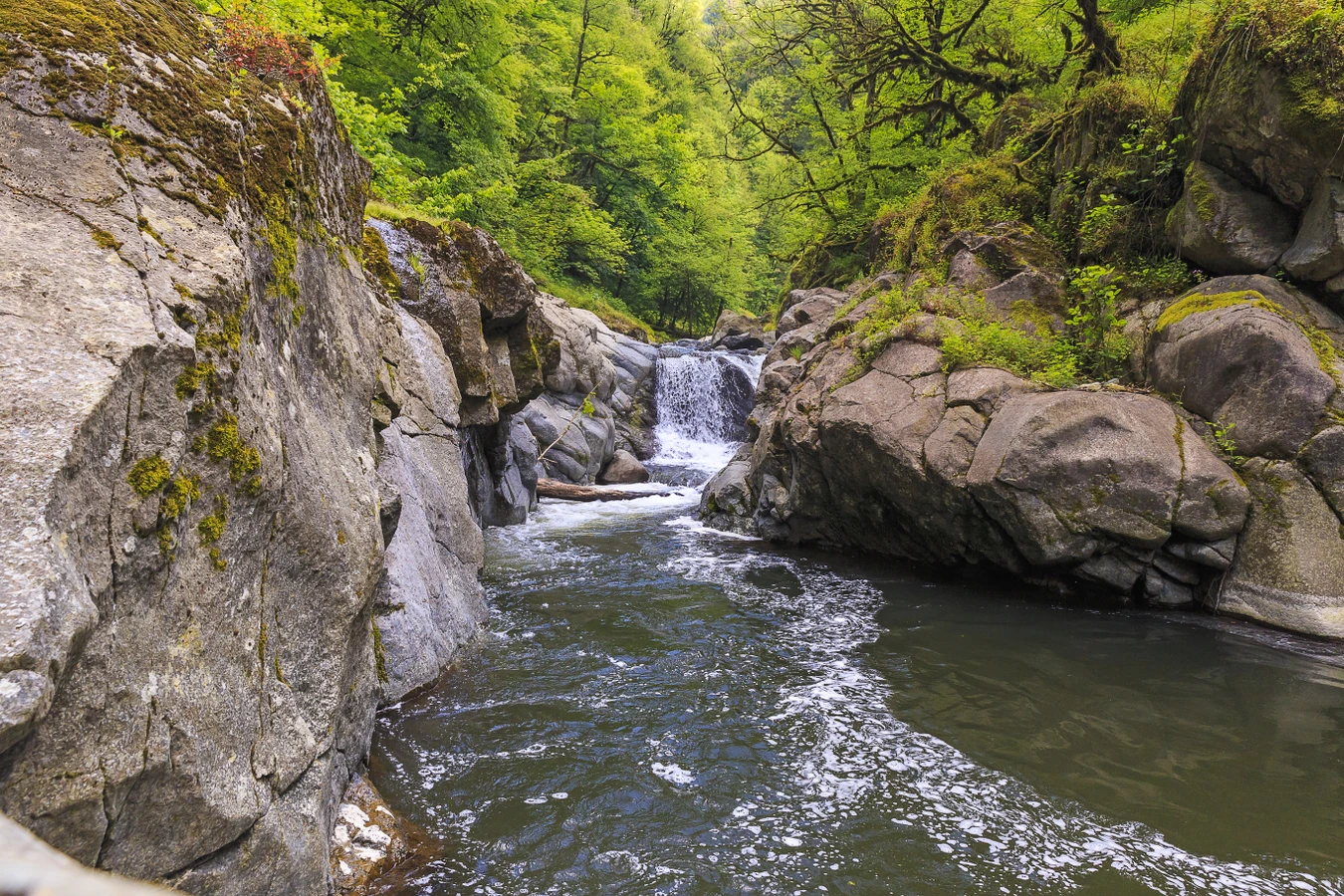
If you ever decide to leave Baku not just for a quick trip, but to truly feel the country, the road will eventually take you south. At first, everything feels familiar — highways, cars, roadside cafés. But slowly, something changes. The air becomes warmer and heavier, filled with humidity. The greenery grows deeper, richer, almost unreal.
That’s when Lankaran begins.
This is not a city that tries to impress at first glance. There are no polished facades or perfectly curated tourist routes. Instead, it offers something far more valuable — a sense of real, unfiltered life that doesn’t adapt itself to visitors.
The streets feel like they are part of a living garden. Trees don’t just grow here — they surround you, stretch above you, create shade and soften the light. In many yards, you’ll see grapevines hanging low, fruit trees bending under their weight, and behind every fence there are voices, laughter, everyday life unfolding.
Morning doesn’t start suddenly in Lankaran. It opens slowly, like the day itself is in no hurry. A window opens somewhere, a table appears in the yard, tea is poured into traditional glasses. There is fresh bread, homemade jam, simple food that somehow tastes better here. The air still carries a bit of night coolness mixed with warmth and moisture.
And no one is rushing.
Tea here is not just a drink — it is a language. You might be invited for tea after asking something as simple as directions. Within minutes, you are sitting, listening to stories that begin with “things used to be different” and slowly turn into conversations about life, family, time.
In moments like these, you understand that travel is not only about places, but about people.
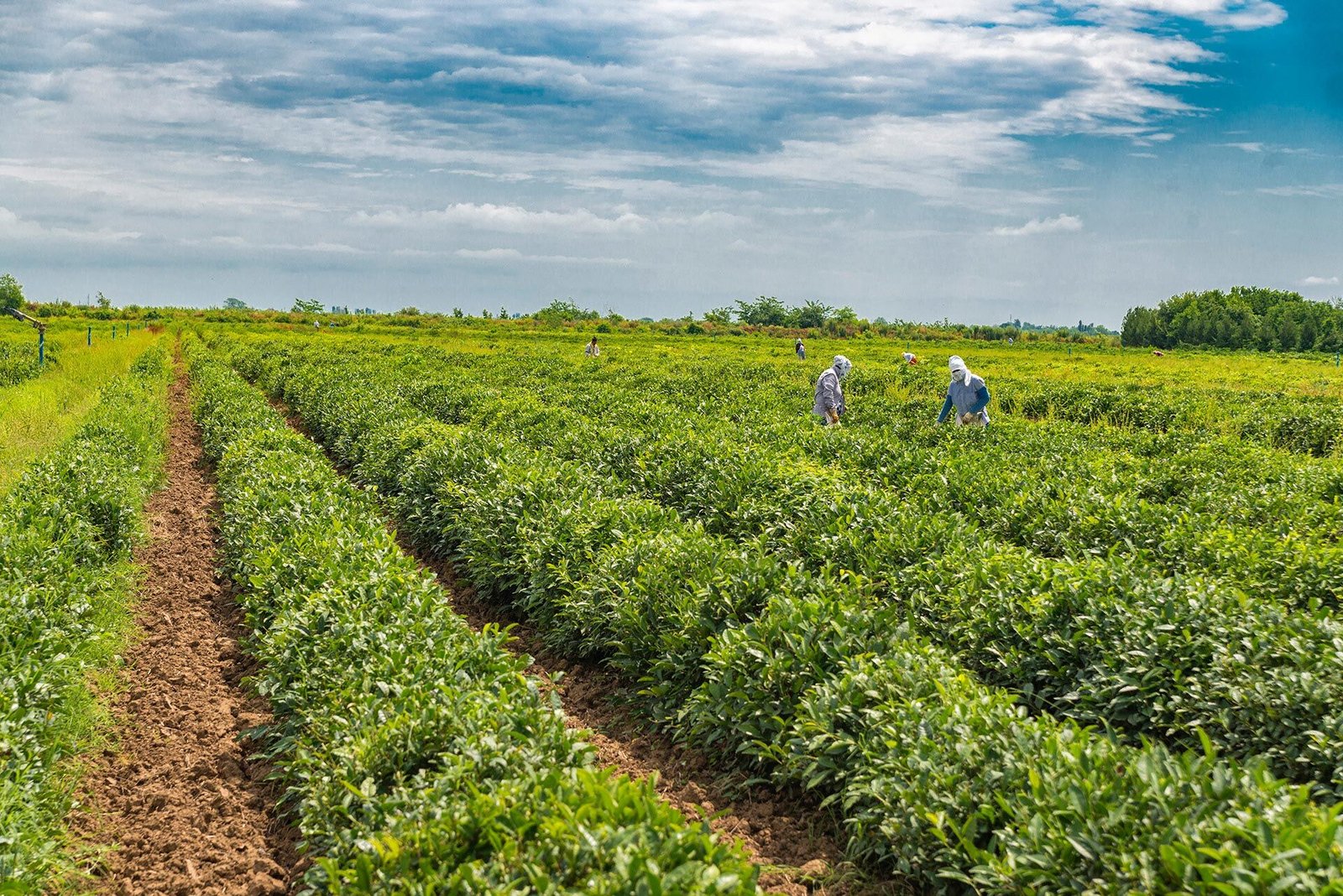
A short drive outside the city reveals another side of the region. Tea plantations stretch into the distance in perfectly ordered lines. In the summer, they glow with deep green tones, moving gently with the wind like waves. The silence here is striking. You can hear footsteps, leaves, distant voices.
Further still lies Hyrcanian National Park — a place where time feels completely different. This ancient forest has existed for millions of years. The trees are taller, denser, older than anything around them. Light filters through the leaves softly, almost as if the forest itself is protecting something.
Walking here feels less like a hike and more like entering something timeless.
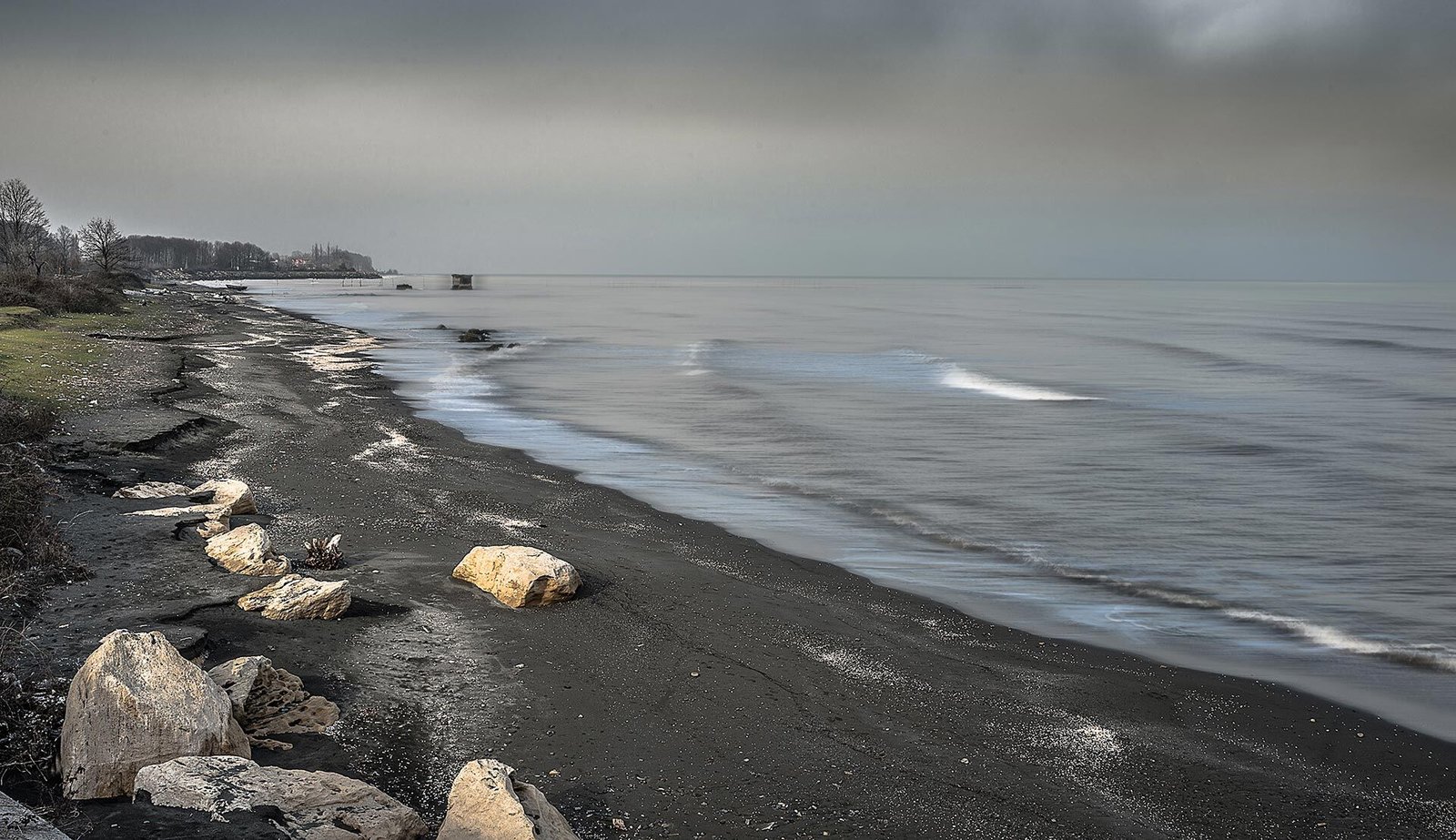
The Caspian coast near Lankaran is another quiet surprise. It is nothing like the busy beaches near Baku. There are fewer people, more space, more silence. Waves come and go without urgency. Sometimes you can walk for a long time without seeing anyone at all.
It’s not a beach for entertainment. It’s a place for stillness.
Food in Lankaran tells its own story. It is not about presentation or trends. It is simple, but deeply flavorful. Tomatoes taste sweeter, herbs more fragrant, fish fresher. Meals are served slowly, generously, as if time itself is part of the recipe.
Sometimes a host will place more food on the table than you could possibly eat — and still apologize that “there’s nothing special.” That is the essence of hospitality here: not to impress, but to care.
But what stays with you the most are the people.
Conversations happen easily. Someone might stop just to talk. Someone else may offer help without being asked. There is no performance in it — just a natural way of treating others.
And at some point, you stop feeling like a tourist.
Evenings in Lankaran feel softer. The light fades, but the warmth remains. People gather outside, tea appears again, voices fill the air. Somewhere there is music, somewhere just quiet conversation.
You sit, listen, look around — and suddenly realize you haven’t checked your phone, haven’t thought about time, haven’t been in a hurry for hours.
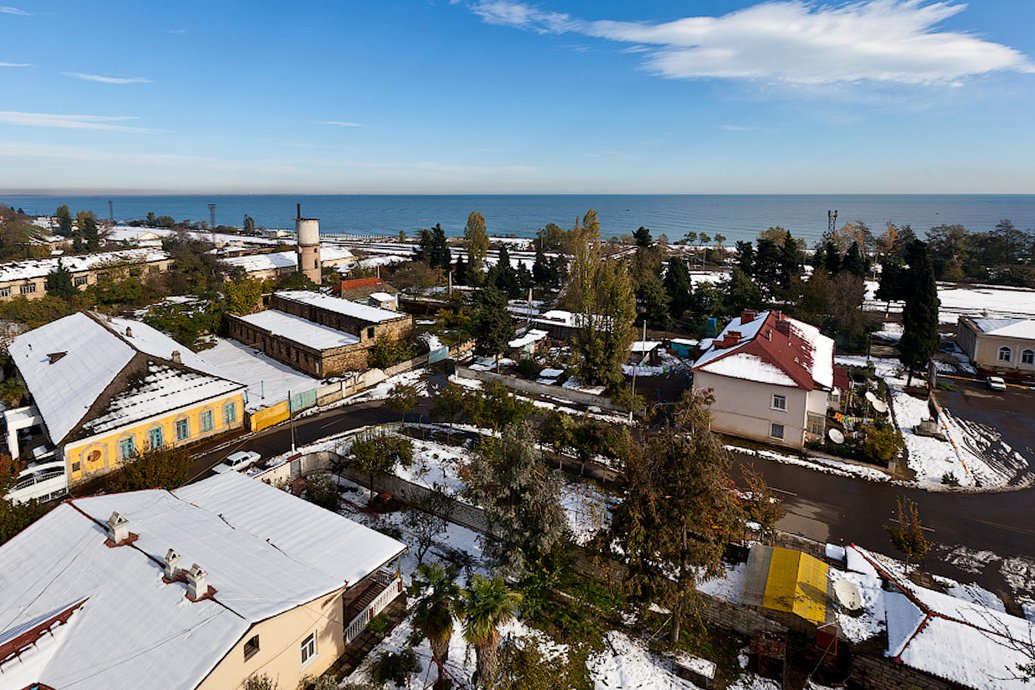
Lankaran doesn’t try to impress you with landmarks. It stays with you through something else entirely — a feeling you can’t fully explain.
And when you return to Baku, it may seem like nothing extraordinary happened.
But later, you remember the air, the tea, the silence, the conversations.
And you understand — these are the places that stay with you the longest.
Comments (0)
Leave a Comment