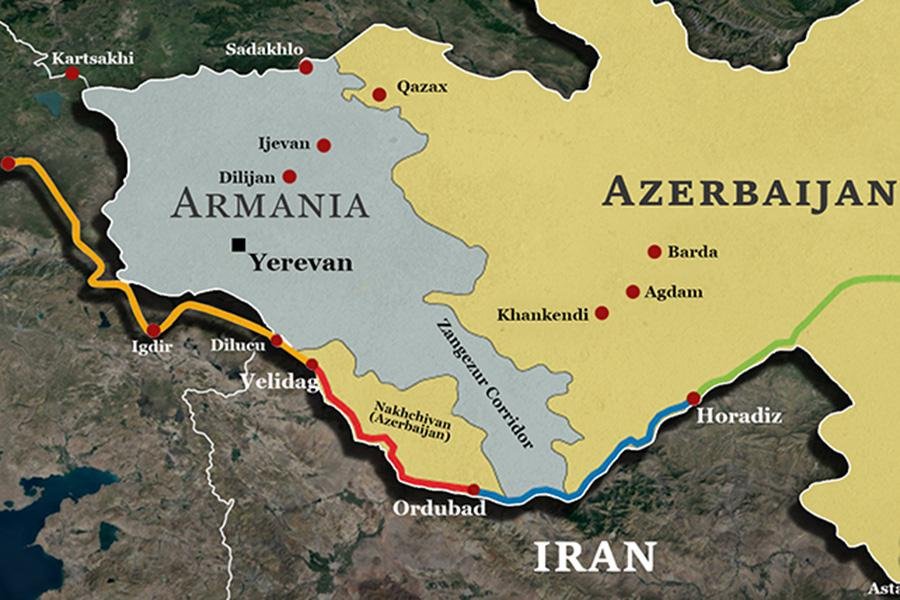
The Zangezur Corridor is a transport link planned to connect mainland Azerbaijan with the Nakhchivan Autonomous Republic through southern Armenia. For Azerbaijan this is a question not only of logistics but of everyday geography: Nakhchivan is separated from the rest of the country by a strip of Armenian territory about thirty kilometers wide. For a traveller, the main question is simpler: will the road to Nakhchivan, and onward to Turkey, become faster and easier? This article explains what is known about the project today and what opportunities it may open for tourism. We separate confirmed facts from forecasts.
Historical Background
In Soviet times, railway lines connected Nakhchivan with the rest of the country through Armenian territory. After the collapse of the USSR and the start of the conflict in the early 1990s, these links were cut, and Nakhchivan was in effect cut off from mainland Azerbaijan by land. Since then, residents and visitors have mainly reached the region by air or through neighbouring countries.
The idea of restoring the connection returned after the ceasefire agreement of 9 November 2020. Article 9 of that document speaks of unblocking all economic and transport links in the region. However, the sides read its wording differently: Azerbaijan and Turkey speak of a “Zangezur corridor,” while Armenia rejects any scheme with extraterritorial control and offers its own “Crossroads of Peace” concept.
Current Status of the Project
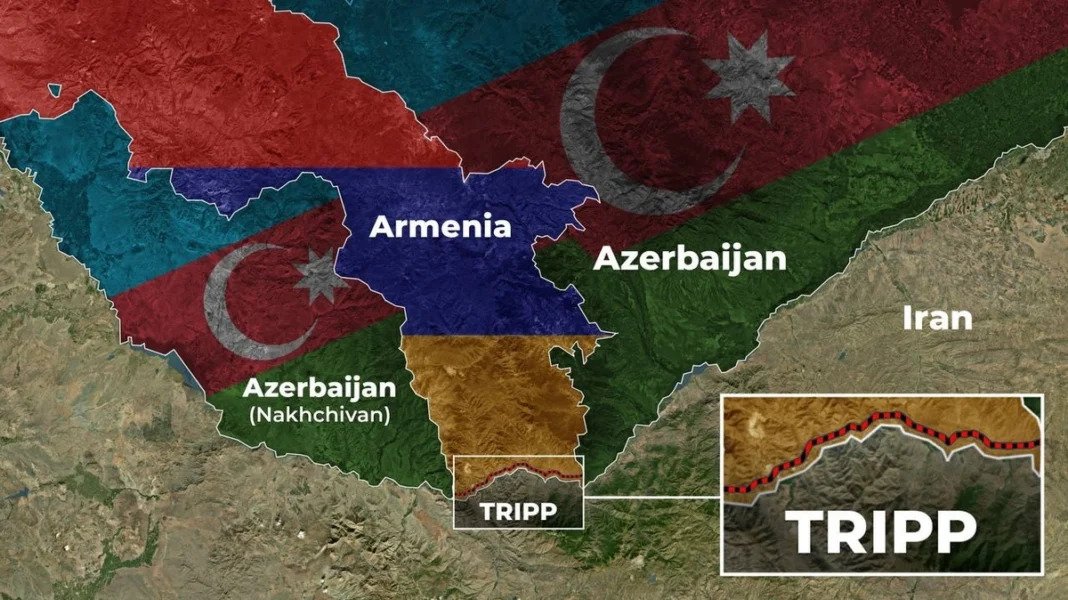
A key turning point came in August 2025, when documents signed in Washington led to the creation of the TRIPP route (the Trump Route for International Peace and Prosperity). About 43 km long, it is to run through Armenian territory and connect Azerbaijan with Nakhchivan. The route operates under Armenian law, and Armenia keeps sovereignty over the territory. The plan covers not only a railway but also a road, pipelines, fiber-optic lines and possibly power lines.
According to a statement by the President of Azerbaijan in August 2026, work on Azerbaijani territory is moving actively, and the main part of the route there should be completed in 2027. A railway from Baku to the Armenian border (about 400 km) is being built, with about 194 km of it in Nakhchivan. Construction on the Armenian section, about 42 km, will begin, according to the same statement, in late 2026 or early 2027. For now, this means a through route should not be expected soon: travellers are better off following the news and relying on official announcements.
Political and Economic Aspects
The project matters beyond geography. It fits into the wider idea of the “Middle Corridor,” a trade route between Asia and Europe across the Caspian Sea and the South Caucasus. For Azerbaijan it is a chance to strengthen its role as a transit country, and for the region a chance for new investment and jobs, especially in logistics and trade.
At the same time, the terms are not fully clear and the positions of the sides differ. Armenia stresses sovereignty and reciprocity, while Russia and Iran have criticized the US role. Any forecasts should therefore be read as possibilities, not guarantees. This caution matters for a travel reader too: final dates, border-crossing rules and transport fares have not yet been announced.
Tourism Opportunities
If the project is completed, its effect on travel could be noticeable. The most obvious change is a direct route between mainland Azerbaijan and Nakhchivan without switching to a plane or going around through other countries. For those interested in the history, nature and ancient monuments of the region, this could make a trip simpler and cheaper.
Along the new transport lines there may be more opportunities to get to know lesser-known corners of the region: mountain areas, rivers, lakes and rural settlements. These places have potential for ecotourism and outdoor activities, but it is potential only: ready-made tourist routes and infrastructure do not exist there yet. It is also possible that a flow of travellers will affect services, accommodation and local crafts, giving small businesses room to grow.
For those planning a trip now, the most practical choice is to rely on current ways of reaching Nakhchivan, such as air service, and to follow official announcements about the launch of new routes.
What Travellers Should Keep in Mind
- Timing: construction on the Armenian section is not due to begin before late 2026, and no through connection is open yet.
- Entry and border-crossing rules for tourists have not been announced.
- Do not plan a trip around a route that does not exist yet.
- Follow news from official transport authorities and tourism organizations.
The Zangezur Corridor is first of all a transport and geopolitical project, and only then a tourism one. Its real effect on tourism will depend on completion dates, border-crossing conditions and the development of services along the route. If a link between mainland Azerbaijan and Nakhchivan starts working, it may make travel across the region simpler and open less-known corners to visitors. For now, however, it is a prospect, not a ready tourist product.
FAQ
What is the Zangezur Corridor?
A planned transport link between mainland Azerbaijan and Nakhchivan through southern Armenia. Azerbaijan and Turkey use the name “Zangezur Corridor.” The route agreed in August 2025 is called TRIPP.
When will the Zangezur Corridor open?
There is no exact date. According to the President of Azerbaijan, construction on the Armenian section will begin in late 2026 or early 2027, and the main part of the route in Azerbaijan will be ready in 2027.
How do you get from Baku to Nakhchivan now?
Most often by air. Check schedules and rules with carriers.
Will the corridor affect tourism?
It may, if the project is carried out: trips to Nakhchivan could become easier. For now, that is a forecast, not a fact.
Comments (0)
Leave a Comment